Robots Get Cheaper, Premium Becomes the Battleground
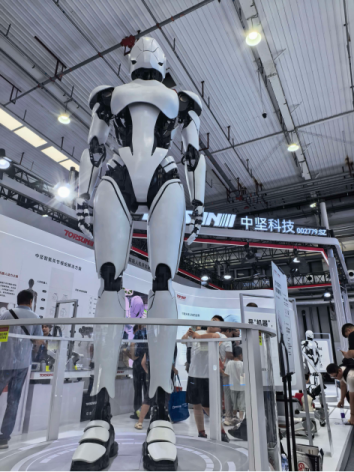
💡Humanoid prices are collapsing; this analysis explains why safety, data, and customer mindshare may define the next robo
⚡ 30-Second TL;DR
What Changed
Average humanoid robot selling prices reportedly fell from 600,000 yuan in 2023 to 166,400 yuan in 2025.
Why It Matters
The article suggests that falling component costs may make low-price competition unsustainable, pushing robotics companies toward differentiated service models. Premium household robotics could become a new market, but success depends more on reliable deployment and compelling workflows than on humanoid hardware demonstrations.
What To Do Next
Prototype one measurable household workflow—such as fall detection with alerts—and benchmark its task success and failure recovery across varied home environments.
Key Points
- •Average humanoid robot selling prices reportedly fell from 600,000 yuan in 2023 to 166,400 yuan in 2025.
- •桦之坚 is targeting a 'butler' robot for visitor reception, family companionship, instruction execution, and home security.
- •The proposed premium moat combines system-level safety and service, in-house software-hardware integration, and customer mindshare.
- •The strategy still faces weak generalization, scarce training data, and the challenge of creating a must-have consumer use case.
Weekly AI Recap
Read this week's curated digest of top AI events →
👉Related Updates


AI-curated news aggregator. All content rights belong to original publishers.
Original source: 虎嗅 ↗
This is a summary, not the original. Read the source, or get the weekly briefing.
Weekly AI briefing
One email a week. Unsubscribe anytime.