ChatGPT 推出青少年專用版本
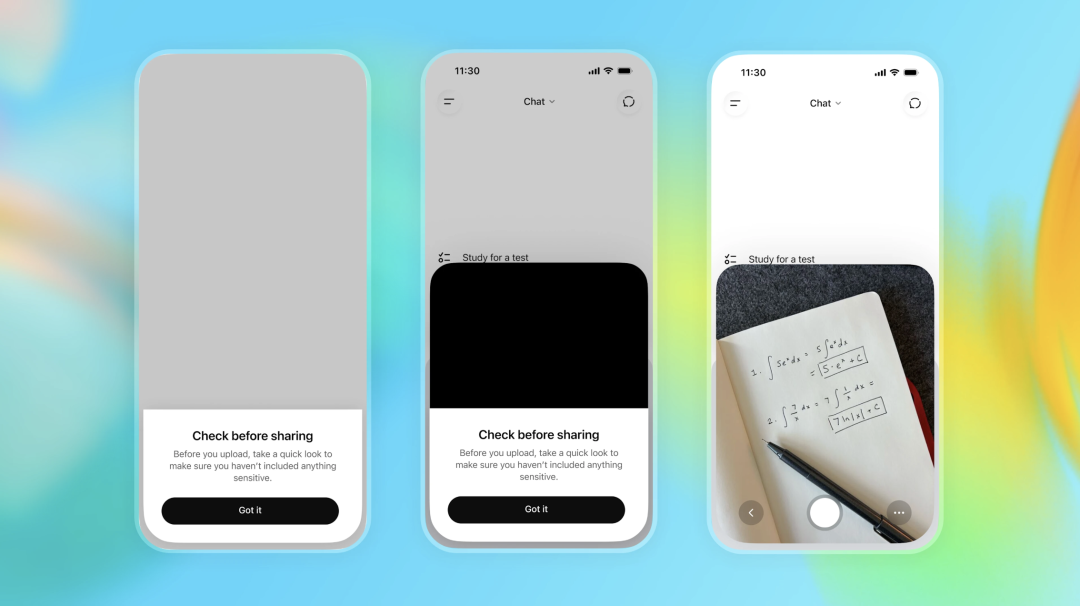
💡Teen AI use is moving beyond homework; this analysis highlights product risks around identity, emotional support, and co
⚡ 30-Second TL;DR
What Changed
Users who register as 13 to 17 are automatically placed into a youth-oriented ChatGPT version.
Why It Matters
AI products for minors will need stronger safeguards around emotional dependency, identity labeling, privacy, and age-appropriate guidance. For builders, the article suggests that optimizing for fluent, reassuring responses may create developmental risks when users are still forming their self-concepts.
What To Do Next
Run red-team evaluations on your chatbot's minor-user safety layer, specifically testing emotional-support, identity-labeling, privacy, and dependency scenarios for ages 13–17.
Key Points
- •Users who register as 13 to 17 are automatically placed into a youth-oriented ChatGPT version.
- •A 2026 ACM study found that teenagers often delegate wording, tone, and self-presentation to chatbots without necessarily sharing their deepest private feelings.
- •The article frames this behavior as cognitive outsourcing, which may reduce the reflective friction involved in forming language and identity.
- •Research cited in the article reports that about 12% of U.S. teens have sought emotional support or life advice from AI, while 59% of active Character.AI teen users create characters.
Weekly AI Recap
Read this week's curated digest of top AI events →
👉Related Updates

AI-curated news aggregator. All content rights belong to original publishers.
Original source: 虎嗅 ↗
This is a summary, not the original. Read the source, or get the weekly briefing.
Weekly AI briefing
One email a week. Unsubscribe anytime.