Investigation reveals millions of songs used for AI training

💡Understand the legal risks and data sourcing controversies surrounding generative AI music models.
⚡ 30-Second TL;DR
What Changed
Millions of songs utilized without explicit artist consent
Why It Matters
This investigation could trigger stricter data sourcing regulations and potential lawsuits, forcing AI companies to rethink their training data transparency.
What To Do Next
Audit your training data pipeline for copyright compliance and consider using licensed or synthetic datasets for future model training.
Key Points
- •Millions of songs utilized without explicit artist consent
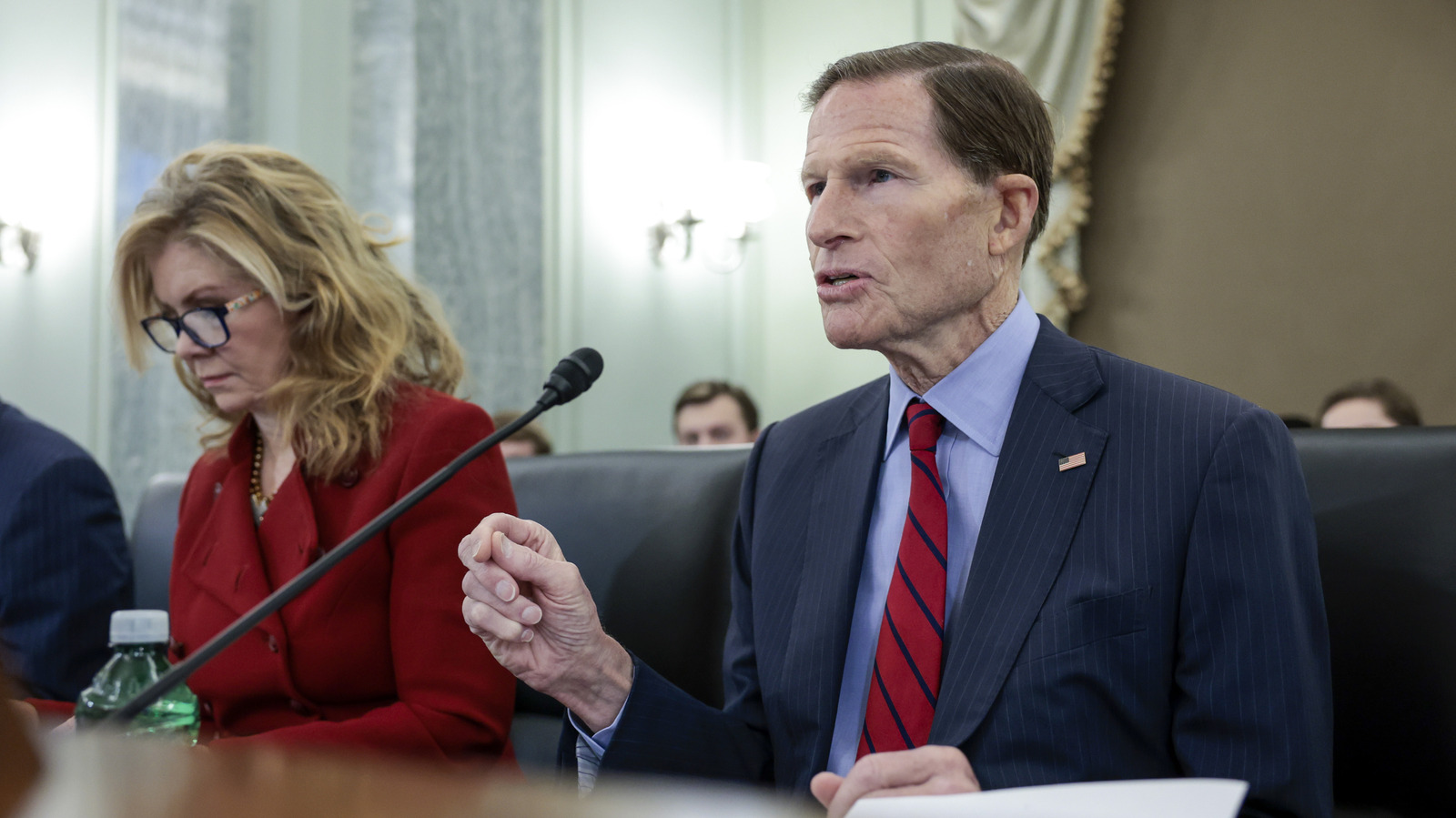
- •High-profile artists like Taylor Swift and Bad Bunny are affected
- •Highlights ongoing legal and ethical tensions in AI data sourcing
🧠 Deep Insight
Background and context from public sources — not the original article. 22 sources cited.
🔑 Enhanced Key Takeaways
- •Major record labels, including Universal Music Group, Sony Music Entertainment, and Warner Music Group (via RIAA), have initiated lawsuits against AI music generation companies like Suno and Udio, alleging mass copyright infringement for using their catalogs to train AI models.
- •Some major labels, specifically Universal Music Group and Warner Music Group, have begun settling their lawsuits with AI firms such as Udio and Suno, leading to the formation of licensing partnerships and plans for new AI music platforms that will operate with authorized and licensed music.
- •The American Federation of Musicians (AFM) has filed a lawsuit against Universal Music Group and Warner Music Group, contending that these labels licensed their members' recorded music to AI companies without providing compensation or credit, thereby violating 'new use' provisions in their collective bargaining agreements.
- •Independent artists have also pursued legal action, filing class-action lawsuits against AI music generators like Suno and Udio, claiming their copyrighted works were used without permission for training, with some allegations including 'stream-ripping' from platforms like YouTube.
- •The legal defense of 'fair use' by AI companies is facing increasing scrutiny in courts, which are evaluating the economic impact of AI training on existing and potential licensing markets for copyrighted musical works.
🛠️ Technical Deep Dive
- AI music models are built using neural networks trained on extensive datasets of music.
- Training involves detailed data acquisition and preparation, including 'data labeling' where musical elements like genre, instruments, mood, chords, tempo, and structural components (verse, chorus) are tagged to help the AI understand musical nuances.
- Due to the high data density of audio (e.g., CD-quality audio has 44,100 data points per second), neural audio codecs, such as EnCodec, are employed to compress audio into discrete tokens, making the data manageable for neural network training.
- Two primary approaches for music generation include autoregressive transformers, which predict musical notes sequentially for coherence, and diffusion models, which refine noise into coherent musical structures for high audio quality.
- Notable AI music models have been trained on vast amounts of data; for instance, Google's MusicLM reportedly used 280,000 hours of music, Meta's MusicGen utilized over 20,000 high-quality tracks, and Stability AI's Stable Audio was trained on more than 19,500 hours of audio clips.
- High-performance computing resources, such as the NVIDIA DGX-2, have been instrumental in accelerating the preprocessing of datasets and the training of language models for AI music composition, using datasets like Lakh MIDI and MetaMIDI.
🔮 Future ImplicationsAI analysis grounded in cited sources
⏳ Timeline
📎 Sources (22)
Factual claims are grounded in the sources below. Forward-looking analysis is AI-generated interpretation.
Weekly AI Recap
Read this week's curated digest of top AI events →
👉Related Updates
AI-curated news aggregator. All content rights belong to original publishers.
Original source: Engadget ↗
This is a summary, not the original. Read the source, or get the weekly briefing.
Weekly AI briefing
One email a week. Unsubscribe anytime.