Crucial Accused of Breaking DDR5 Replacement Promise
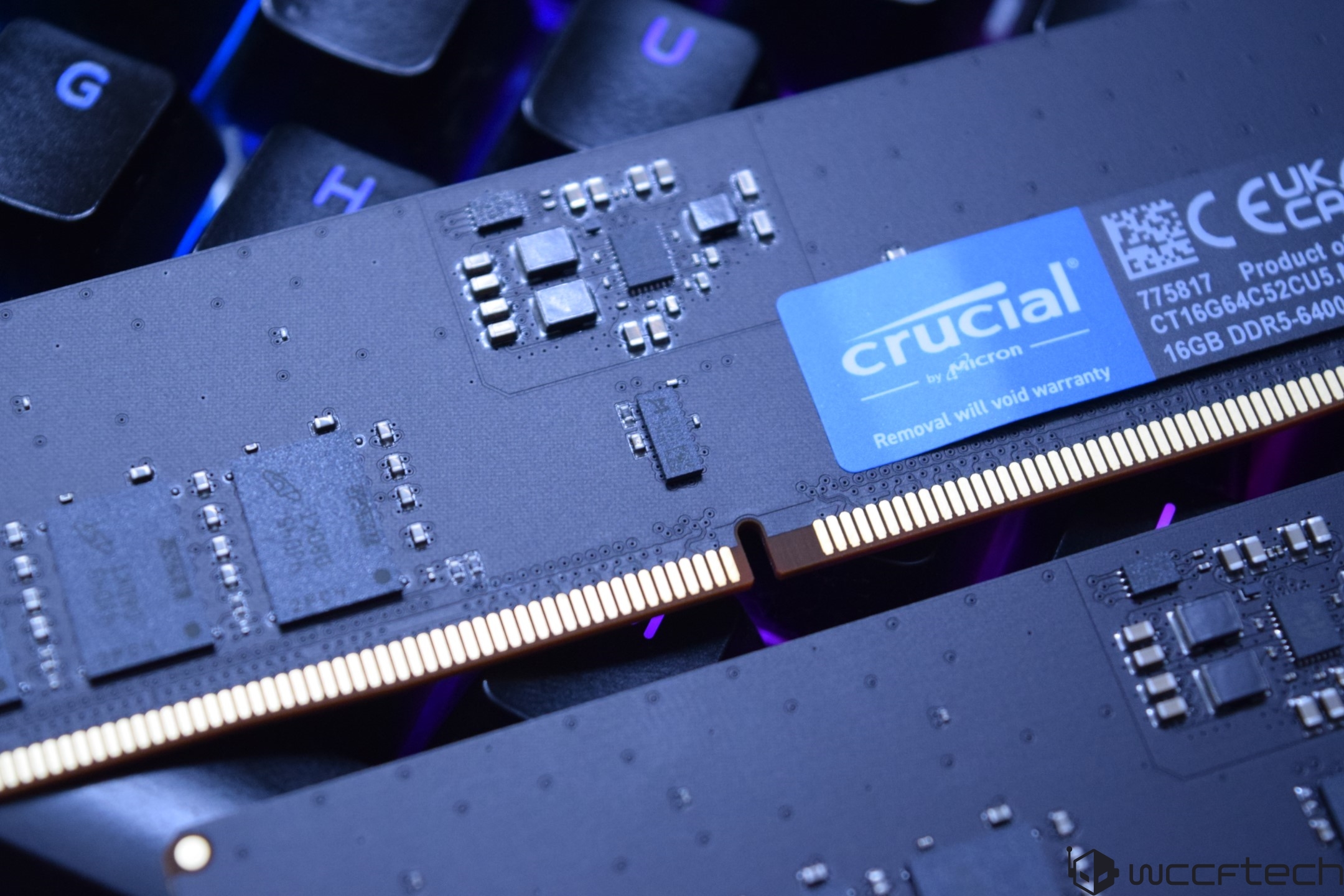
💡A DDR5 warranty dispute shows why AI infrastructure teams should verify replacement policies before deployment.
⚡ 30-Second TL;DR
What Changed
Crucial reportedly agreed to replace a user’s defective DDR5 memory.
Why It Matters
For AI practitioners building workstations or small inference servers, unreliable memory support can increase downtime and replacement costs. The allegations also highlight the need to evaluate vendor warranty terms and component provenance when sourcing memory for AI infrastructure.
What To Do Next
Before deploying Crucial DDR5 in an AI workstation or inference server, document module serial numbers and confirm the replacement process and return policy with the vendor in writing.
Key Points
- •Crucial reportedly agreed to replace a user’s defective DDR5 memory.
- •The company allegedly later refused to send a replacement product.
- •Users claim returned defective parts were not sent back.
- •The reported resolution was limited to a refund at the original purchase price.
🧠 Deep Insight
AI-generated analysis for this event.
🔑 Enhanced Key Takeaways
- •The controversy centers on Micron's 'Limited Lifetime Warranty' policy, which users argue grants the company excessive discretion to choose between repair, replacement, or refund.
- •Reports indicate that the issue is particularly prevalent with high-frequency DDR5 kits, where Micron may be experiencing inventory shortages or supply chain shifts toward newer memory generations.
- •Consumer advocacy groups have pointed out that refunding at the original purchase price disadvantages customers who would now have to pay a premium to purchase equivalent DDR5 specifications due to market price fluctuations.
- •Legal experts suggest that while Micron's terms of service likely protect them from breach of contract claims, the practice may violate consumer protection laws in jurisdictions like the EU or California regarding 'bait-and-switch' warranty fulfillment.
- •Social media sentiment analysis shows a significant decline in brand loyalty among PC enthusiasts, with many users citing this specific warranty handling as a reason to switch to competitors like G.Skill or Corsair.
📊 Competitor Analysis▸ Show
| Feature | Crucial (Micron) | Corsair | G.Skill | Kingston |
|---|---|---|---|---|
| Warranty Policy | Discretionary (Refund/Replace) | Generally Replacement-focused | Replacement-focused | Replacement-focused |
| DDR5 Market Position | Value/Mainstream | Enthusiast/Premium | Enthusiast/Overclocking | Enterprise/Mainstream |
| RMA Process | Often Refund-only for DDR5 | Standard Replacement | Standard Replacement | Standard Replacement |
🛠️ Technical Deep Dive
- DDR5 architecture utilizes on-DIMM Power Management Integrated Circuits (PMIC) which increases the complexity of failure analysis compared to DDR4.
- Micron's DDR5 modules often utilize proprietary 1α (1-alpha) or 1β (1-beta) process nodes, which may be subject to specific yield or stability issues in early production batches.
- The reported failures often involve XMP/EXPO profile instability, suggesting potential degradation of the DRAM cells or the on-die ECC (Error Correction Code) logic under high-voltage operation.
🔮 Future ImplicationsAI analysis grounded in cited sources
⏳ Timeline
Weekly AI Recap
Read this week's curated digest of top AI events →
👉Related Updates

AI-curated news aggregator. All content rights belong to original publishers.
Original source: cnBeta (Full RSS) ↗