Common Pesticides Alter Bumblebee Genetics and Pollination
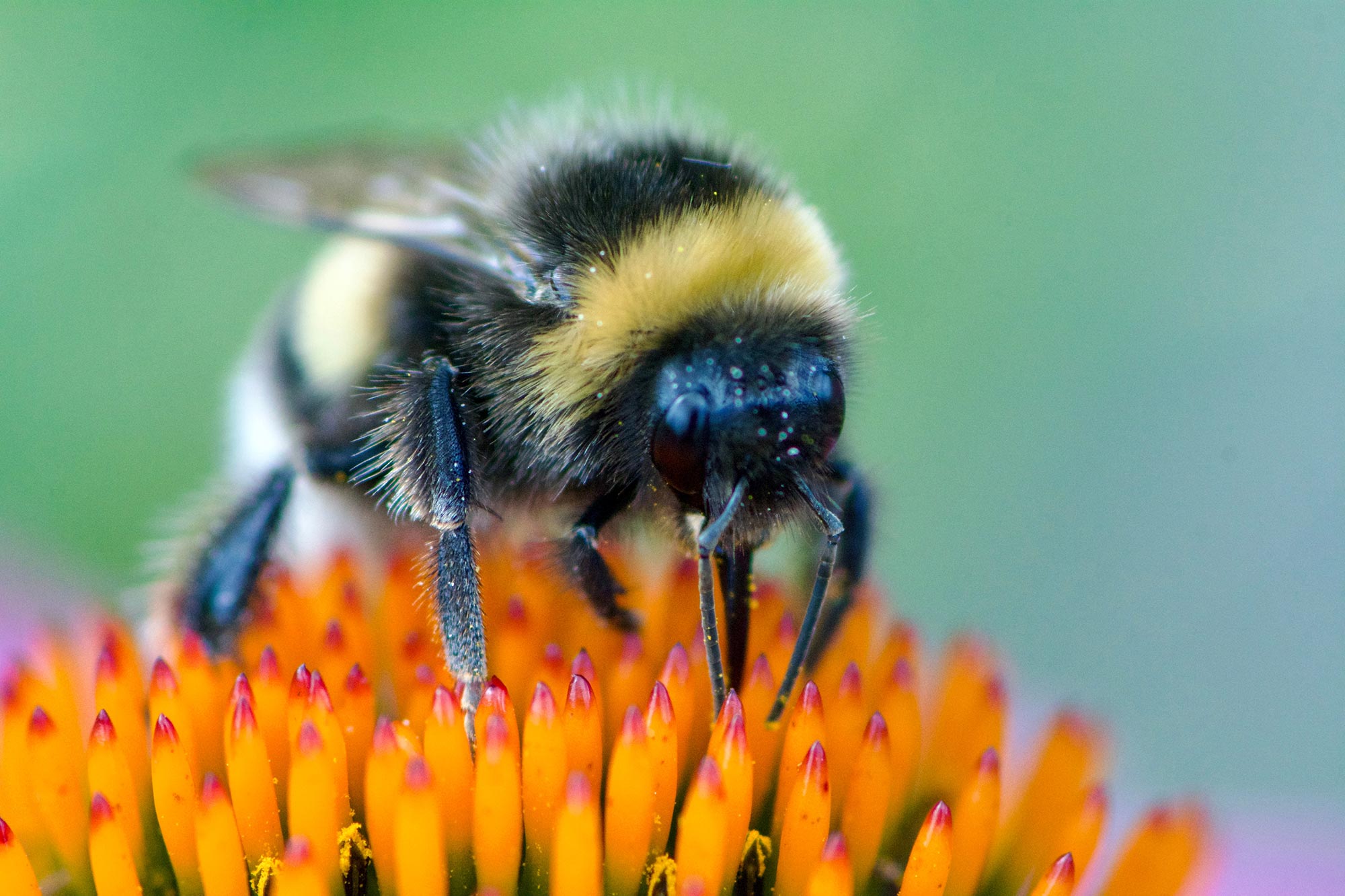
Understand environmental risks that could impact global food supply chains and agricultural AI applications.
30-Second TL;DR
What Changed
Pesticides cause molecular-level changes in bumblebee gene expression.
Why It Matters
While not directly AI-related, this research highlights the fragility of biological systems, which is increasingly relevant to bio-inspired robotics and environmental AI monitoring.
What To Do Next
If working on environmental AI monitoring, incorporate ecological impact data into your predictive models for agricultural sustainability.
Key Points
- •Pesticides cause molecular-level changes in bumblebee gene expression.
- •Reproductive capabilities of bumblebees are significantly impaired.
- •The findings suggest a long-term risk to global food security.
Deep Insight
AI-generated analysis for this event — not the original article.
Enhanced Key Takeaways
- •Research specifically identifies neonicotinoid pesticides, such as thiamethoxam and clothianidin, as primary drivers of epigenetic modifications in bumblebee (Bombus terrestris) populations.
- •The molecular mechanism involves DNA methylation changes, which disrupt the expression of genes responsible for caste determination and queen development.
- •Studies have observed a 'transgenerational effect' where exposure in one generation leads to reduced colony fitness and smaller queen size in subsequent generations.
- •Beyond reproductive impairment, these genetic alterations are linked to impaired foraging behavior and reduced sensitivity to floral cues, further destabilizing colony survival.
- •Regulatory bodies like the EFSA (European Food Safety Authority) have increasingly utilized these molecular biomarker findings to reassess the safety thresholds for systemic insecticides.
Technical Deep Dive
- Epigenetic Analysis: Researchers utilize Bisulfite Sequencing (BS-Seq) to map DNA methylation patterns across the bumblebee genome.
- Gene Expression Profiling: RNA-Seq (Transcriptomics) is employed to quantify differential gene expression in the fat body and brain tissues of exposed bees.
- Biomarker Identification: Identification of specific differentially methylated regions (DMRs) that correlate with reduced ovary development and altered vitellogenin protein production.
- Behavioral Assays: Automated tracking systems (RFID tagging) are used to correlate molecular genetic changes with real-world foraging efficiency and homing success.
Future ImplicationsAI analysis grounded in cited sources
Timeline
- 2018-04EU implements a near-total ban on three major neonicotinoids for outdoor use due to pollinator risks.
- 2021-09Publication of foundational studies linking neonicotinoid exposure to altered DNA methylation in social insects.
- 2023-11Large-scale field studies confirm the link between chronic low-dose pesticide exposure and reduced queen production in bumblebee colonies.
- 2025-02Development of standardized molecular biomarkers for assessing pesticide-induced epigenetic stress in pollinators.
Weekly AI Recap
Read this week's curated digest of top AI events →
Related Updates

AI-curated news aggregator. All content rights belong to original publishers.
Original source: cnBeta (Full RSS) ↗
This is a summary, not the original. Read the source, or get the weekly briefing.
The weekly digest
One email a week. Unsubscribe anytime.