AI Compute Sparks an Electronic Cloth Boom
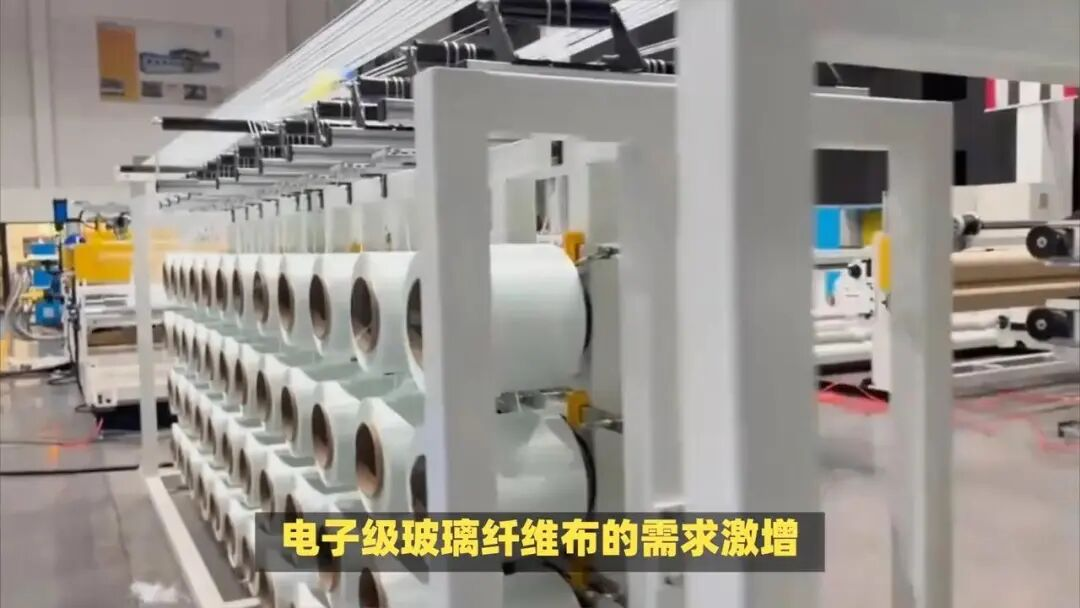
💡AI servers are turning low-dielectric PCB materials into a supply-chain bottleneck—and a possible domestic-substitution
⚡ 30-Second TL;DR
What Changed
Ordinary high-dielectric E-cloth such as 7628, 2116, and 1080 is experiencing cyclical price gains caused partly by capacity being redirected to higher-end products.
Why It Matters
AI server growth is creating a materials bottleneck upstream of PCBs and copper-clad laminates. Suppliers that only benefit from ordinary E-cloth price increases may see profits normalize, while qualified low-dielectric suppliers could gain durable positions in the AI hardware supply chain.
What To Do Next
For AI hardware projects, request low-dielectric cloth samples and qualification data from China Jushi, Sinoma Science & Technology, or Honghe Technology before locking your PCB material roadmap.
Key Points
- •Ordinary high-dielectric E-cloth such as 7628, 2116, and 1080 is experiencing cyclical price gains caused partly by capacity being redirected to higher-end products.
- •Low-dielectric specialty cloth is needed for high-frequency, high-speed AI server signal transmission because conventional FR-4 materials face performance limits.
- •Domestic suppliers still face major barriers in formulation, advanced weaving equipment, stable mass production, and lengthy customer certification.
- •China’s electronic-cloth production capacity is the world’s largest, with China Jushi alone holding about 23% global market share.
- •Chinese companies including China Jushi, Sinoma Science & Technology, Honghe Technology, and International Composites are progressing from samples toward small-batch validation.
Weekly AI Recap
Read this week's curated digest of top AI events →
👉Related Updates
AI-curated news aggregator. All content rights belong to original publishers.
Original source: 虎嗅 ↗
This is a summary, not the original. Read the source, or get the weekly briefing.
Weekly AI briefing
One email a week. Unsubscribe anytime.