AI’s Power Hunger Puts Batteries Center Stage
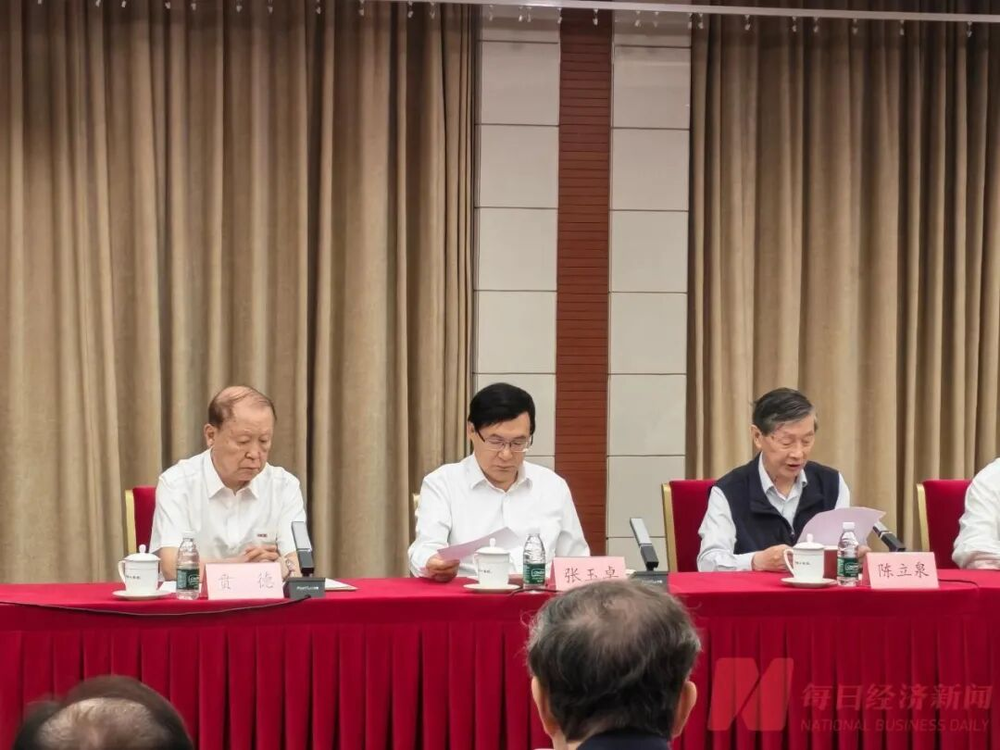
💡AI’s next bottleneck may be electricity, making battery chemistry a strategic concern for compute builders.
⚡ 30-Second TL;DR
What Changed
Chen Liquan says AI expansion will create additional electricity and energy-storage demand.
Why It Matters
For AI infrastructure planners, the interview highlights that compute expansion is also an energy and storage challenge. Data-center operators and AI founders may need to evaluate battery chemistry, grid resilience, and long-duration storage alongside GPU capacity.
What To Do Next
Add sodium-ion and solid-state storage scenarios to your AI data-center capacity model, comparing cost, safety, energy density, and backup duration against lithium-ion systems.
Key Points
- •Chen Liquan says AI expansion will create additional electricity and energy-storage demand.
- •Solid-state batteries remain the strategic core, with priorities including in-situ solidification, interface control, and cost reduction.
- •Sodium-ion batteries could reduce lithium-import risks and serve grid storage, backup power, and electric ships.
- •China’s battery leadership is attributed to sustained state investment and strong industry-research collaboration.
Weekly AI Recap
Read this week's curated digest of top AI events →
👉Related Updates

AI-curated news aggregator. All content rights belong to original publishers.
Original source: 虎嗅 ↗
This is a summary, not the original. Read the source, or get the weekly briefing.
Weekly AI briefing
One email a week. Unsubscribe anytime.