🔬
量化神話遇上風格反轉
量化私募在連續多年取得亮眼收益後,於7月遭遇大幅回撤,部分明星產品單月下跌超過20%。文章指出,規模膨脹與小市值、高波動、高成長風格暴露,可能放大策略在風格反轉時的損失。
Tag: #strategy220 results
量化私募在連續多年取得亮眼收益後,於7月遭遇大幅回撤,部分明星產品單月下跌超過20%。文章指出,規模膨脹與小市值、高波動、高成長風格暴露,可能放大策略在風格反轉時的損失。
Alexandr Wang, Chief AI Officer at Meta, shares insights on model development and infrastructure investment. The discussion highlights the competitive landscape and the strategies required to lead in AI.
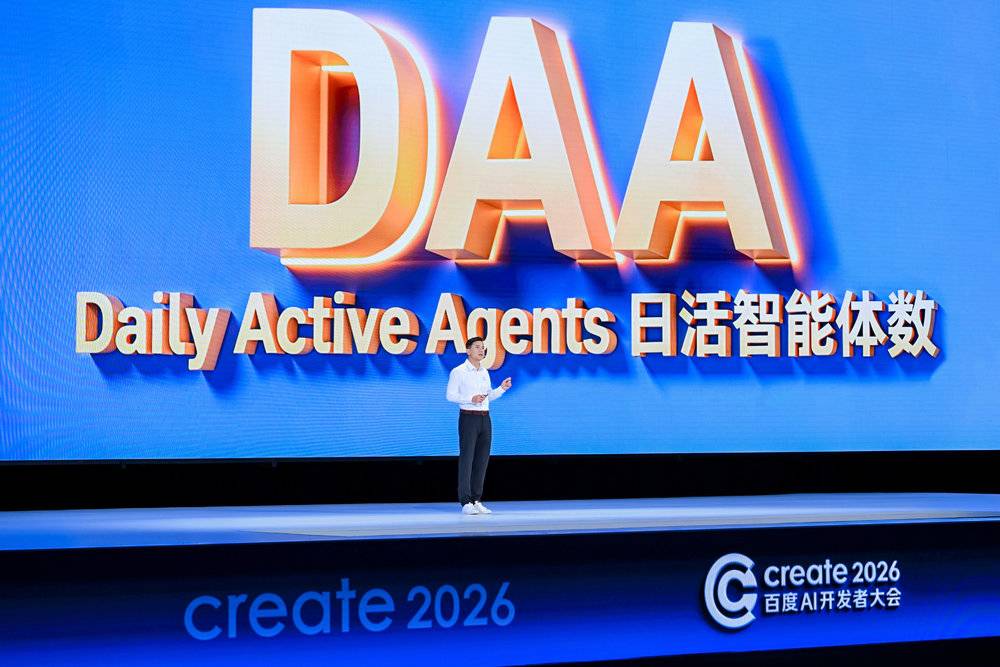
Baidu has officially shifted its strategic focus from raw model performance to the 'DAA' (Daily Active Agents) metric, emphasizing the importance of AI applications and agent-based infrastructure in the enterprise ecosystem.
Alibaba is increasingly focusing on investing in external AI companies to capture growth in the AI era. This strategy aims to leverage the broader AI ecosystem to maintain its competitive edge.
The core conflict in enterprise AI is not just token costs, but who owns the 'learning process'—the feedback, workflow, and context that allow models to improve. Companies must decide whether to outsource their organizational learning to model providers or maintain it via open-source or private infrastructure.
Many Chinese companies are finding that using Hong Kong IPOs to fuel global expansion is failing due to a lack of deep localization and geopolitical friction. Successful firms like BeiGene are shifting from 'Chinese companies' to globally integrated entities.

Meta is shifting its strategic focus from model-level development to infrastructure. This move reflects the broader industry trend where AI value is migrating toward the underlying compute and data center stack.

Meta CEO Mark Zuckerberg acknowledged in an internal meeting that the company's AI agent development has slowed down over the past four months. The current progress is failing to meet the aggressive internal targets set earlier this year.

DeepSeek is abandoning its 'Lean AI' strategy in favor of aggressive expansion. The company is launching a massive hiring spree to scale operations and move beyond algorithmic efficiency.
As Agentic AI systems become more autonomous, maintaining digital sovereignty is no longer optional. Businesses must prepare their infrastructure to handle the risks associated with autonomous agents.