The Crisis of 'HK IPO + Globalization' Narratives
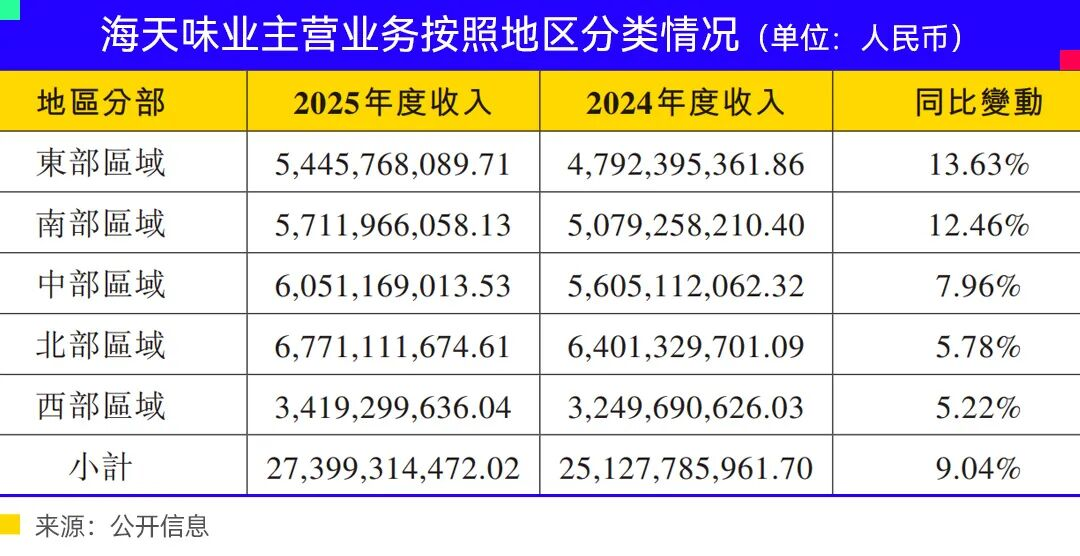
💡Critical analysis of why 'globalization' fails for tech firms and how to structure AI operations for international compl
⚡ 30-Second TL;DR
What Changed
IPO-funded international expansion often fails without deep adaptation to local culture, law, and regulation.
Why It Matters
AI companies aiming for global markets must prioritize local compliance and operational integration over simple capital-led expansion.
What To Do Next
If building AI for global markets, audit your data residency and compliance strategy against local regulations like GDPR or US data security laws.
Key Points
- •IPO-funded international expansion often fails without deep adaptation to local culture, law, and regulation.
- •Companies like BYTEDANCE (TikTok) and CATL face significant regulatory and operational hurdles in global markets.
- •Successful global firms are increasingly decoupling from their domestic identity to become globally integrated entities.
🧠 Deep Insight
AI-generated analysis for this event — not the original article.
🔑 Enhanced Key Takeaways
- •The 'HK IPO + Globalization' model is increasingly challenged by the 'de-risking' strategies of Western institutional investors who view Hong Kong-listed Chinese firms as high-risk due to potential US-China regulatory decoupling.
- •Recent data indicates that Chinese companies pursuing overseas listings are facing significantly higher compliance costs, often exceeding 15-20% of IPO proceeds, due to stringent ESG and data sovereignty audits required by international exchanges.
- •The 'BeiGene model' of global integration involves establishing R&D hubs in the US and Europe that operate with high autonomy, effectively separating their global clinical trial data governance from their Chinese domestic operations.
- •Geopolitical friction has led to a shift in capital flows, where Chinese firms are increasingly seeking secondary listings in Southeast Asian markets like Singapore to bypass the scrutiny faced in Hong Kong and Western markets.
- •New regulatory frameworks in the EU, such as the Corporate Sustainability Due Diligence Directive (CSDDD), are forcing Chinese firms to overhaul their supply chain transparency, rendering traditional 'export-led' growth strategies obsolete.
🔮 Future ImplicationsAI analysis grounded in cited sources
⏳ Timeline
Weekly AI Recap
Read this week's curated digest of top AI events →
👉Related Updates

AI-curated news aggregator. All content rights belong to original publishers.
Original source: 虎嗅 ↗
This is a summary, not the original. Read the source, or get the weekly briefing.
The weekly digest
One email a week. Unsubscribe anytime.