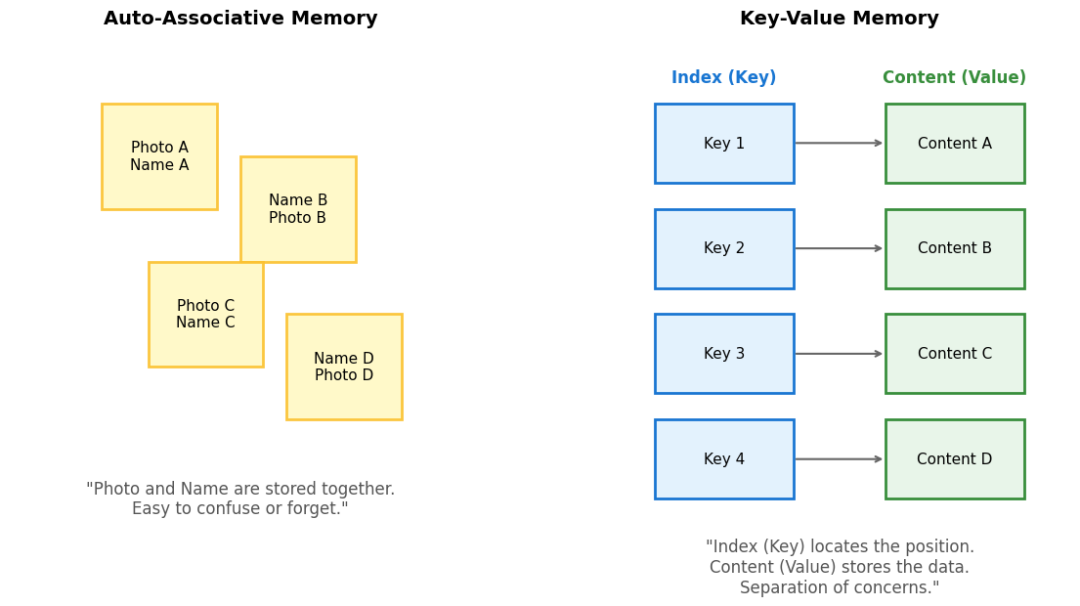
AI Key-Value Memory Mirrors Human Brain Logic
A 2025 Neuron study reveals that AI's key-value memory architecture shares a similar functional logic with the human brain, specifically the division of labor between the hippocampus and the neocortex.
Tag: #memory-architecture8 results
A 2025 Neuron study reveals that AI's key-value memory architecture shares a similar functional logic with the human brain, specifically the division of labor between the hippocampus and the neocortex.
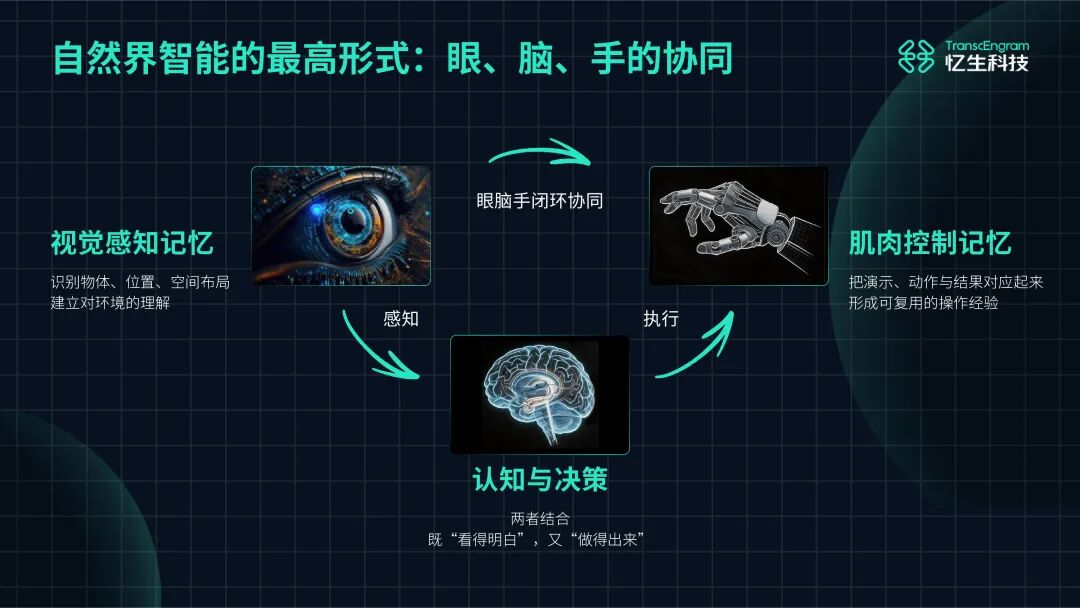
Founded by HKU professors, TranscEngram has raised hundreds of millions in angel funding to develop a 'brain + cerebellum' architecture for robots. The system focuses on 'perception-prediction-interaction' loops to enable autonomous, self-correcting embodied intelligence.

Anthropic accidentally leaked 59.8 MB of Claude Code's TypeScript source code via an npm package source map file. The 512,000-line codebase reveals innovative memory architecture to combat context entropy in AI agents. This $2.5B ARR product's IP exposure aids competitors like Cursor.
This article explores whether current AI memory systems are limited by focusing on static fact retrieval rather than dynamic pattern inference. It proposes that future architectures should evolve to model a user's reasoning style and explanatory frameworks.

The article explores how human memory structures can inform AI architecture, specifically challenging the notion of how memory is stored and retrieved. It suggests that memory can function as an independent layer rather than being deeply integrated into model weights.

This research explores how LLM agents develop shared languages in signaling games. It finds that memory architecture is more critical than channel capacity for reliable communication and convention formation.
This position paper argues that current LLMs rely on implicit statistical learning, which is insufficient for AGI. It proposes integrating hippocampal-inspired explicit memory systems to enable complex cognitive functions like long-term planning and symbolic reasoning.
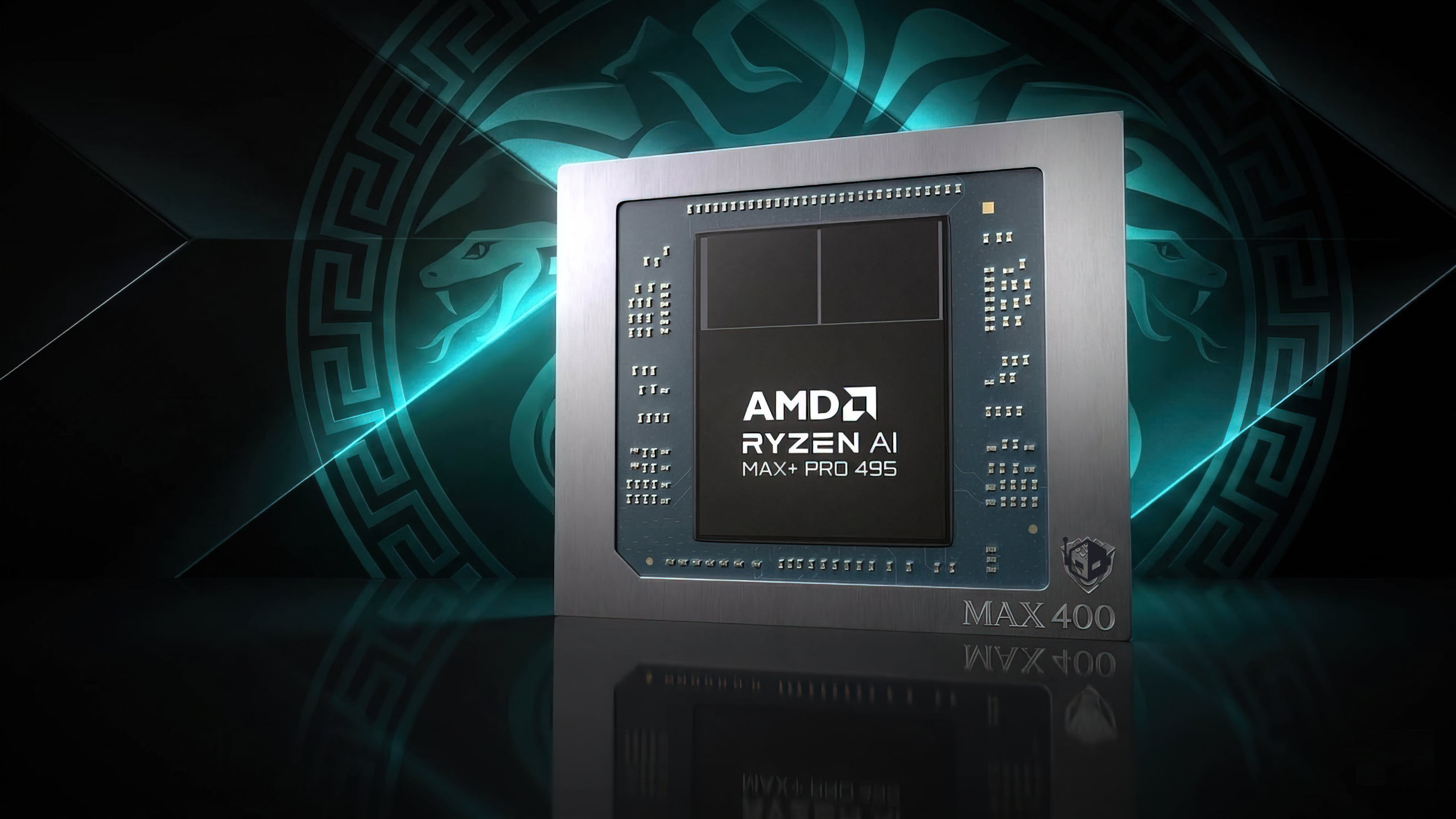
AMD identifies Unified Memory Architecture (UMA) as a critical pillar for its next-generation AI and high-performance computing strategy. The company plans to leverage this architecture to better support Agentic AI workloads.