⚙️
Deepseek releases DeepEP V2, TileKernels
Deepseek-ai has released DeepEP V2 through a GitHub pull request and launched a new TileKernels repository. Links provided for direct access. Posted in r/LocalLLaMA.
Few direct matches — filled in with the latest updates.
Tag: #kernels4 results
Deepseek-ai has released DeepEP V2 through a GitHub pull request and launched a new TileKernels repository. Links provided for direct access. Posted in r/LocalLLaMA.
A pure Triton kernel for fused MoE dispatch outperforms CUDA-optimized Megablocks on Mixtral-8x7B at inference batch sizes (131% faster at 32 tokens). It reduces memory traffic by 35% via fused operations and works across models on NVIDIA and AMD hardware. Code and writeup available on GitHub.
Empirical findings from OpenAI's Parameter Golf reveal SSMs compress worse than transformers and lose architectural edges at larger vocabs in tiny models (25M params, 16MB, 10min train). Blog details Mamba-3 Triton kernel experiments uncovering fusion slowdowns, quant bugs, and precision fixes.

Hugging Face introduces custom kernels powered by Codex and Claude, now available to everyone. This expands access to advanced customization options on the platform. Users can integrate these models seamlessly into their workflows.

OpenAI and Meta are seeking help to address growing public opposition to their AI data center plans. The effort highlights the increasing public-relations challenges surrounding large-scale AI infrastructure expansion.
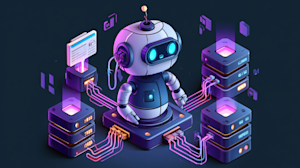
VB Pulse data shows enterprises are adopting multiple AI orchestration platforms instead of relying on a single vendor. The survey also highlights persistent concerns about security, permissions, token usage, cost visibility, and the ability to stop runaway agent spending in real time.
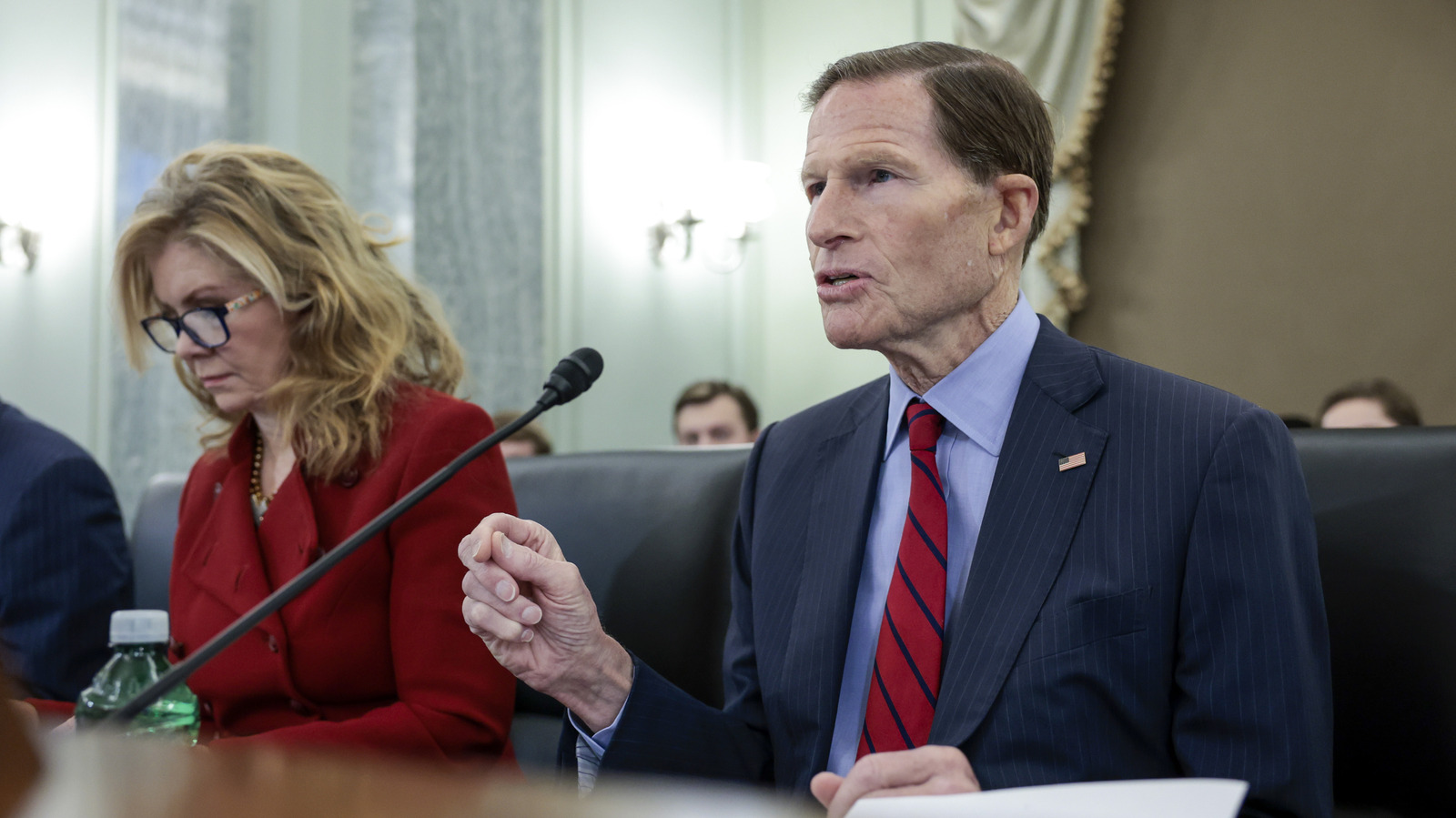
US senators are pressing TikTok for answers about an experiment that reportedly withheld an algorithm safety feature. A teenager who later died by suicide was reportedly included in the test.

At 23, Sean Grindal is building around the belief that AI tools increasingly fail because they are difficult to use, not because they lack capabilities. His approach focuses on making AI video creation more accessible as competitors continue adding features.
A new Pew Research Center study finds signs of AI authorship across roughly one-third of web pages published since ChatGPT launched in late 2022. The finding highlights the rapid spread of AI-assisted content creation across the open web.

Google is introducing a button that lets readers mark publishers as preferred sources across Search, Discover, and Google News. The feature could help publishers recover traffic as AI-powered search generates fewer direct clicks to websites.