
NextEra Energy acquires Dominion in $67B deal
NextEra Energy has agreed to acquire Dominion Energy for $67 billion, creating a utility giant positioned to power the massive energy needs of AI data centers across the US.
Tag: #energy-grid9 results
NextEra Energy has agreed to acquire Dominion Energy for $67 billion, creating a utility giant positioned to power the massive energy needs of AI data centers across the US.
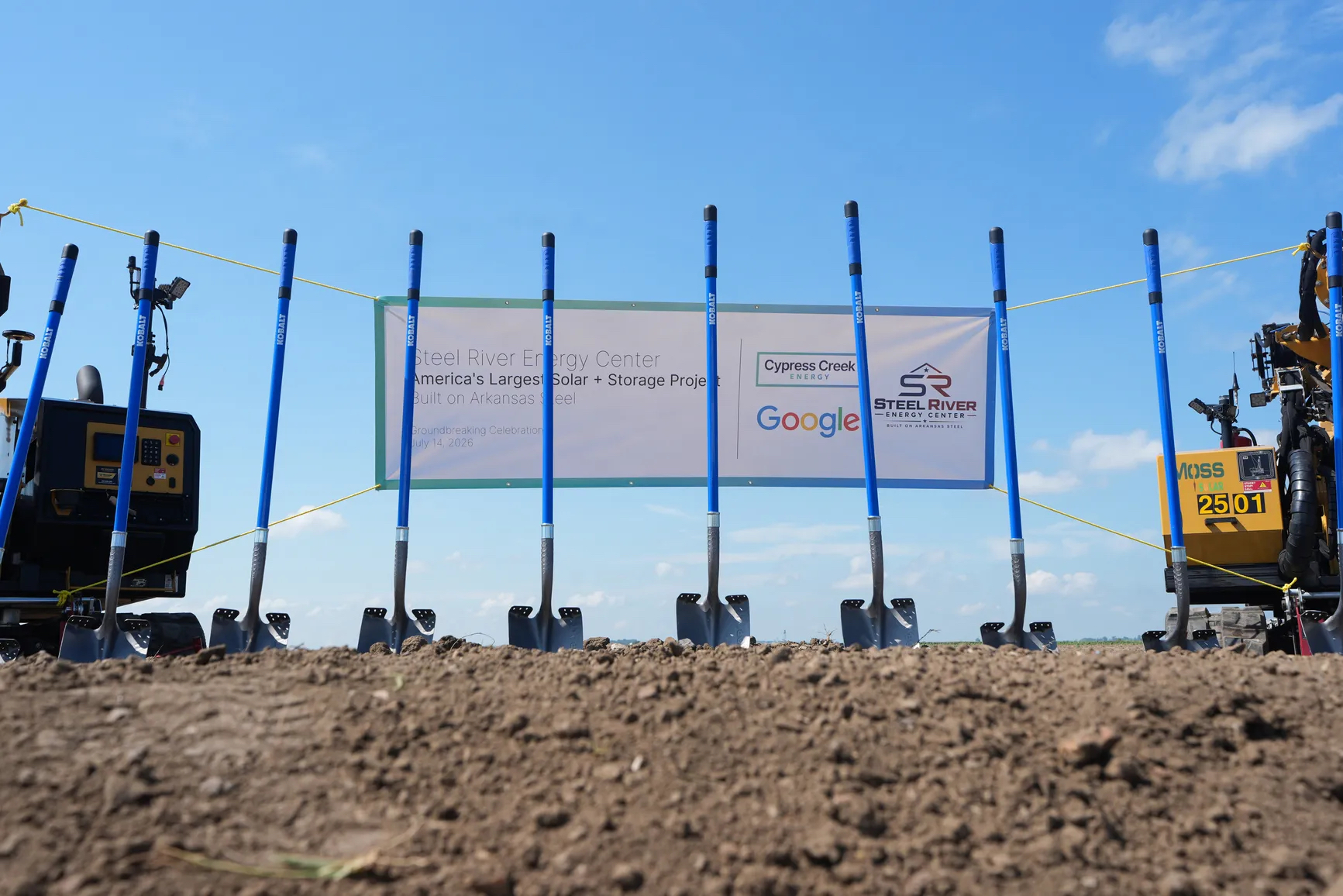
Google announced its largest solar and battery energy storage procurement project in Arkansas. This initiative aims to support the massive power demands of their data centers, which are increasingly located near energy-intensive AI infrastructure.

Seattle-area startups Helion and Zap are racing to develop commercial fusion energy to meet the massive power demands of AI data centers. The industry is shifting toward smaller-scale reactors and hybrid nuclear strategies to hit a 2028 deployment target.
Tesla, Sunrun, and Renew Home are collaborating to aggregate residential energy resources like solar panels and batteries. This initiative aims to address the massive electricity demands of AI infrastructure by creating a decentralized power grid.
Gartner predicts global data center power consumption will reach 565TWh by 2026, a 26% increase. In Japan, the primary bottleneck for new data center construction is the delay in power transmission infrastructure rather than a lack of generation capacity.
Data center developer Crusoe has paused plans for a massive AI campus in Wyoming. The decision follows concerns raised by Google regarding the project's significant energy requirements.
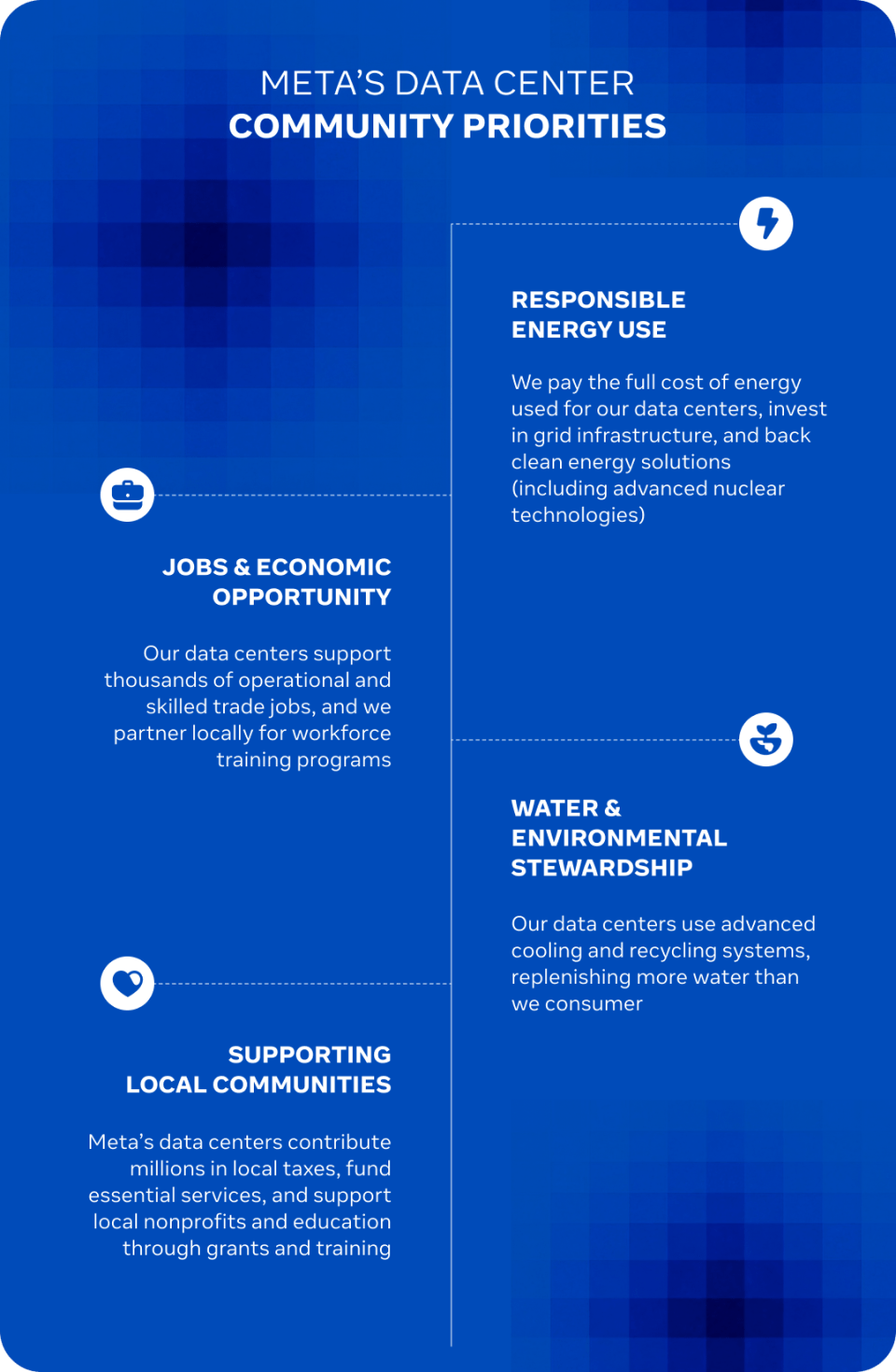
Meta's AI-optimized data centers drive US economic growth via jobs, productivity, and community investments. They fully fund energy costs, upgrade grid infrastructure, and prioritize efficiency without burdening consumers. Focus areas include workforce development, environmental minimization, and local support.
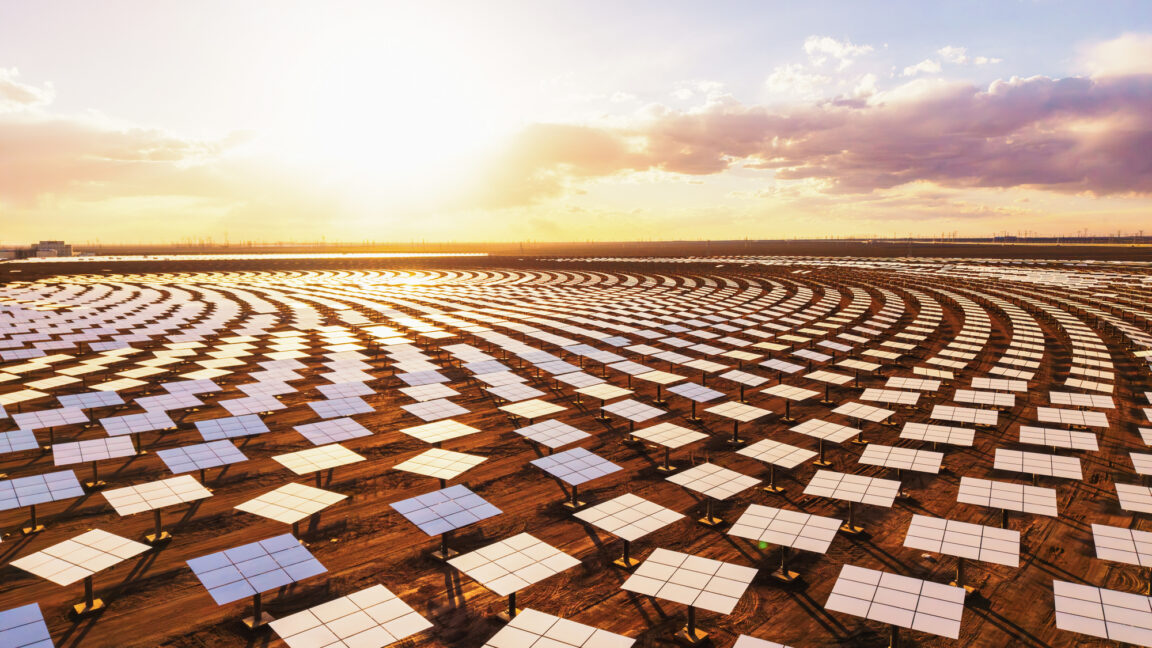
Small-scale solar installations have significantly boosted renewable output. This shift marks a major milestone in the transition of the US energy grid.

The article explores the underlying causes of recurring electricity price surges during winter cold snaps on the East Coast. It challenges common public perceptions by analyzing structural grid issues.