US renewable energy surpasses coal generation in April
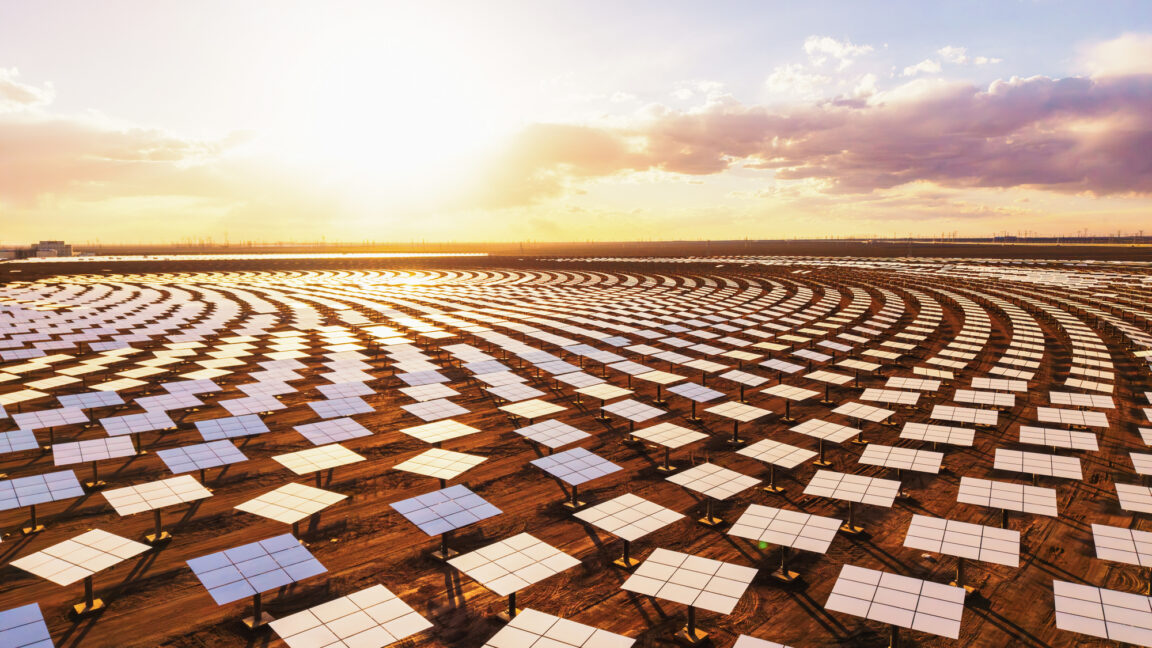
Understand how shifting energy grids impact the sustainability and operational costs of large-scale AI data centers.
30-Second TL;DR
What Changed
Renewable energy generation nearly tripled coal output in April
Why It Matters
The shift toward decentralized renewable energy impacts the load balancing requirements for AI data centers. Energy-intensive AI infrastructure must adapt to more variable power sources.
What To Do Next
Evaluate the energy mix of your cloud provider's data center regions to optimize for carbon-aware AI training schedules.
Key Points
- •Renewable energy generation nearly tripled coal output in April
- •Small-scale solar projects are the primary drivers of this growth
- •The US grid is undergoing a rapid structural shift toward renewables
Deep Insight
AI-generated analysis for this event — not the original article.
Enhanced Key Takeaways
- •The U.S. Energy Information Administration (EIA) data indicates that seasonal factors, specifically lower electricity demand during spring months, significantly amplify the percentage share of renewables compared to fossil fuels.
- •Utility-scale solar capacity additions have reached record levels, complementing the growth of distributed small-scale solar installations in the residential and commercial sectors.
- •Coal-fired power plants are increasingly being relegated to 'peaker' status or retired entirely due to the economic pressure from cheaper natural gas and renewable alternatives.
- •Grid operators are implementing advanced inverter technologies and battery energy storage systems (BESS) to manage the intermittency challenges posed by the increased penetration of solar and wind energy.
- •Federal tax incentives, particularly those expanded under the Inflation Reduction Act, have accelerated the capital investment cycle for renewable projects across multiple U.S. states.
Technical Deep Dive
- Grid integration of distributed energy resources (DERs) relies on IEEE 1547 standards for interconnection, ensuring that small-scale solar inverters can support grid stability through voltage and frequency regulation.
- The shift in generation mix requires increased deployment of Synchronous Condensers or Grid-Forming Inverters to maintain system inertia as traditional coal-fired synchronous generators are decommissioned.
- Advanced Metering Infrastructure (AMI) and smart inverters allow for real-time telemetry, enabling grid operators to better forecast and balance the variable output of behind-the-meter solar assets.
Future ImplicationsAI analysis grounded in cited sources
Timeline
- 2022-08Passage of the Inflation Reduction Act providing long-term tax certainty for renewable energy projects.
- 2023-04Renewable energy sources generate more electricity than coal for the first time in a single month.
- 2024-05EIA reports that solar power capacity has surpassed 200 gigawatts nationwide.
- 2026-04Renewable energy generation significantly exceeds coal output, reinforcing the established trend.
Weekly AI Recap
Read this week's curated digest of top AI events →
AI-curated news aggregator. All content rights belong to original publishers.
Original source: Ars Technica ↗
This is a summary, not the original. Read the source, or get the weekly briefing.
The weekly digest
One email a week. Unsubscribe anytime.