
Anthropic Plans New Claude Data Retention Rules
Anthropic plans to change its enterprise data retention policy for Claude. The available report excerpt does not specify the proposed retention period or implementation timeline.
10 results on this page
Anthropic plans to change its enterprise data retention policy for Claude. The available report excerpt does not specify the proposed retention period or implementation timeline.
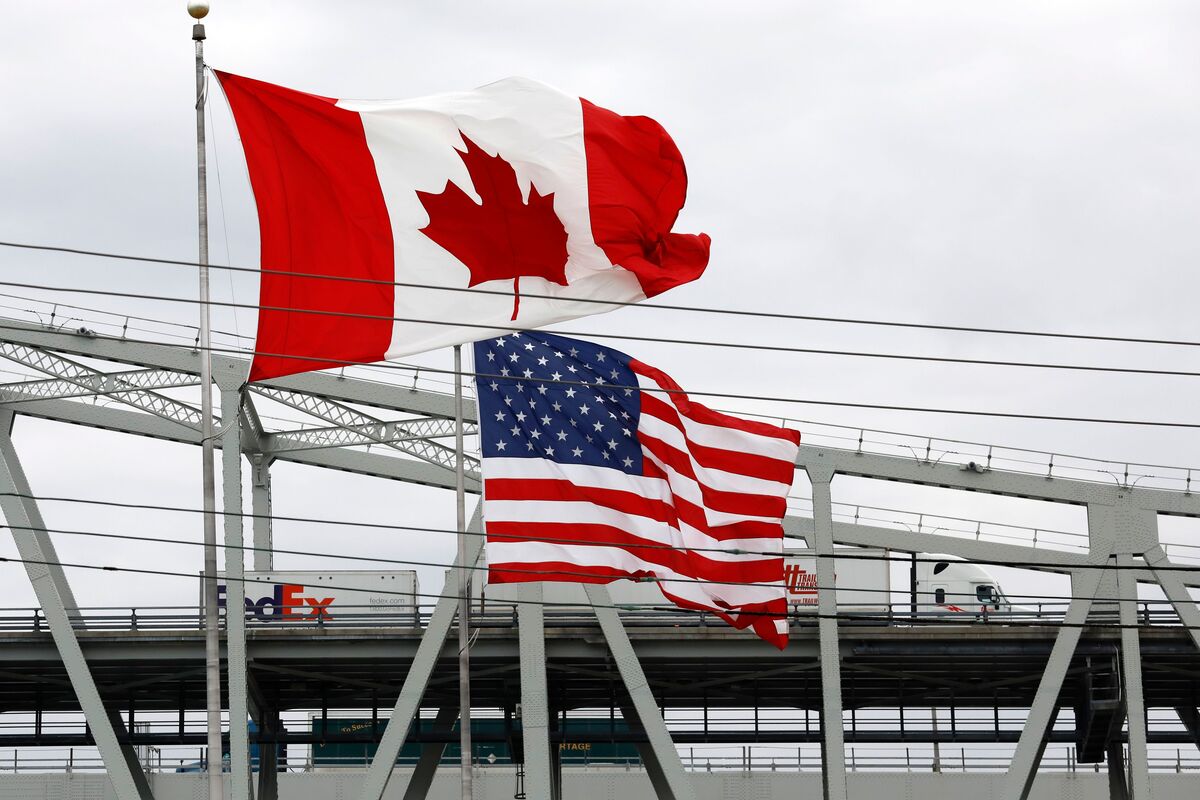
The US Trade Representative’s reference to “digital trade alignment” in talks with Prime Minister Mark Carney’s government is raising concerns in Canada. Critics worry the agreement could limit Canada’s ability to independently regulate technology companies and AI.
The article reports that Anthropic and Amazon have reportedly purchased large volumes of physical books, scanned them, and destroyed the originals to reduce copyright risk in AI training. It argues that this strategy is tied to differences in US and Chinese copyright law, while also raising concerns about the irreversible loss of cultural artifacts.

Taiwan plans to give each resident roughly $314 in cash next year, funded by stronger economic activity linked to the AI server boom. The 2027 central government budget allocates $7.4 billion for the payout.
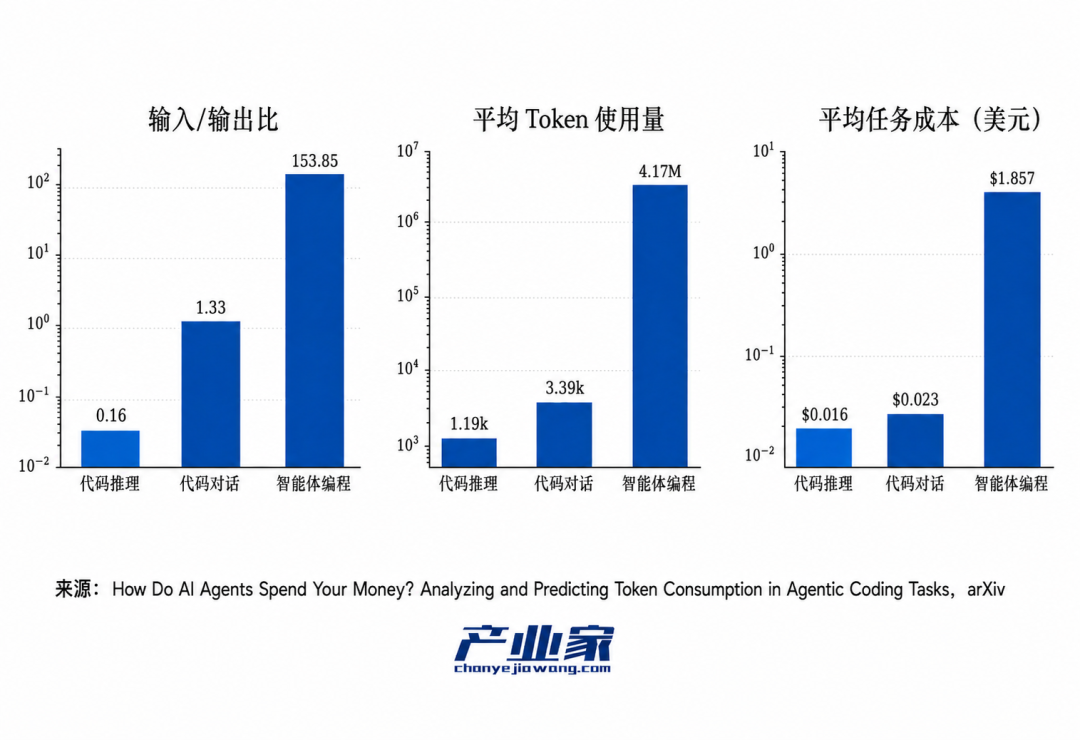
The article argues that China’s AI industry is moving beyond simply accumulating accelerator cards and toward measuring the economic value produced by each Token. It frames 2026 as a pivotal period for lowering Token production costs and improving compute efficiency.

Loudoun County has changed its zoning rules so new data centers can no longer be approved as routine office-park projects. Developers must now obtain approval from residents and local government, ending more than 25 years of relatively easy approvals.
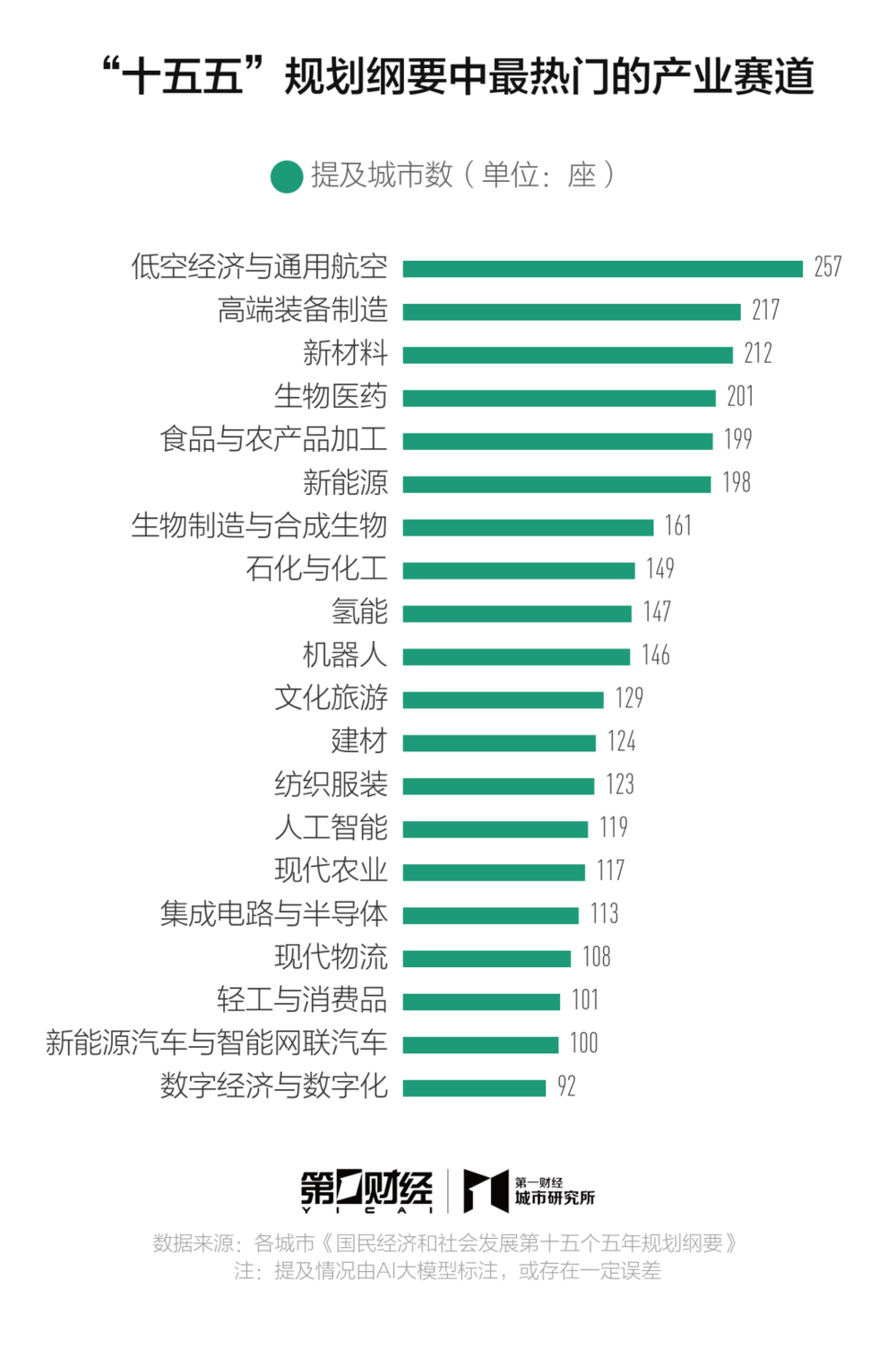
An AI-assisted review of 291 Chinese city planning documents found that low-altitude economy appears in 257 cities’ plans for the next five years. Compared with the previous planning cycle, cities replaced nearly half of their listed industry tracks while increasingly adopting numeric portfolio labels.

Australia’s parliament passed the News Bargaining Incentive, requiring major platforms to face the law even if they choose not to carry news. Meta, Google, TikTok, and LinkedIn are among the affected companies.
OpenAI has launched AI Futures, a new blog focused on how transformative AI may reshape power, governance, the economy, and individual freedom. The publication is intended to explore the broader societal and institutional implications of advanced AI.

The article examines whether autonomous-driving companies can turn AI drivers into a recurring subscription business. It argues that the next phase of L4 competition will depend not only on technical capability, but also on monetization and operational efficiency.