⚙️
Callosum Raises $100 Million to Cut AI Costs
Callosum has raised $100 million in early financing to develop software that matches specific AI tasks with suitable models and chips. Backers include the UK’s public AI fund.
10 results on this page
Callosum has raised $100 million in early financing to develop software that matches specific AI tasks with suitable models and chips. Backers include the UK’s public AI fund.
OpenAI said it will enhance safety processes for paying users who access its most advanced AI models. The move responds to customers using AI for increasingly complex tasks and handling more sensitive information.

NVIDIA introduces Cosmos 3 Edge, a compact world model designed for on-device robot control. The 4B omni-model includes a 2B NVIDIA Nemotron-based reasoner to support adaptive policies across sensors, environments, and tasks.

Chinese AI companies are optimising software to handle growing inference demand while access to high-end Nvidia processors remains limited. Domestic chips can support some inference workloads, but complex coding tasks still depend partly on scarce Nvidia capacity.

MORPHI made its first systematic domestic appearance at WRC, showcasing its newly released embodied-intelligence model architecture, MoRA. The demonstration focused on how a robot’s embodied brain supports practical long-horizon tasks.
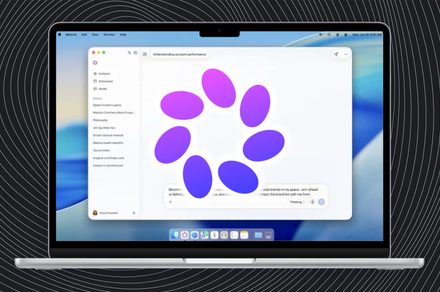
Meta has launched a dedicated AI assistant app for Mac. It can analyze shared windows, provide dictation across apps, and support creative and productivity tasks.

NVIDIA SkillEvaluator is designed to measure whether packaged agent skills improve AI agent performance. It evaluates the value of instructions, examples, and tool guidance that help agents find relevant context, reduce wasted steps, and complete specialized tasks more effectively.
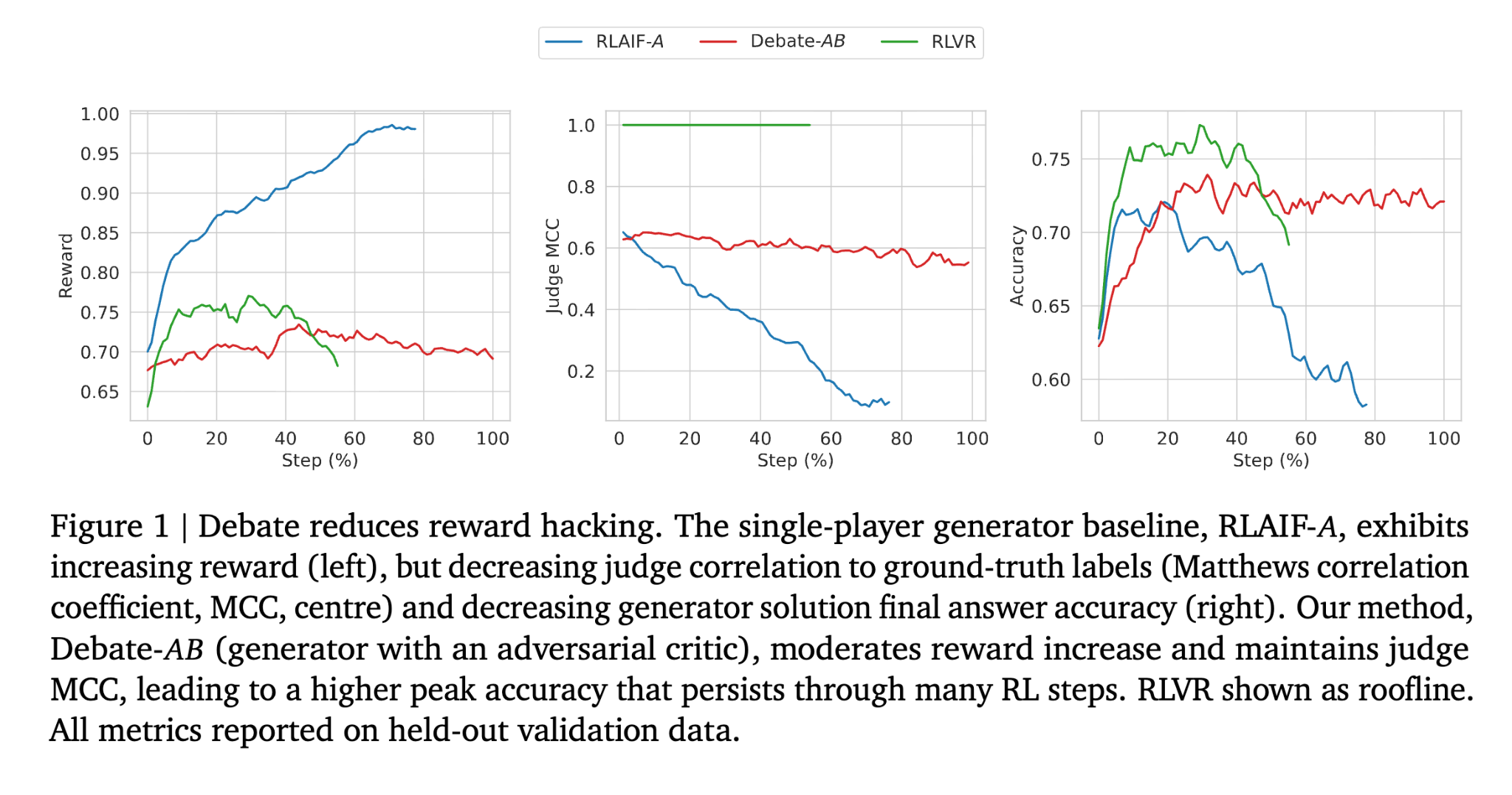
Google DeepMind researchers found that training AI agents through debate can reduce reward hacking when an LLM judge evaluates their work. On mathematics tasks, debate achieved higher sustained ground-truth accuracy than directly optimizing for LLM judge rewards.

A community developer created Qwen3.8-23B-Mini-Me by strategically removing layers from Qwen3.8-27B, reducing the model to approximately 22.7B parameters without severe reasoning degradation. The model is reported to work well for coding, agentic tasks, and multi-turn chats, but it has not yet been benchmarked and struggles more with edge cases and underspecified prompts.
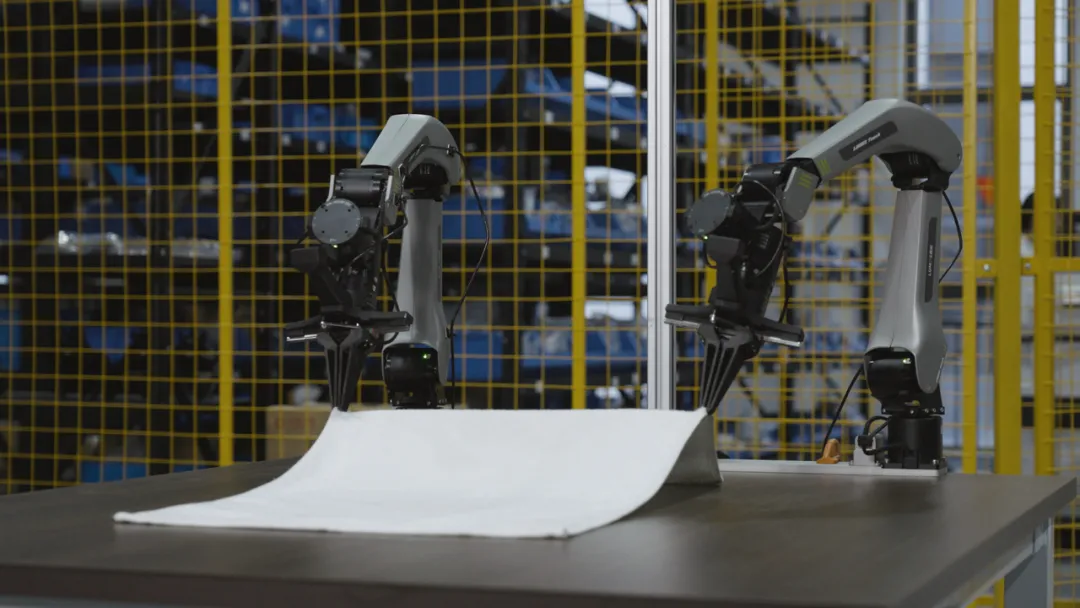
Luming Robotics founder Yu Chao argues that embodied AI is entering a phase where task-specific skills matter more than simply building robot hardware. The company’s strategy emphasizes defining capabilities and forms around real-world tasks.