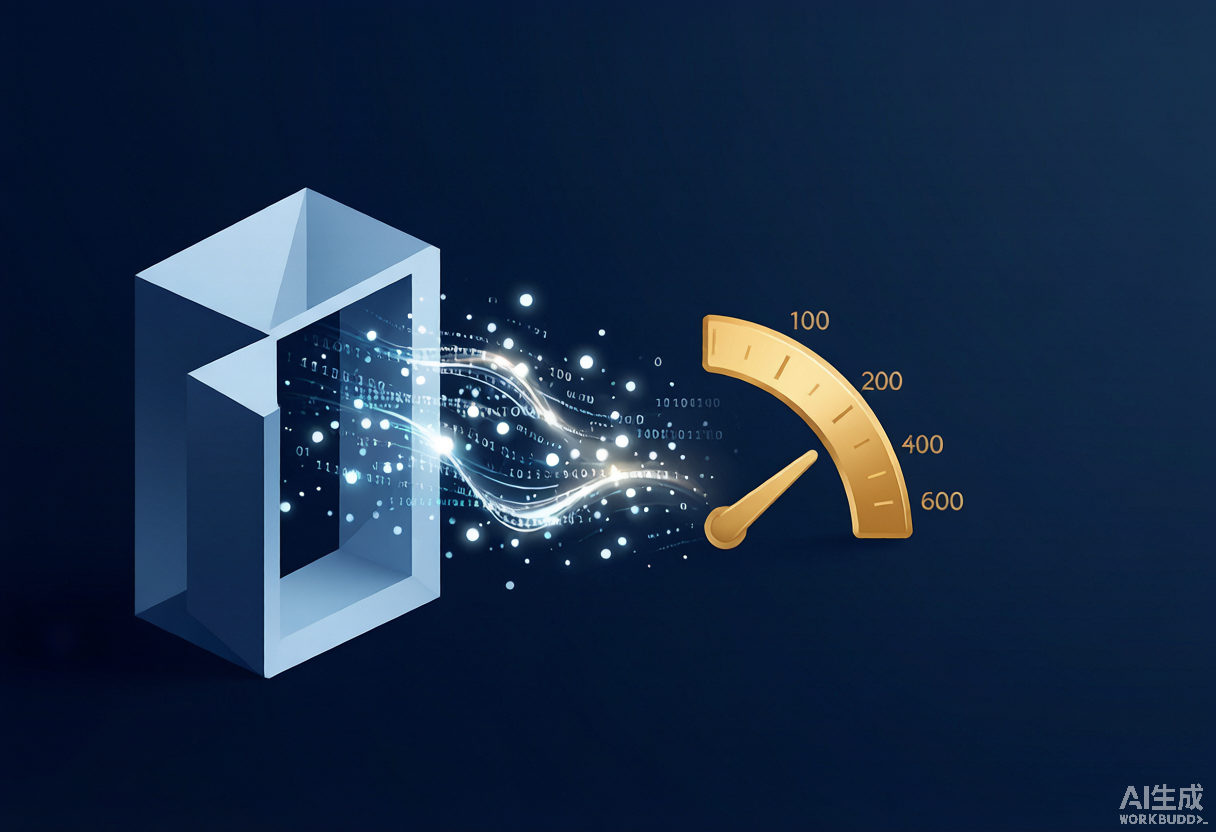
Open Models Enter Revenue Sharing
Kimi K3 and Qwen3.8-Max have reportedly introduced revenue-sharing clauses into their open-source strategies. The shift suggests that open models may be moving from unrestricted free use toward a freemium model.
10 results on this page
Kimi K3 and Qwen3.8-Max have reportedly introduced revenue-sharing clauses into their open-source strategies. The shift suggests that open models may be moving from unrestricted free use toward a freemium model.

MiniMax Design uses an Agent to orchestrate multiple models for professional content production. Its positioning reflects a broader shift in AI video competition from model capabilities alone toward integrated products and measurable commercial value.
A hyper-optimized Qwen3.8-27B inference stack using DFlash2 reaches about 138 tokens per second on a power-limited RTX 3090, while 64-request throughput reaches 942 TPS. Prefix caching also reduces long-chat follow-up latency from roughly 23 seconds to under 1.4 seconds in reported tests.
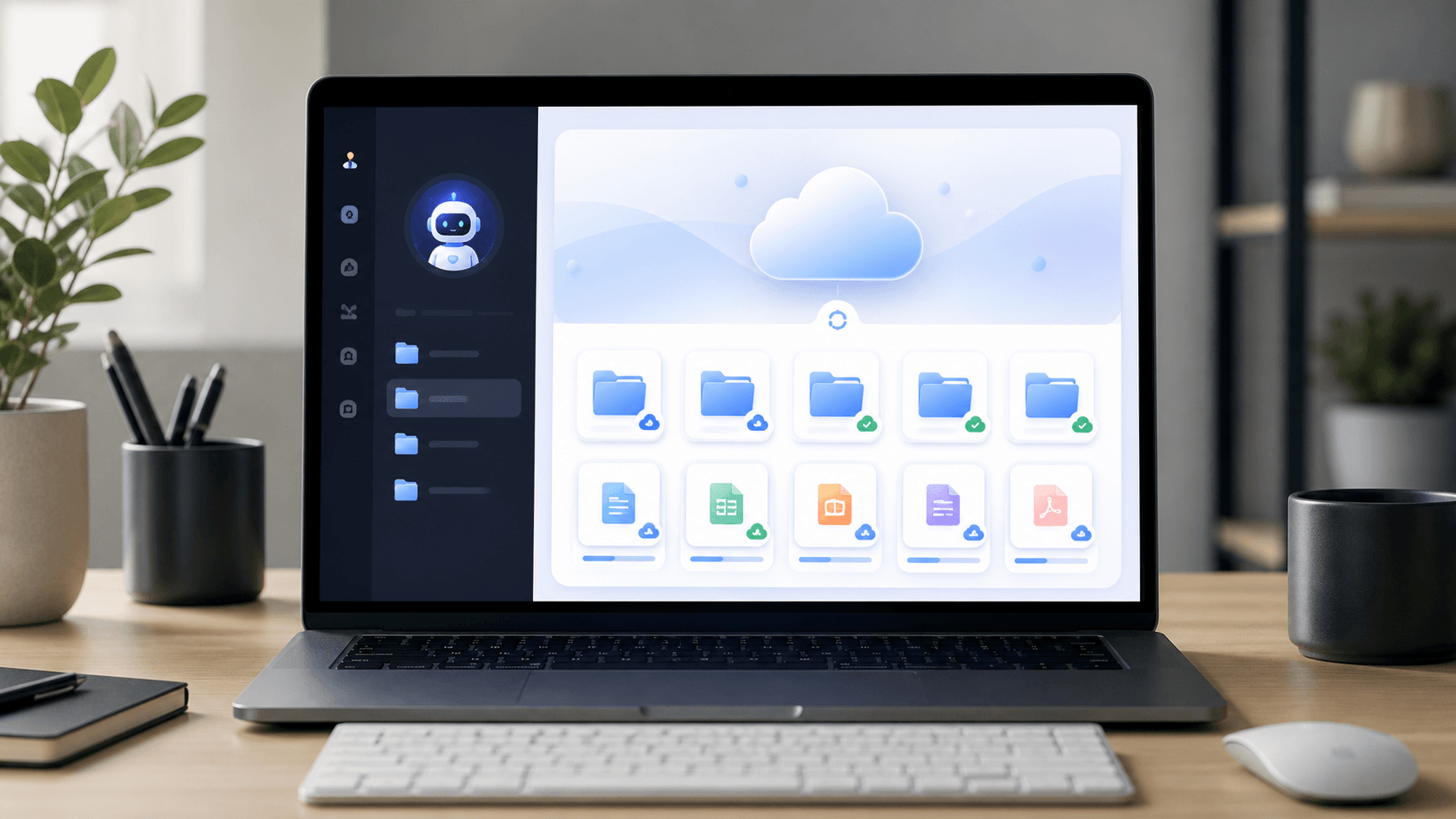
MiniMax launched MiniMax Design, a production workflow built around its H3 video model. The platform organizes professional video capabilities into executable nodes for continuous editing, collaboration, and delivery across video, image, music, and voice generation.

Unsloth released new Qwen3.8-27B GGUF quantizations claiming 10% higher accuracy at the same file size. The release also includes 1-bit quantizations that retain 77% accuracy and can run with 8GB of RAM.
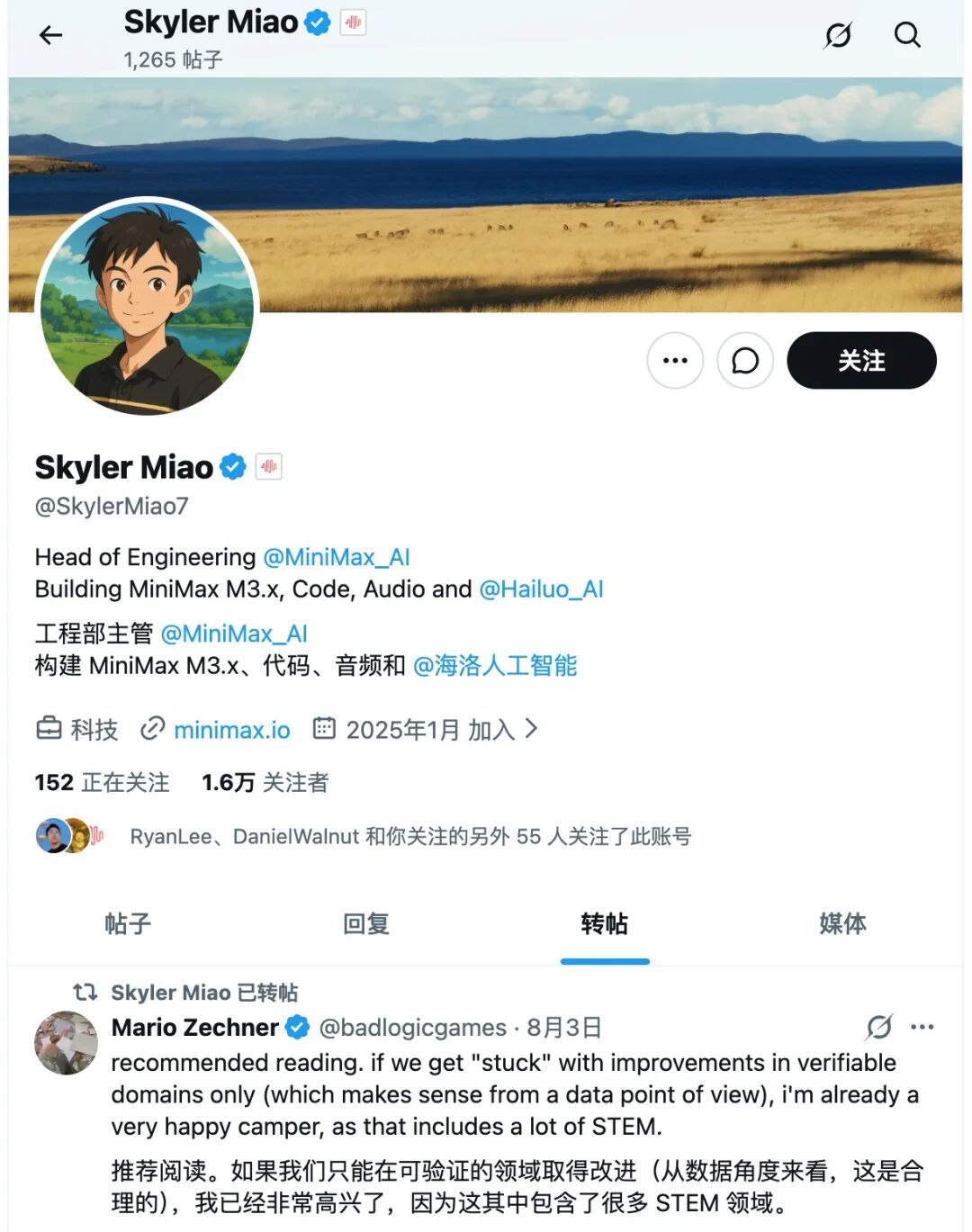
The article reports that MiniMax lost a senior executive after releasing M3. It frames the departure as a question about whether the era of individually driven agent development is coming to an end.

A community benchmark reports up to 218.3 tokens per second for Qwen3.8-27B on two RTX 3090 GPUs using vLLM, INT4 quantization, and DFlash2 speculative decoding. The setup achieved a 131K context ceiling, 168–178 ms time to first token, and peak VRAM usage of 22.3 GB per card.
A community test on an AMD R9700 with ROCm reports noticeable quality and long-context retention differences between FP16 and q8_0 KV cache for Qwen3.8-27B. FP16 reportedly produces more careful structured output and maintains performance beyond 120k tokens, challenging the assumption that both formats are equivalent.
A Reddit user reports that Qwen3.8-27B performs substantially worse than Qwen3.6 on obscure trivia and offline knowledge tests. The model may still be strong for coding and tool-assisted workflows, but users relying on its internal weights for broad factual recall should be cautious.

A Reddit user reports that Qwen3.8-27B autonomously retrieved a university class schedule through 80 tool calls using only credentials and a university name. In another test, it downloaded and analyzed a social-media video, installed Whisper for transcription, and enhanced video frames without human intervention.