Open Models Enter Revenue Sharing
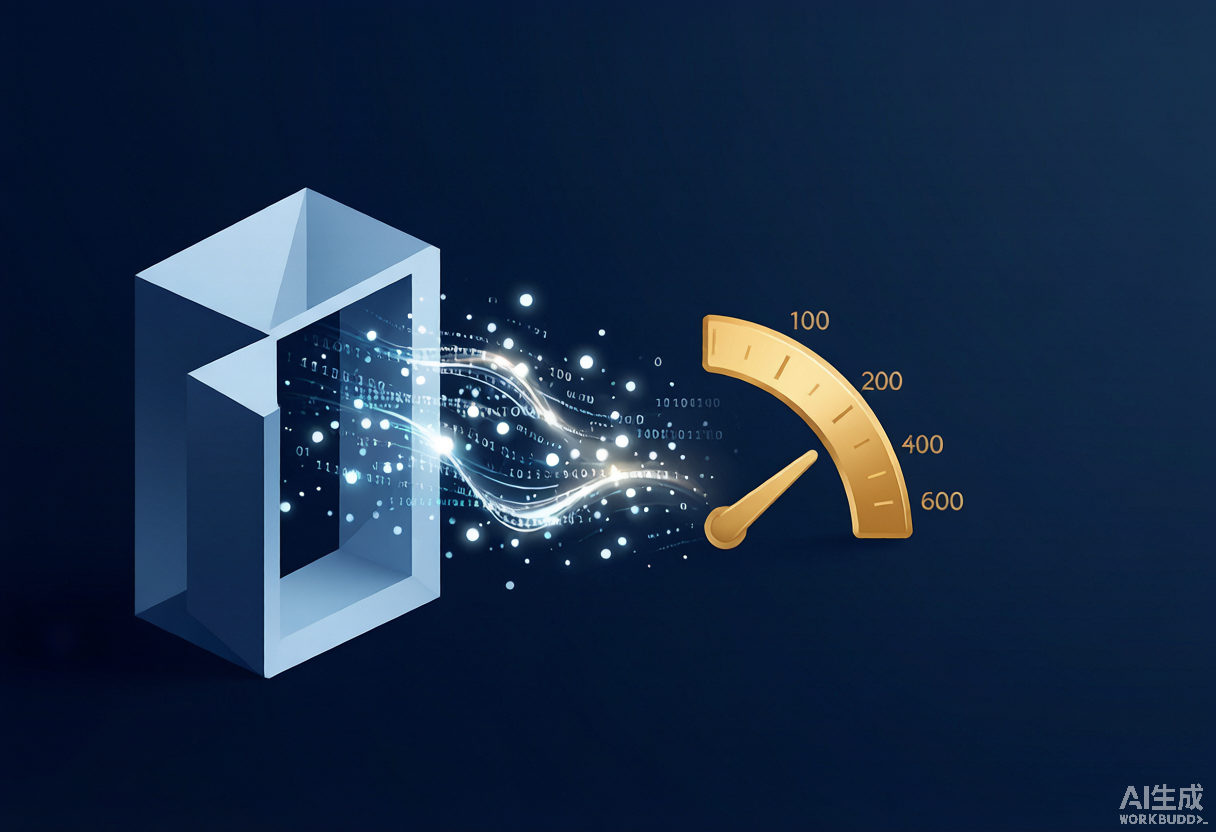
💡Open-source AI may be adopting commercial terms that change model-selection and licensing decisions.
⚡ 30-Second TL;DR
What Changed
Kimi K3 has introduced a revenue-sharing clause.
Why It Matters
Revenue-sharing terms could give model providers a more sustainable way to fund training and deployment. However, they may also increase licensing complexity and affect how developers evaluate open models for commercial products.
What To Do Next
Before integrating Kimi K3 or Qwen3.8-Max into a commercial product, review their latest licenses and document whether your use case triggers revenue-sharing obligations.
Key Points
- •Kimi K3 has introduced a revenue-sharing clause.
- •Qwen3.8-Max has also adopted similar commercial terms.
- •Open-source model distribution may be shifting toward free use combined with paid monetization.
🧠 Deep Insight
AI-generated analysis for this event.
🔑 Enhanced Key Takeaways
- •The revenue-sharing model typically triggers when commercial applications exceed a specific threshold of monthly active users (MAU) or generated revenue, marking a departure from traditional permissive licenses like Apache 2.0 or MIT.
- •Industry analysts suggest this shift is driven by the unsustainable compute costs of training and serving frontier-grade models like Kimi K3 and Qwen3.8-Max, forcing providers to seek sustainable ROI.
- •These new licensing terms often include 'Platform Royalty' clauses, where developers must pay a percentage of gross revenue back to the model creator if the model is used as the core engine for a commercial SaaS product.
- •The move has sparked significant debate within the open-source community, with some developers labeling these models as 'Open-Weight' or 'Source-Available' rather than true Open Source under OSI definitions.
- •Major cloud providers are reportedly adjusting their API billing structures to integrate these revenue-sharing compliance checks automatically for enterprise customers deploying these models.
📊 Competitor Analysis▸ Show
| Feature | Kimi K3 | Qwen3.8-Max | Llama 4 (Open) | Mistral Large 3 |
|---|---|---|---|---|
| Licensing | Revenue-Share | Revenue-Share | Permissive (Custom) | Proprietary/API |
| Primary Focus | Long-Context/RAG | Multimodal/Coding | General Purpose | Efficiency/Speed |
| Revenue Model | Freemium/Royalty | Freemium/Royalty | Free/Support-based | API-only |
🛠️ Technical Deep Dive
- Kimi K3 utilizes a proprietary Mixture-of-Experts (MoE) architecture optimized for ultra-long context windows, reportedly exceeding 2 million tokens with high retrieval accuracy.
- Qwen3.8-Max employs a dense-to-sparse training methodology, allowing it to maintain high reasoning capabilities while reducing inference latency compared to its predecessor.
- Both models incorporate 'Usage-Tracking' telemetry hooks embedded in the model weights to facilitate the automated revenue-sharing reporting required by the new licenses.
- The models utilize advanced quantization techniques (INT4/INT8) that are strictly enforced by the license to ensure performance parity across commercial deployments.
🔮 Future ImplicationsAI analysis grounded in cited sources
⏳ Timeline
Weekly AI Recap
Read this week's curated digest of top AI events →
👉Related Updates


AI-curated news aggregator. All content rights belong to original publishers.
Original source: 钛媒体 ↗