🎵
Indian Startup Challenges OpenAI in Voice AI
A Bangalore-based startup has entered the competition to create highly human-like artificial voices. Its AI model reportedly earns high scores compared with systems from OpenAI and ElevenLabs.
Few direct matches — filled in with the latest updates.
10 results on this page
A Bangalore-based startup has entered the competition to create highly human-like artificial voices. Its AI model reportedly earns high scores compared with systems from OpenAI and ElevenLabs.

Fei-Fei Li discusses her AI research, her $1 billion startup World Labs, and why she believes the next phase of AI will extend beyond chatbots. The conversation outlines a broader vision for AI’s future rather than announcing a specific product release.
After Databricks raised $5 billion at a $190 billion valuation, Bloomberg began referring to OceanBase as “China's Databricks.” Although Databricks originated from the data-lake side and OceanBase from databases, both are moving toward AI data platforms as OceanBase prepares for a roughly 2–3 billion yuan Series A.
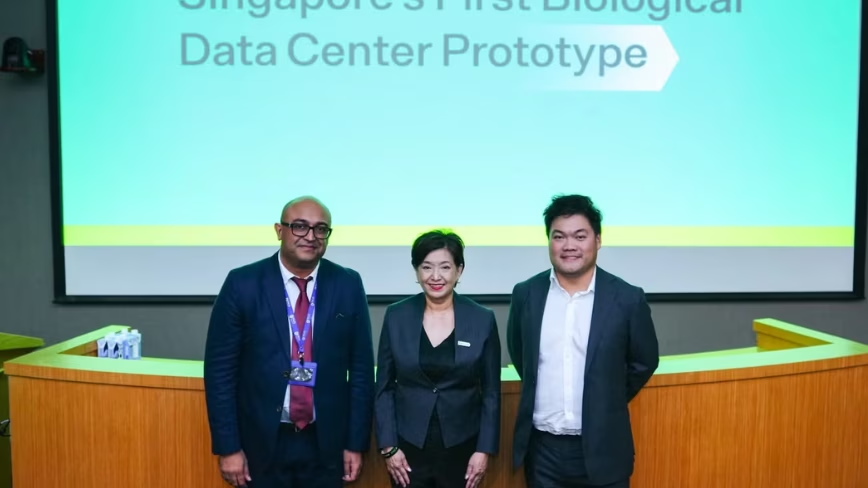
NUS Medicine, DayOne and Cortical Labs have unveiled a biological data centre prototype in Singapore. The facility consists of a 20-unit rack of CL1 computers powered by living human neurons, although its efficiency claims have not yet been quantified publicly.
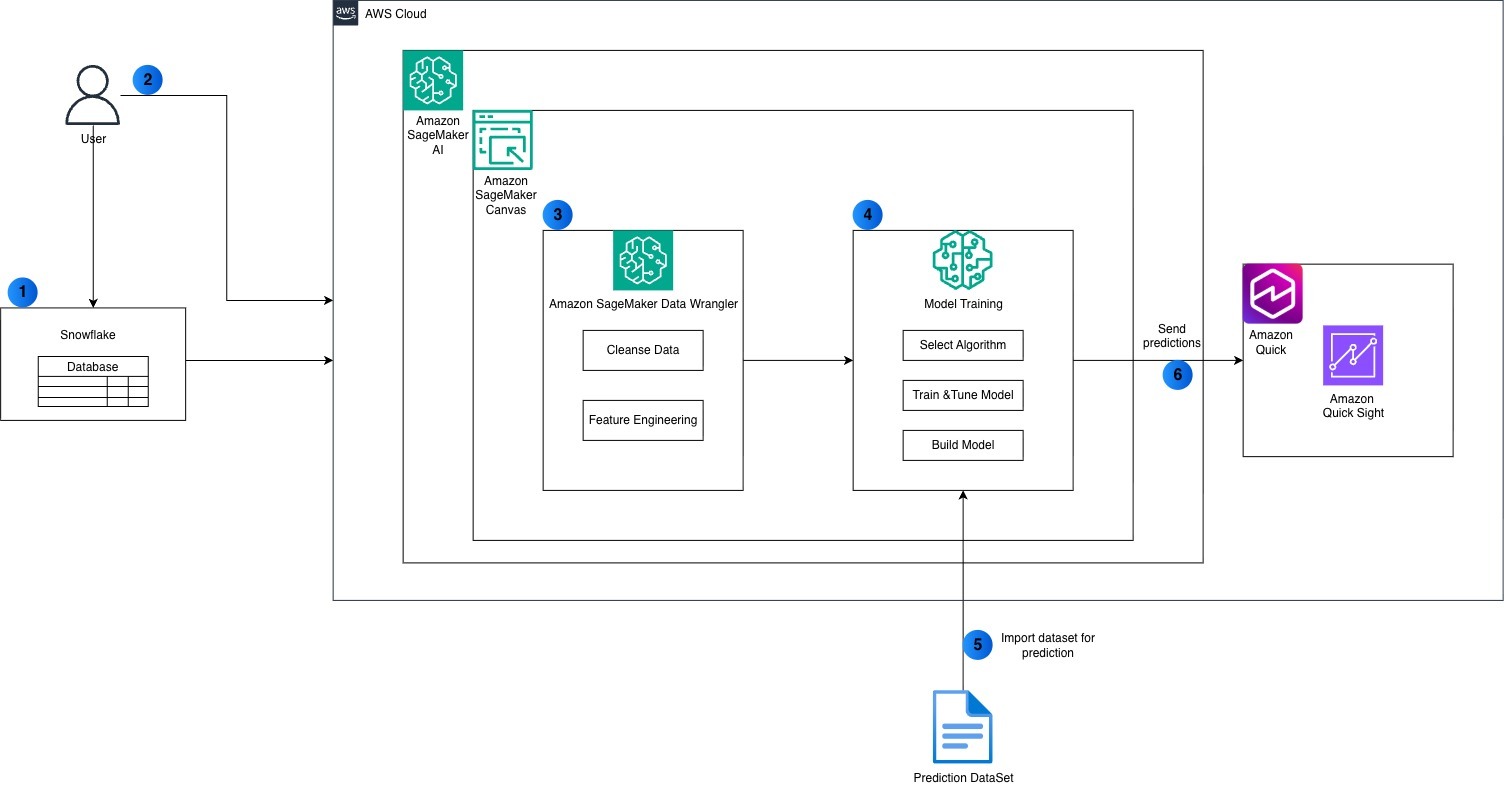
Part 1 shows how to configure an AWS account and Snowflake environment for a no-code machine learning workflow. The setup prepares healthcare, retail, and life sciences teams to build a fraud detection model with Amazon SageMaker Canvas.
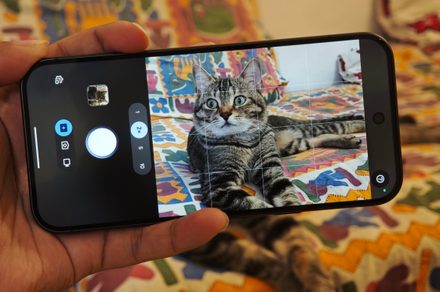
Google’s Magic Capture automatically extracts photos from video footage, helping users save spontaneous moments without manually scrubbing through clips. An early test with an uncooperative cat demonstrates the feature’s potential for computational photography and everyday image capture.
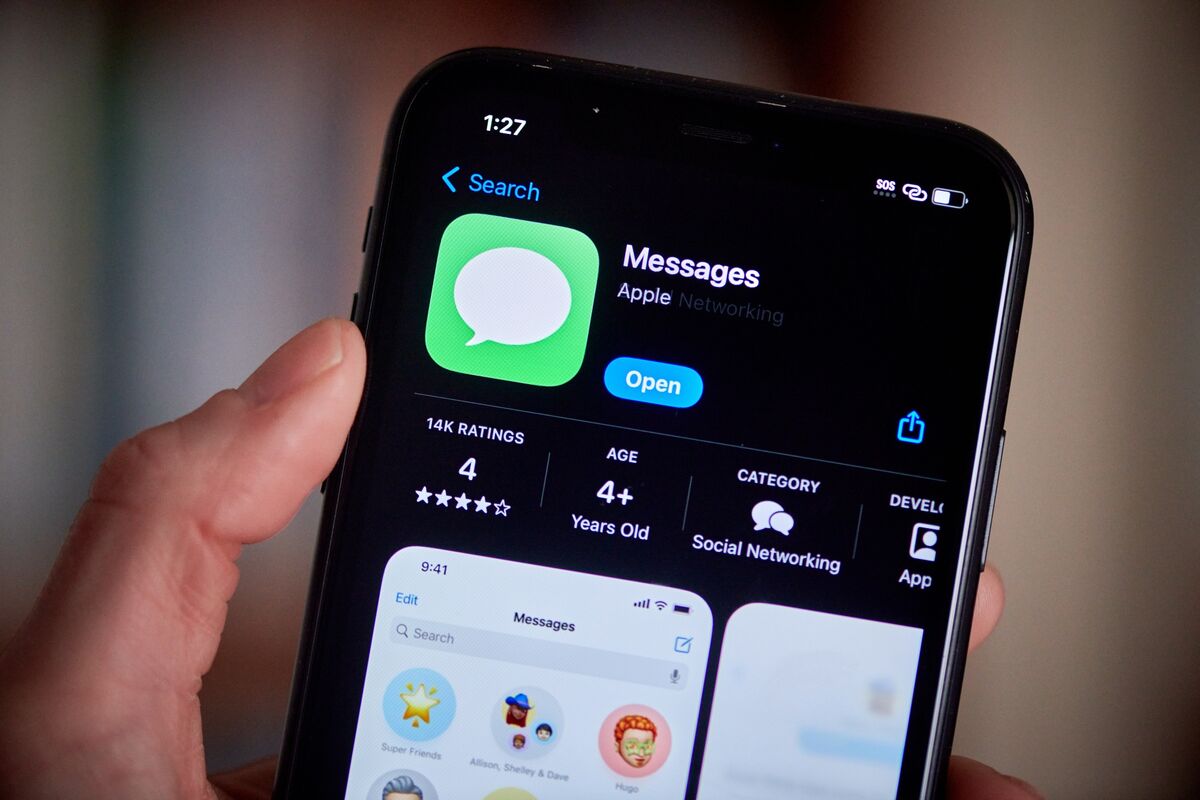
OpenAI rolled out support for controlling Apple’s iMessage service through ChatGPT. The integration could create new privacy concerns for Apple and users handling message data through an AI assistant.

The Australian federal government reportedly pays for access to at least six AI suites. Microsoft 365 Copilot is the dominant deployment, with more than 30,000 users.

Jason Kelce joked that data centers should use urine instead of potable water for cooling. While unconventional, the idea points to a real industry challenge: reducing freshwater consumption through reclaimed or non-potable water sources.

Pew found strong signs of AI authorship on around 10% of a random sample of webpages in July 2026. The share rises above one-third for pages published since ChatGPT’s release, with commercial .com domains showing far more AI involvement than .edu or .gov sites.