
Claude Gains Autonomous Gmail Messaging
Claude can now send, reply to, and forward Gmail messages on a user's behalf. Users can grant the assistant more autonomy without approving every individual action.
10 results on this page
Claude can now send, reply to, and forward Gmail messages on a user's behalf. Users can grant the assistant more autonomy without approving every individual action.
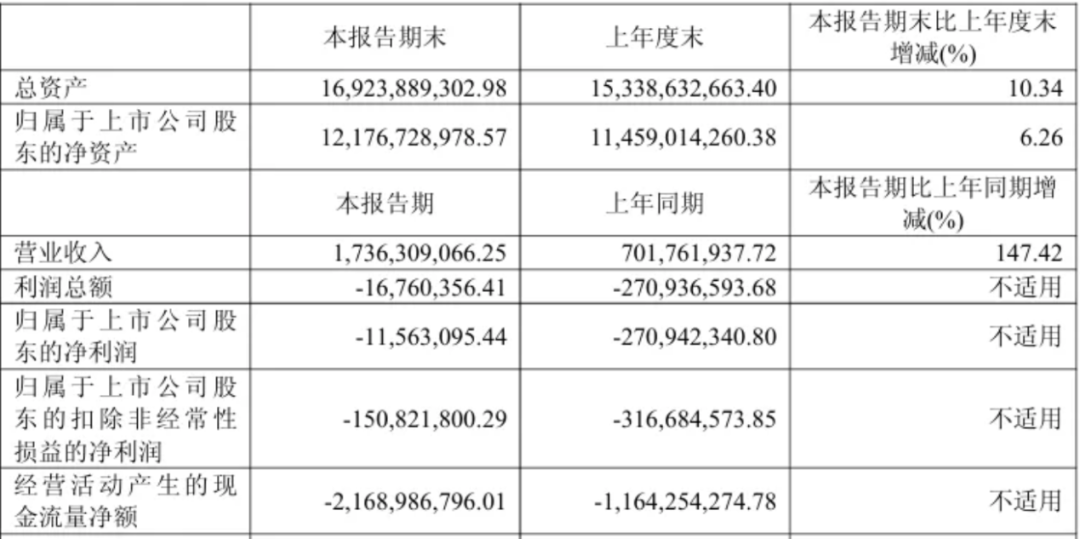
Moore Threads’ first post-IPO half-year report shows revenue rising 147% to RMB 1.736 billion, while attributable losses narrowed sharply. However, the improvement relies heavily on concentrated cloud-computing sales, government subsidies, investment gains, and IPO-funded cash reserves rather than a clear recovery in core operations.

Generative recommenders are shifting recommendation objectives from embedding similarity toward predicting a user's next action or item. The approach uses user-history sequences and large catalogs to rethink how recommendation systems are trained and served at scale.

Slack Code now lets developers bring AI coding agents into a shared Slack group chat, allowing teammates to participate in the interaction. The update shifts coding-agent use from a private developer workflow toward collaborative team review and discussion.
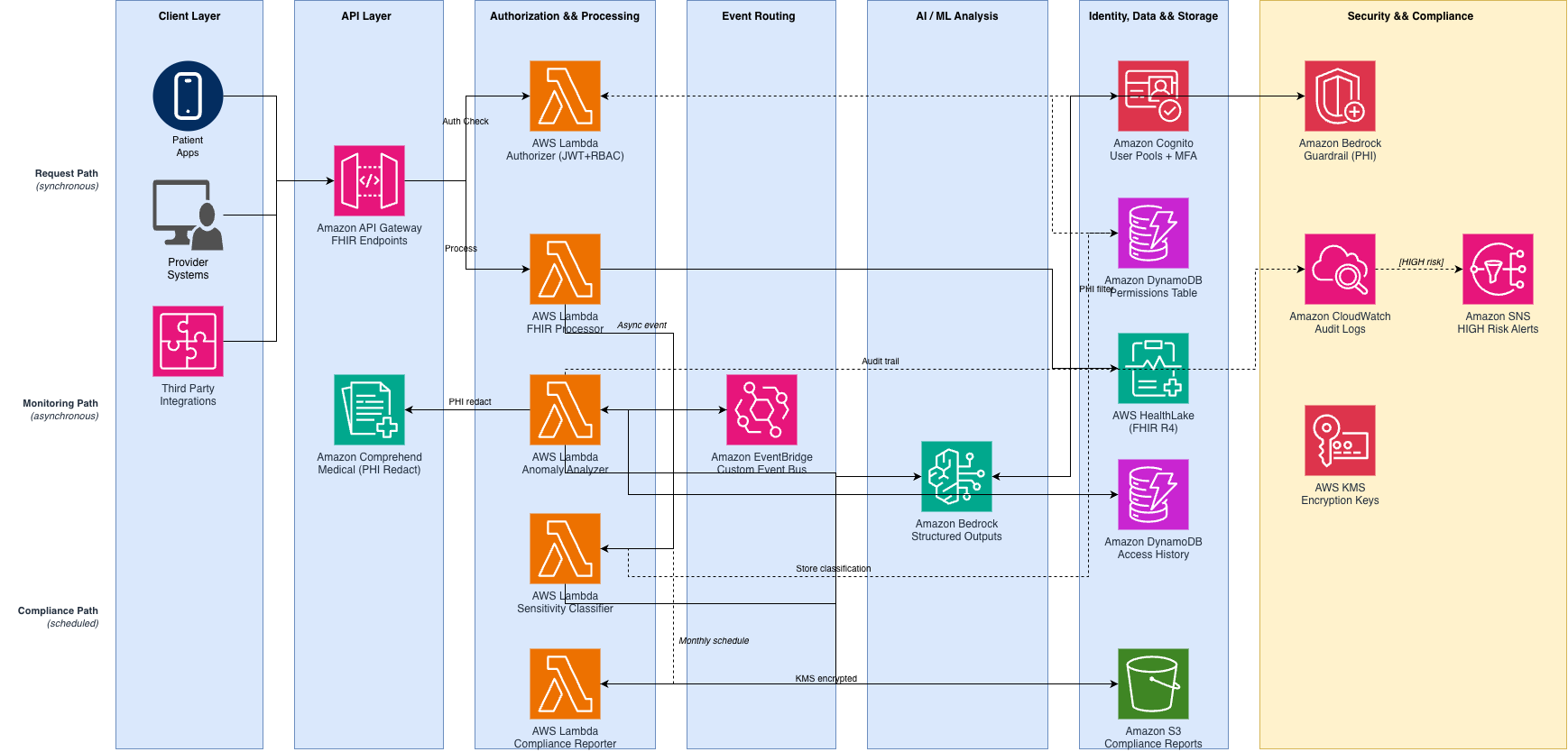
AWS demonstrates how Amazon Bedrock can add context-aware security monitoring to healthcare FHIR APIs. The approach detects anomalous access patterns, classifies data sensitivity, and generates natural-language compliance reports without adding latency to clinical workflows.

Waymo has disclosed key details about the high-performance computers installed in the trunks of its robotaxis. The company shared processor specifications, chip architecture, internal components, and hardware suppliers for the first time.

Chinese AI companies are optimising software to handle growing inference demand while access to high-end Nvidia processors remains limited. Domestic chips can support some inference workloads, but complex coding tasks still depend partly on scarce Nvidia capacity.

SMIC reported its first $3 billion quarter, with revenue rising 36.1% year over year and net profit nearly tripling to $479.2 million. The Chinese foundry is also raising wafer prices as US sanctions strengthen demand from China’s captive AI market.
The Spectral Neuron is a proposed ML primitive based on the largest eigenvalue of an input-conditioned matrix. The preprint develops its mathematical properties, initialization and training methods, and evaluates scalability on synthetic and real-world datasets.

China is increasingly deploying supernodes—clusters of dozens or hundreds of chips and supporting hardware—to scale AI computing. By combining larger quantities of domestic chips, these systems aim to deliver competitive performance despite US export restrictions on advanced AI chips.