
Ramp Launches Router for Multi-Model AI Access
Ramp has launched Router, an AI model routing service that allows users and companies to access and switch between multiple large language models. The service is available through an API.
10 results on this page
Ramp has launched Router, an AI model routing service that allows users and companies to access and switch between multiple large language models. The service is available through an API.

Tactile robotics is expanding from sensor hardware into datasets, foundation models, and evaluation benchmarks. Research shows touch improves physical reasoning and robot success, but inconsistent sensor formats create major cross-device transfer challenges.
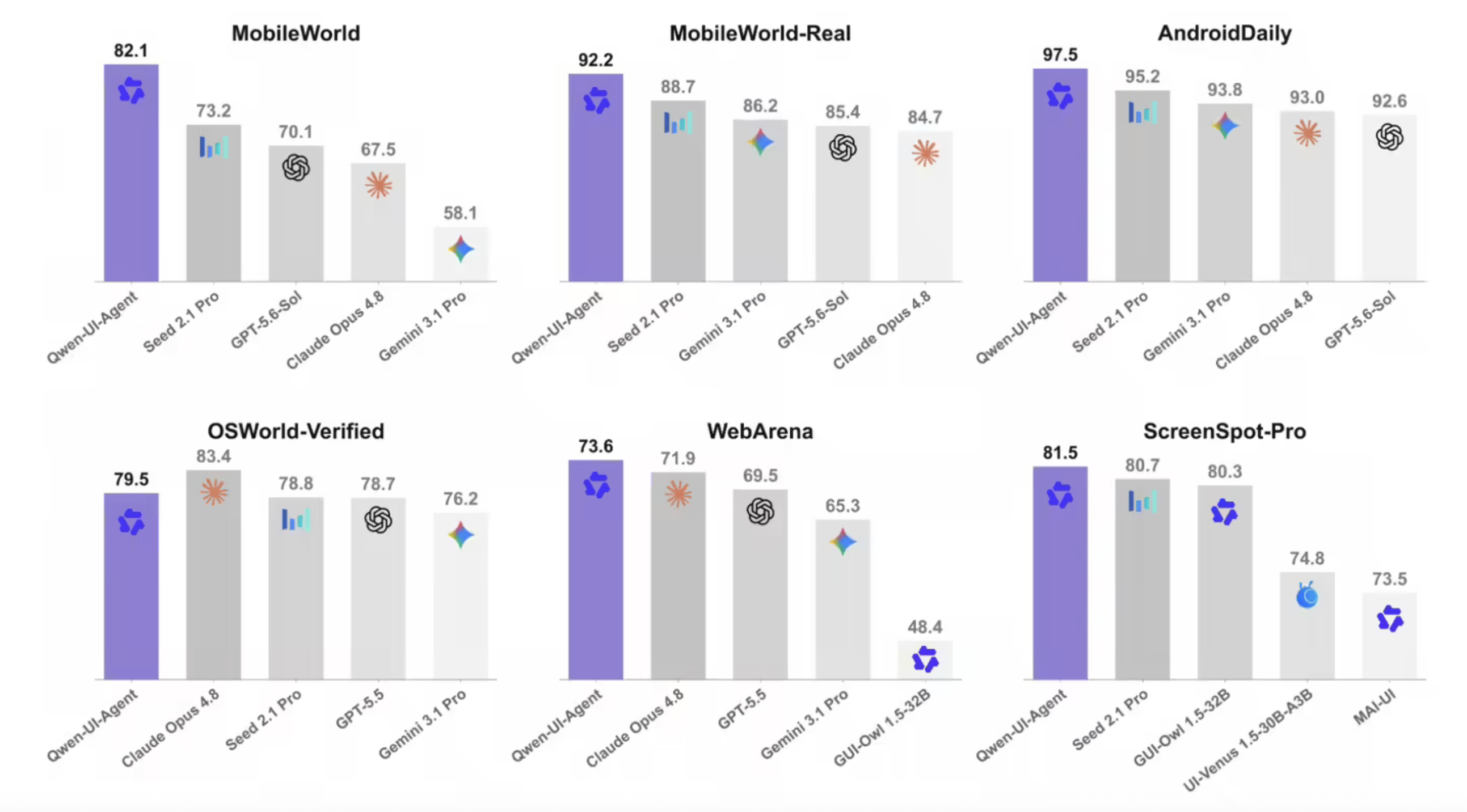
Alibaba has launched Qwen-UI-Agent, a general-purpose GUI agent foundation model designed for real-world tasks across mobile, desktop, web, and DeepSearch environments. The article reports that it surpassed GPT 5.6 and Claude Opus 4.8 on a mobile benchmark.
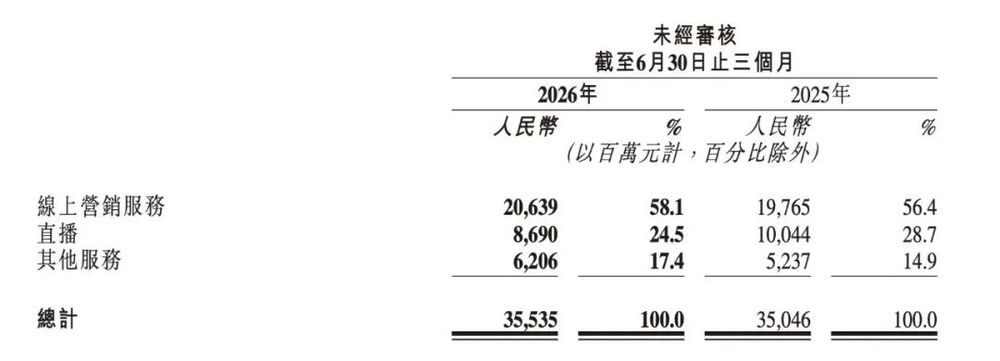
Kuaishou’s Kling AI raised nearly $3 billion at a post-money valuation of $18 billion, with Kuaishou’s stake falling to 68.33% and a potential Hong Kong IPO targeted by 2031. Despite strong revenue growth, Kling faces slowing momentum, talent departures, and intense competition from ByteDance’s Seedance and open-source video models.

Tencent is aggressively expanding WorkBuddy through more than 2,000 agents, enterprise discounts, sales commissions, and standardized marketing scripts. The AI office market is shifting from model differentiation toward deployment services, human-heavy implementation, measurable ROI, and price competition.
Callosum has raised $100 million in early financing to develop software that matches specific AI tasks with suitable models and chips. Backers include the UK’s public AI fund.
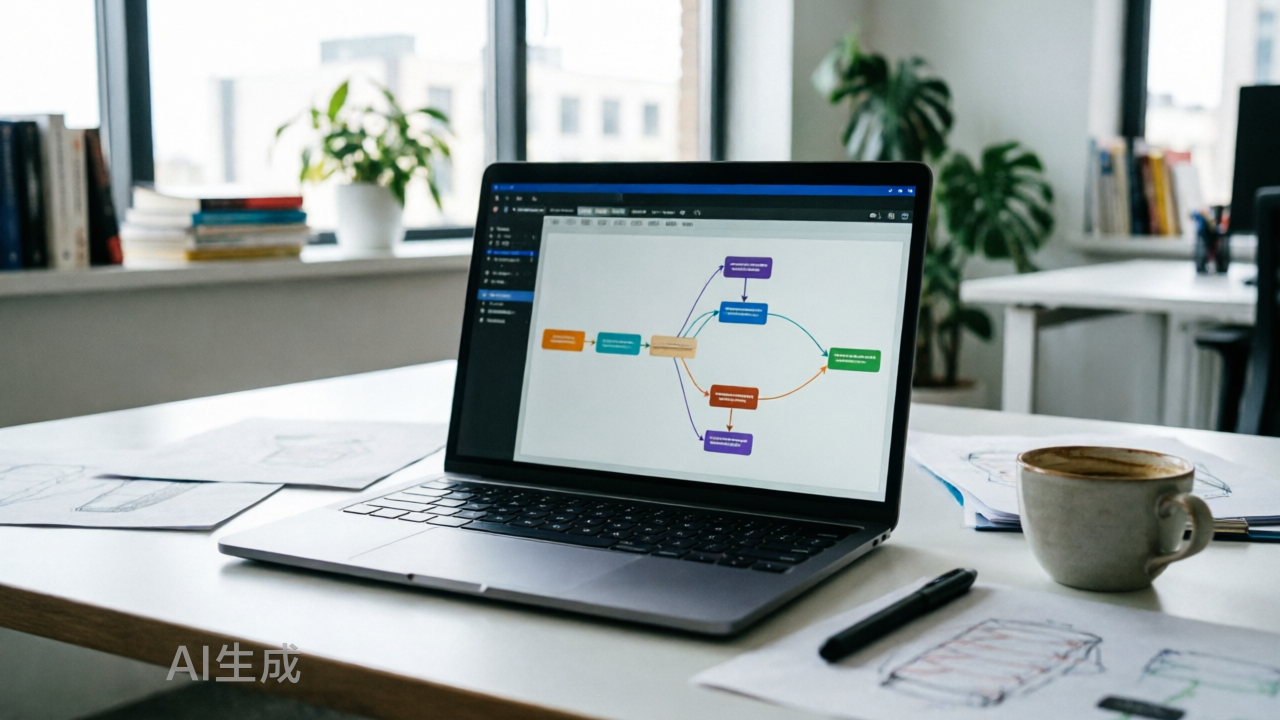
MiniMax Design uses an Agent to orchestrate multiple models for professional content production. Its positioning reflects a broader shift in AI video competition from model capabilities alone toward integrated products and measurable commercial value.

Researchers introduce an open-source benchmark separating olympiad geometry solving from accurate diagram construction. Across 954 problems, current foundation models achieved only a 36.14% average diagram compilation success rate, revealing a substantial gap between mathematical reasoning and faithful visual construction.
FinSkillBench is a new benchmark for testing AI agents on portfolio construction, risk management, and fundamental analysis. Across nine models, curated procedural skills raised mean performance from 0.366 to 0.528, while self-generated skills delivered little benefit.

Xiaomi stabilized in Q2 2026 while expanding its AI strategy across models, chips, and robotics. Its MiMo-V2.5 model led OpenRouter call charts, the Xuanjie chip passed mass verification, and a humanoid robot began factory operations with a reported 98% success rate.