⚙️
Tesla's $25B AI Spending Surge
Tesla plans $25 billion more spending to fuel Elon Musk's AI ambitions. Intel shares rise after pledging support for Musk's Terafab chip project. Lyft CEO discusses international expansion via Gett acquisition.
Tag: #chips32 results
Tesla plans $25 billion more spending to fuel Elon Musk's AI ambitions. Intel shares rise after pledging support for Musk's Terafab chip project. Lyft CEO discusses international expansion via Gett acquisition.
Google plans to announce new TPUs optimized for AI inference this week. Bloomberg's Dina Bass explains differentiators and Google's competitive edge on Bloomberg Tech.

Google in talks with Marvell for custom AI chips: memory processing unit and inference-optimized TPU. Diversifies supply chain beyond Broadcom and MediaTek. No signed contract yet, follows Broadcom deal.
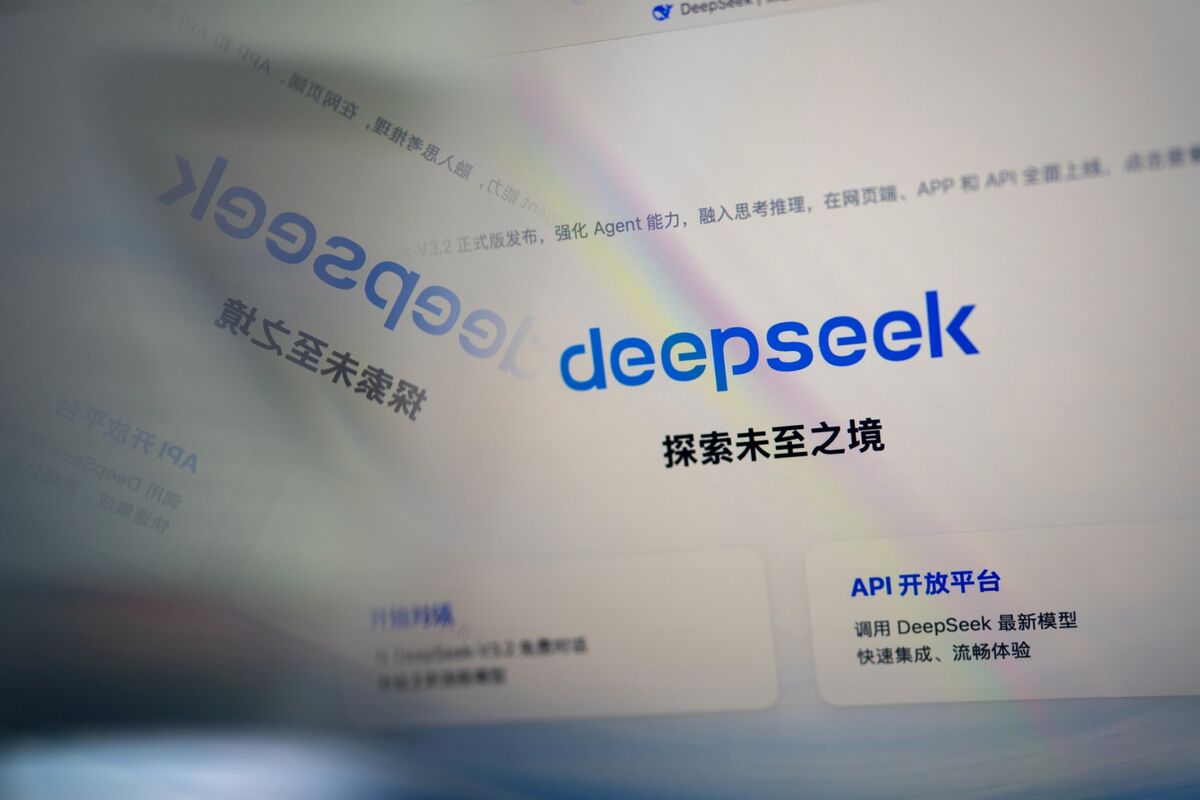
Chinese AI startup DeepSeek is hiring two data center engineer roles in Inner Mongolia. The company reportedly relies on prohibited Nvidia Blackwell chips there. This signals expansion of AI infrastructure.
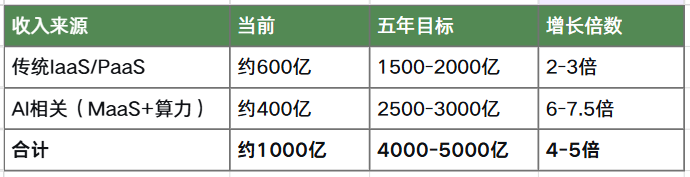
Alibaba targets $100B in AI revenue within five years, achieving a 45% CAGR from $14B base—double its past rate. Success depends on overcoming bottlenecks in chips, government-enterprise adoption, and tokens. Pingtouge serves as Alibaba's key chip differentiator.
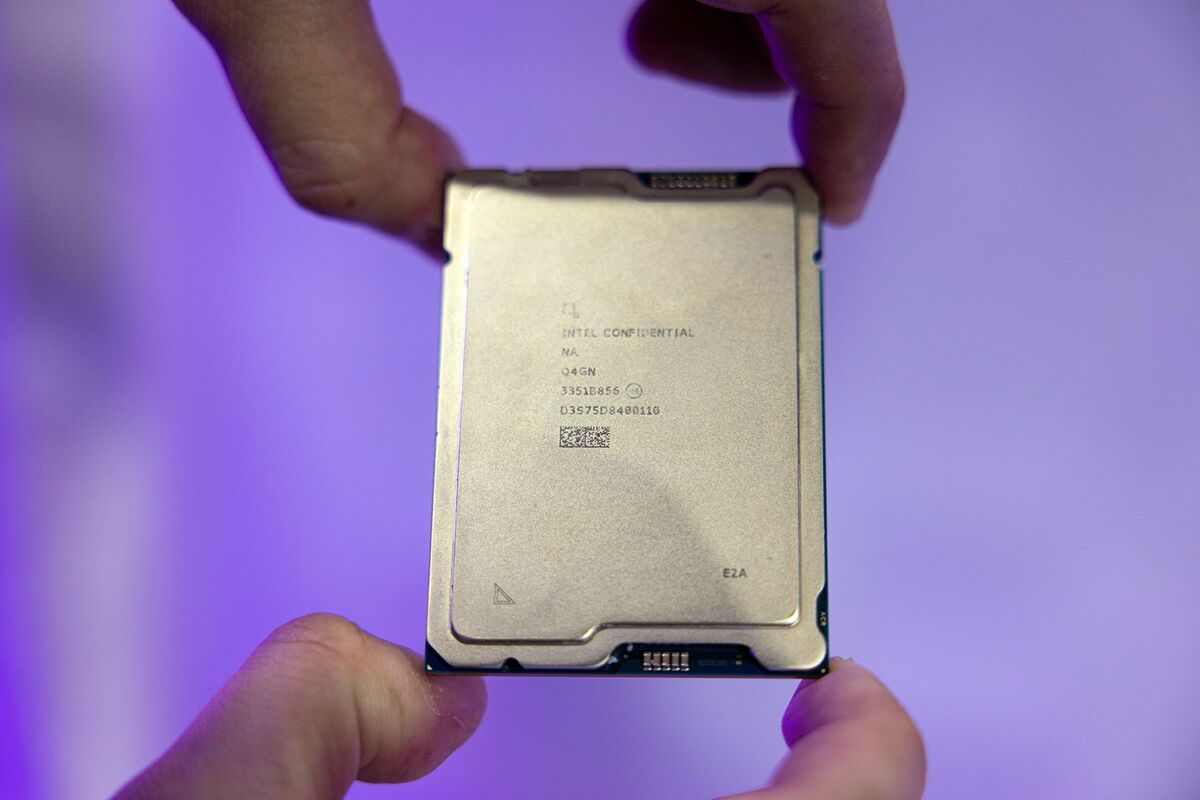
Intel secured Google's commitment to deploy future Xeon processors in data centers. This partnership boosts Intel's presence in the data center market amid competition.
DeepSeek announces V4 multimodal model using fully domestic chips, bypassing Nvidia. Chinese firms optimize algorithms like MoE to cut costs and advance国产 chips for training. This marks a shift from inference to full training on non-Nvidia hardware.

Nvidia has overtaken Apple to become TSMC's top revenue contributor. CEO Jensen Huang publicly confirmed Nvidia as TSMC's 'number one customer.' In TSMC reports, Nvidia now holds the 'A customer' position.
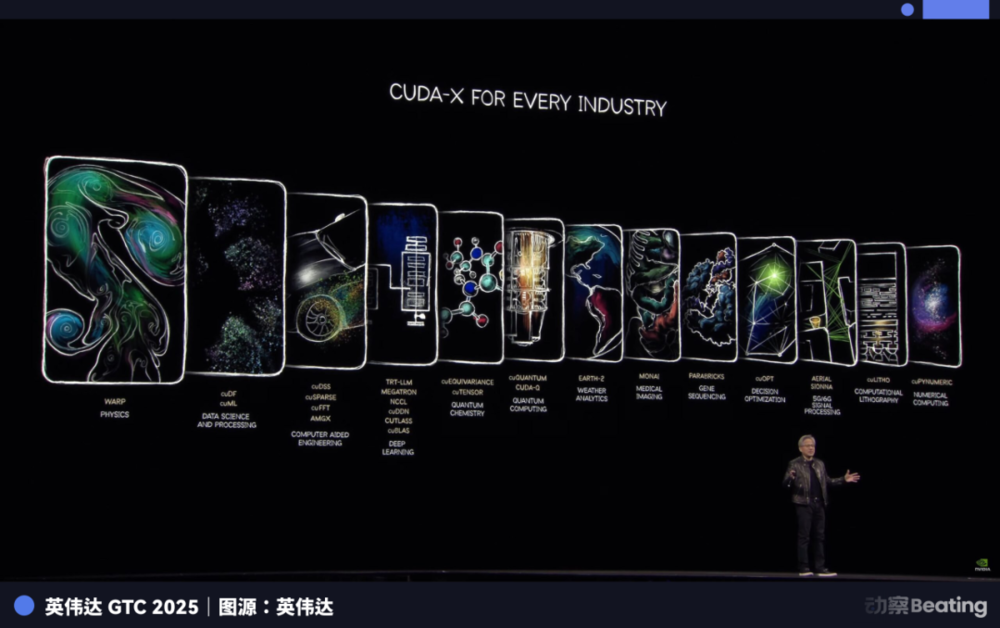
Nvidia's FY2026 revenue hit $215.9B, but China dropped from $17.1B to $60M post-export bans on H20 chips. Domestic Chinese AI chips like Cambricon surged, capturing 35% market share. Nvidia views China as optional amid CUDA lock-in.

The article argues that semiconductor equipment is not a secondary player but the fundamental infrastructure determining the upper limits of the industry. It highlights the importance of platform-scale companies in this sector.