Google Commits to Future Intel Xeon Chips
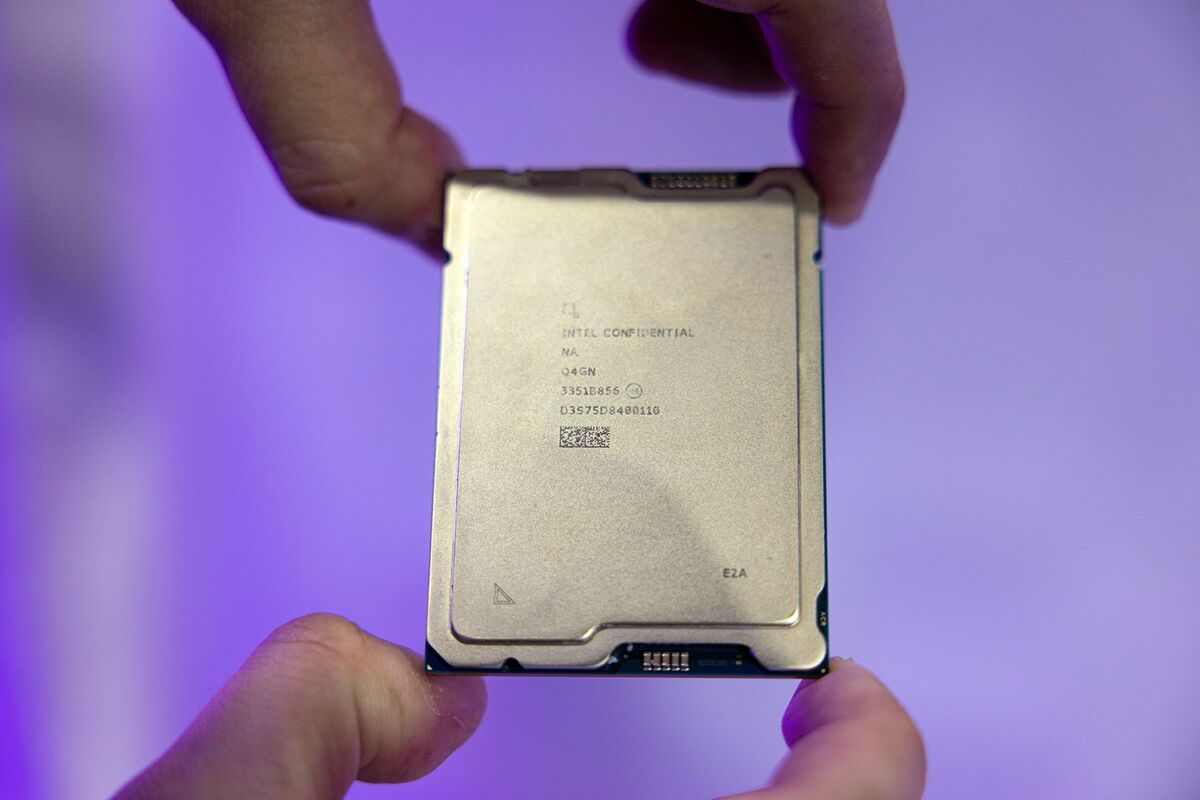
💡Google's Xeon bet validates Intel for AI data centers amid chip wars
⚡ 30-Second TL;DR
What Changed
Google commits to future generations of Intel Xeon processors
Why It Matters
Strengthens Intel's data center foothold, potentially stabilizing supply for AI workloads. Signals Google's multi-vendor chip strategy.
What To Do Next
Benchmark Xeon Scalable processors against AMD EPYC for your AI cluster builds.
Key Points
- •Google commits to future generations of Intel Xeon processors
- •Focus on data center deployments
- •Intel promotes its chips against rivals like AMD
🧠 Deep Insight
AI-generated analysis for this event — not the original article.
🔑 Enhanced Key Takeaways
- •The commitment centers on Intel's 'Clearwater Forest' E-core Xeon processors, which utilize the Intel 18A process node to improve power efficiency for hyperscale cloud workloads.
- •This deal marks a strategic pivot for Google, which had previously increased its reliance on custom-designed Arm-based Axion processors for internal data center operations.
- •Intel's agreement includes a co-engineering component where Google provides feedback on silicon architecture to optimize Xeon chips specifically for Google Cloud's software-defined infrastructure.
📊 Competitor Analysis▸ Show
| Feature | Intel Xeon (Clearwater Forest) | AMD EPYC (Turin) | Google Axion (Arm) |
|---|---|---|---|
| Architecture | x86 (E-core focus) | x86 (Zen 5) | Arm Neoverse V2 |
| Process Node | Intel 18A | TSMC 3nm | TSMC 3nm |
| Primary Strength | Ecosystem compatibility | Core density/Performance | Power efficiency/Customization |
🛠️ Technical Deep Dive
- •Clearwater Forest utilizes Intel's 18A process technology, featuring RibbonFET gate-all-around transistors and PowerVia backside power delivery.
- •The architecture employs a modular chiplet design, allowing for high-density E-core configurations optimized for throughput-heavy cloud tasks.
- •Integration with Intel's Advanced Packaging (Foveros) enables high-bandwidth interconnects between compute tiles and I/O dies to reduce latency in multi-socket server configurations.
🔮 Future ImplicationsAI analysis grounded in cited sources
⏳ Timeline
Weekly AI Recap
Read this week's curated digest of top AI events →
👉Related Updates
AI-curated news aggregator. All content rights belong to original publishers.
Original source: Bloomberg Technology ↗
This is a summary, not the original. Read the source, or get the weekly briefing.
The weekly digest
One email a week. Unsubscribe anytime.