💼
Anthropic Eyes SpaceX-Sized IPO
Anthropic reportedly expects its initial public offering to match or exceed SpaceX’s record-setting IPO size. Preparations for the AI company’s debut are accelerating, according to people familiar with the matter.
10 results on this page
Anthropic reportedly expects its initial public offering to match or exceed SpaceX’s record-setting IPO size. Preparations for the AI company’s debut are accelerating, according to people familiar with the matter.
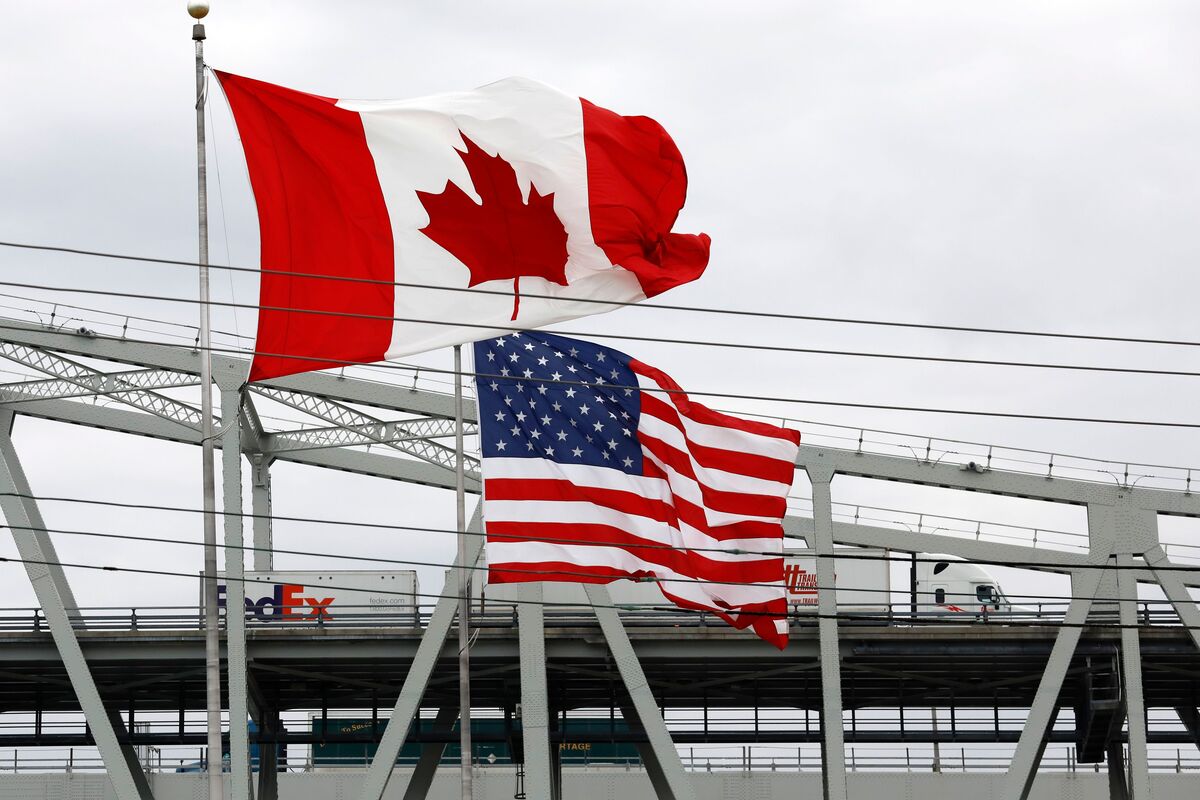
The US Trade Representative’s reference to “digital trade alignment” in talks with Prime Minister Mark Carney’s government is raising concerns in Canada. Critics worry the agreement could limit Canada’s ability to independently regulate technology companies and AI.

Waymo has developed a custom chip designed to improve the performance of its robotaxis. The chip also reduces the company’s reliance on third-party suppliers such as Nvidia.
Chinese AI companies are optimising software to handle growing inference demand while access to high-end Nvidia processors remains limited. Domestic chips can support some inference workloads, but complex coding tasks still depend partly on scarce Nvidia capacity.
Meta Platforms has reportedly become one of Microsoft’s largest AI customers. The development suggests that demand for emerging AI technology remains heavily concentrated among major technology companies.
Moonshot and ZAI are reportedly approaching the performance of models from OpenAI and Anthropic. The models can reportedly build passable websites at a cost 75% lower than Claude, highlighting potential advantages in cost-sensitive coding workflows.
Ant Group’s quarterly profit barely grew after the company increased spending on artificial intelligence. The investments target healthcare, large language models, and payment services, while expansion costs also pressured results.
Alibaba Group reported a 9% revenue increase as growing AI development in China boosted demand for computing capacity from its cloud business. The results highlight how AI infrastructure demand is supporting Alibaba’s broader growth.

Lightelligence is shifting from computing with light to connecting with light, signaling a more pragmatic focus on photonic interconnects. Despite strong investor enthusiasm following a 383.62% first-day stock surge in Hong Kong, the company faces concentrated customers, slow receivables, declining margins, and supply-chain risks.
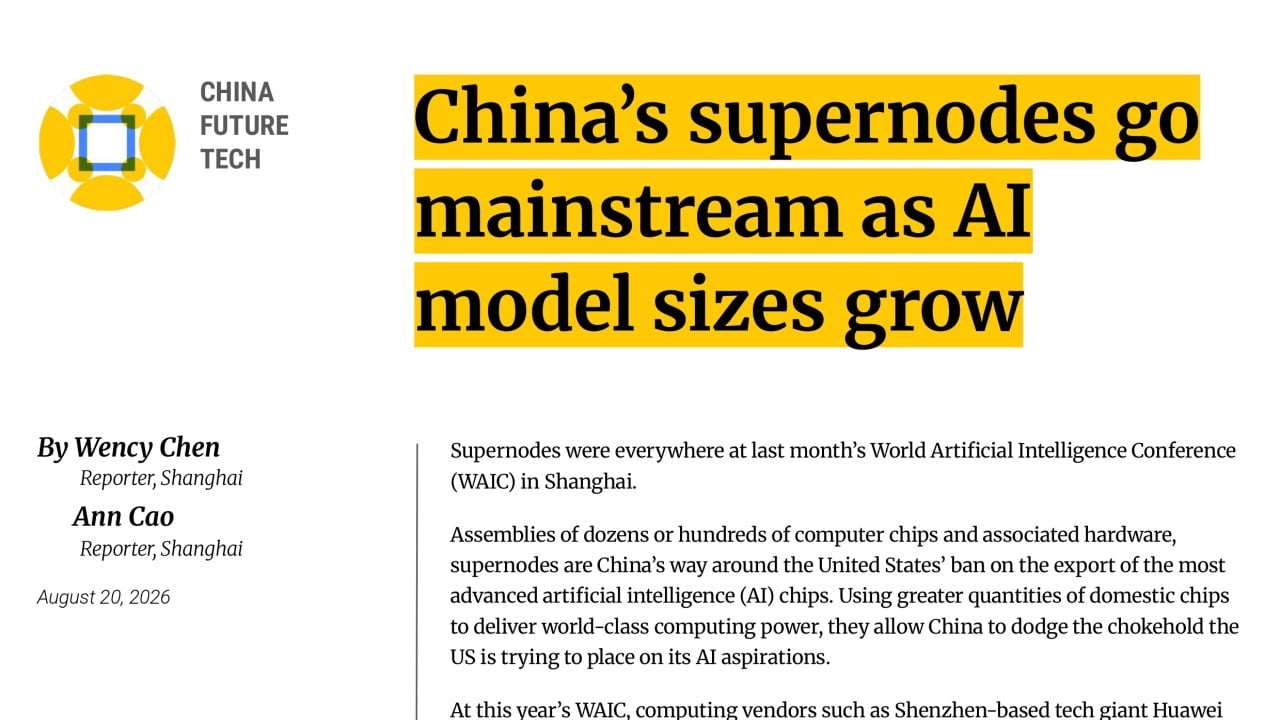
China is increasingly deploying supernodes—clusters of dozens or hundreds of chips and supporting hardware—to scale AI computing. By combining larger quantities of domestic chips, these systems aim to deliver competitive performance despite US export restrictions on advanced AI chips.