
Alibaba XuanTie 9 Series Now Supports Android
Alibaba DAMO Academy's XuanTie 9 series processors have successfully adapted to Android 16. This milestone marks a significant step for RISC-V architecture in commercial Android ecosystem deployment.
Tag: #risc-v12 results
Alibaba DAMO Academy's XuanTie 9 series processors have successfully adapted to Android 16. This milestone marks a significant step for RISC-V architecture in commercial Android ecosystem deployment.
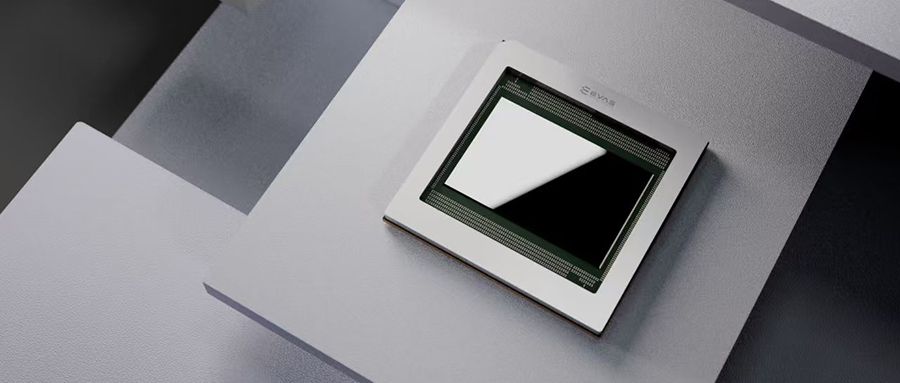
Chinese startup Yixing Intelligence raised RMB 1.5 billion ($210 million) in Series B funding. The investment targets advancement of its RISC-V-based AI computing platform. This strengthens open-architecture AI hardware in China.

Chip startup SiFive secured $400 million funding led by Atreides Management. Funds will expand its foothold in AI data centers.

Zhichuangxin, founded by former Alibaba T-Head executives, has raised Pre-A funding to advance RISC-V chip development. The company is partnering with DeepLink (Shenkaihong) to build a 'dual-open' ecosystem combining RISC-V hardware with the OpenHarmony operating system.
Hardware creator Bitluni has developed an experimental GPU by daisy-chaining 64,000 RISC-V microcontrollers. Each chip acts as a pixel processor, creating a massive self-illuminating computing array.

The Linux kernel has increased the default NR_CPUS limit for RISC-V 64-bit architecture from 64 to 256 to accommodate the growing demand for high-performance RISC-V servers. This change ensures better scalability for emerging server hardware without significant memory overhead.

Tenstorrent announces QuietBox 2, bringing RISC-V based AI inference to desktops. This hardware targets efficient local AI processing in a compact form factor.
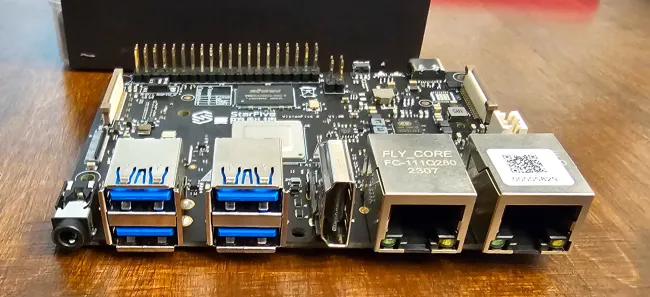
NetBSD 11.0 has been officially released, marking its nineteenth major version. The update introduces native support for 64-bit RISC-V architecture and enhances compatibility with Linux system calls.

DaPuWei's stock skyrocketed 10x in 14 trading days post-IPO, from 46.08 yuan to 504.81 yuan per share. This propelled its market cap to 200 billion yuan. The rapid rise highlights investor enthusiasm for Chinese AI chipmakers.

Qunhe Technology, from Hangzhou's 'Six Little Dragons' cluster, achieves the group's first IPO. This milestone unveils the expanding map of Hangzhou's hard tech landscape.