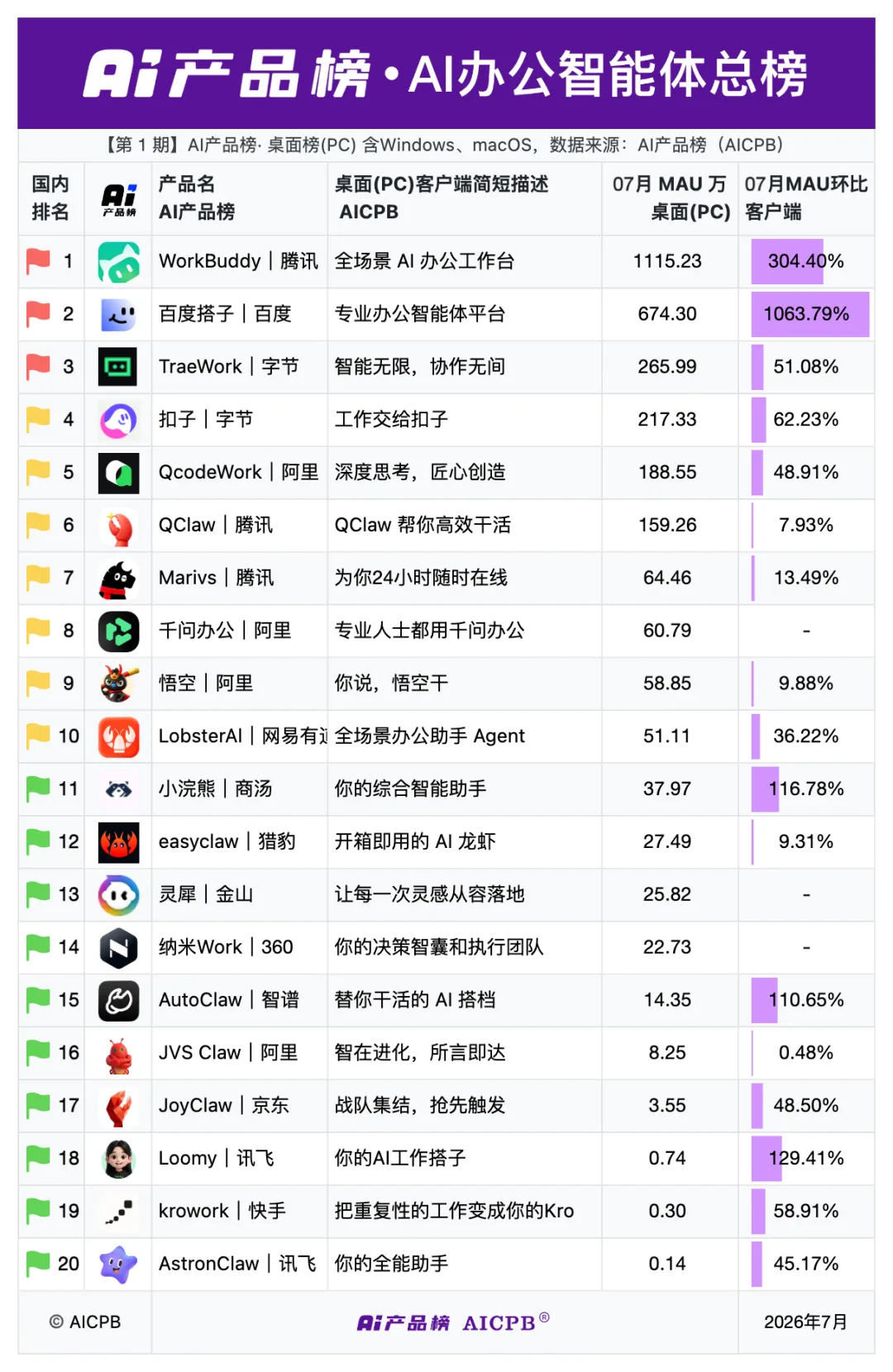
AI办公竞速:腾讯百度先行
文章聚焦 Tencent 与 Baidu 在 AI 办公领域的竞争态势。标题信息显示,两家公司正在加速布局相关产品与应用,但未披露具体功能或发布时间。
Tag: #cost-reduction43 results
文章聚焦 Tencent 与 Baidu 在 AI 办公领域的竞争态势。标题信息显示,两家公司正在加速布局相关产品与应用,但未披露具体功能或发布时间。

Anthropic has released Claude Opus 5, targeting developers and enterprises with improved coding and reasoning capabilities. The model offers near-Fable performance while significantly reducing costs for users.
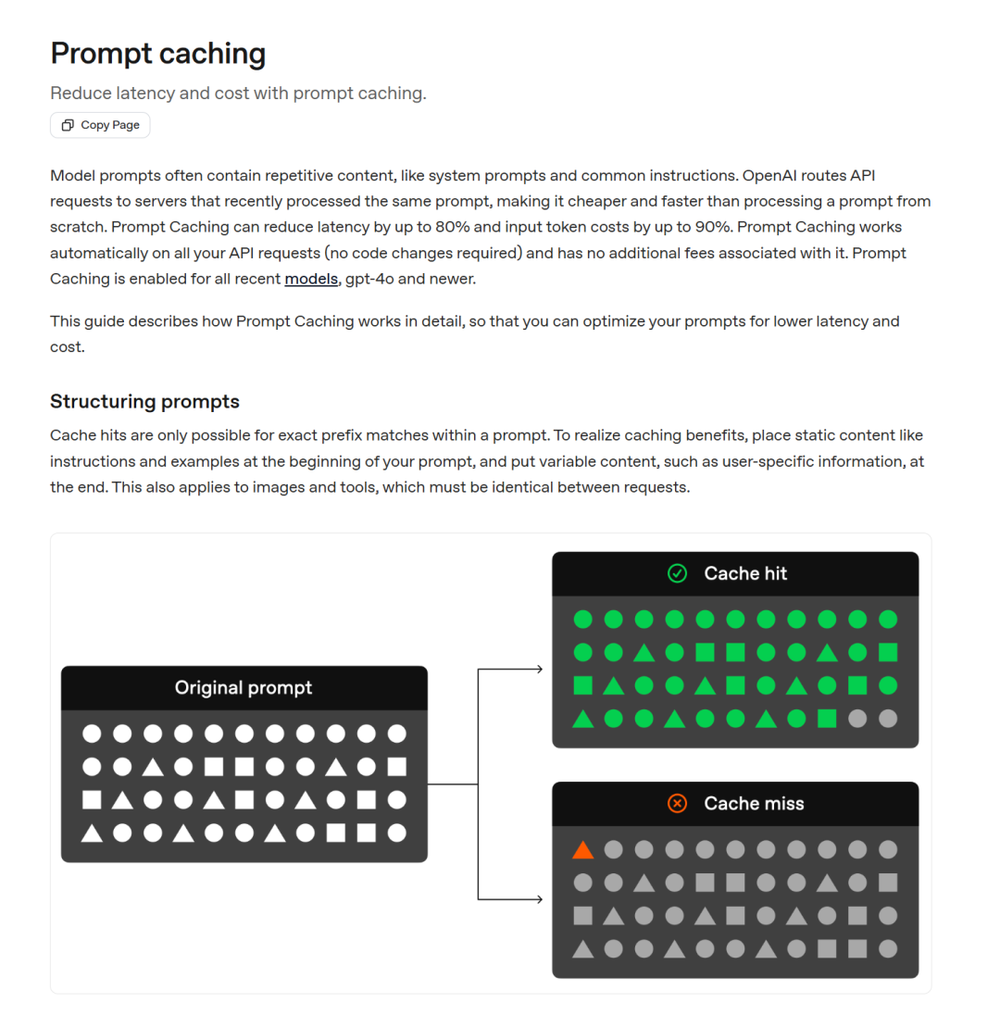
OpenAI is reportedly developing a new architecture to optimize KV cache, aiming to significantly reduce inference costs and GPU requirements. This move mirrors strategies previously explored by DeepSeek to improve memory efficiency.

Sapient researchers developed HRM-Text, a sample-efficient model using Hierarchical Recurrent Models instead of standard Transformers. This approach allows organizations to pretrain capable reasoning models from scratch at a fraction of the cost of traditional LLMs.

Baidu has released Wenxin 5.1, achieving top domestic search capabilities while keeping pre-training costs at just 6% of industry averages. The model features comprehensive upgrades in search, knowledge retrieval, and Agent functionalities.
Alibaba released Qwen3.5-Omni, a multimodal model surpassing Gemini-3.1 Pro in capabilities. Input pricing is under 0.8 yuan per million tokens, roughly 1/10th of Gemini-3.1 Pro's cost.

Google's Gemini 3.1 Pro doubles its reasoning score. Anthropic's Sonnet 4.6 offers near-Opus quality at one-fifth the price. OpenAI ships Codex on custom silicon, while Mistral builds a billion-dollar AI cloud in Sweden.

ZML has released ZML/LLMD, a new software tool designed to optimize and speed up AI inference across various hardware chips. The startup is backed by Turing Award winner Yann LeCun and aims to reduce the overall cost of running AI models.
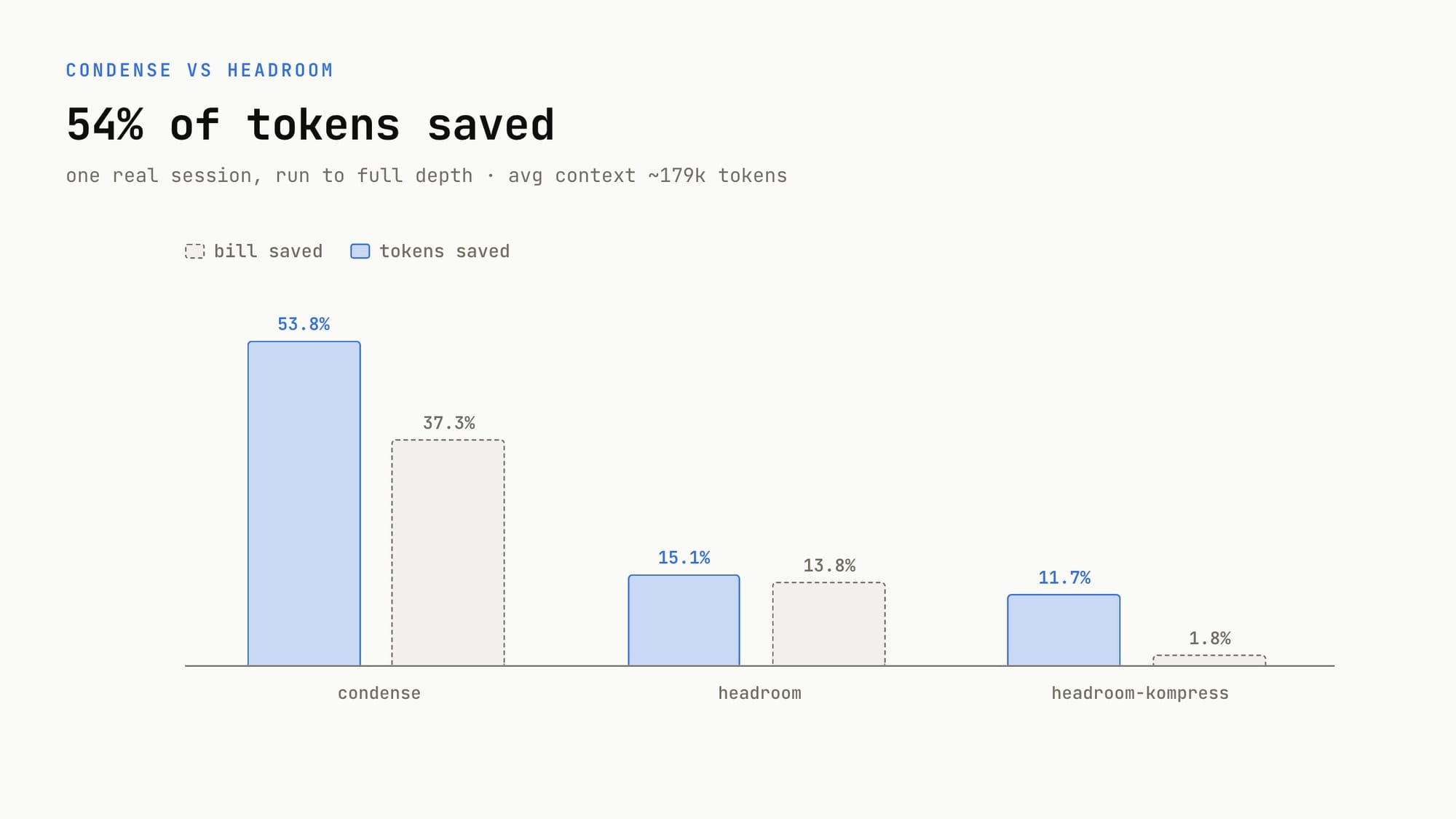
Condense.chat has released a new proxy service designed to compress context for AI coding agents. By utilizing two in-house models, it can reduce token consumption and associated costs by up to 72% during deep coding sessions.
Chinese AI startup DeepSeek has introduced DSpark, a speculative decoding framework designed to accelerate response generation for its V4 model. This update aims to reduce inference bottlenecks and lower serving costs for AI systems.