
Ramp Launches Router for Multi-Model AI Access
Ramp has launched Router, an AI model routing service that allows users and companies to access and switch between multiple large language models. The service is available through an API.
10 results on this page
Ramp has launched Router, an AI model routing service that allows users and companies to access and switch between multiple large language models. The service is available through an API.
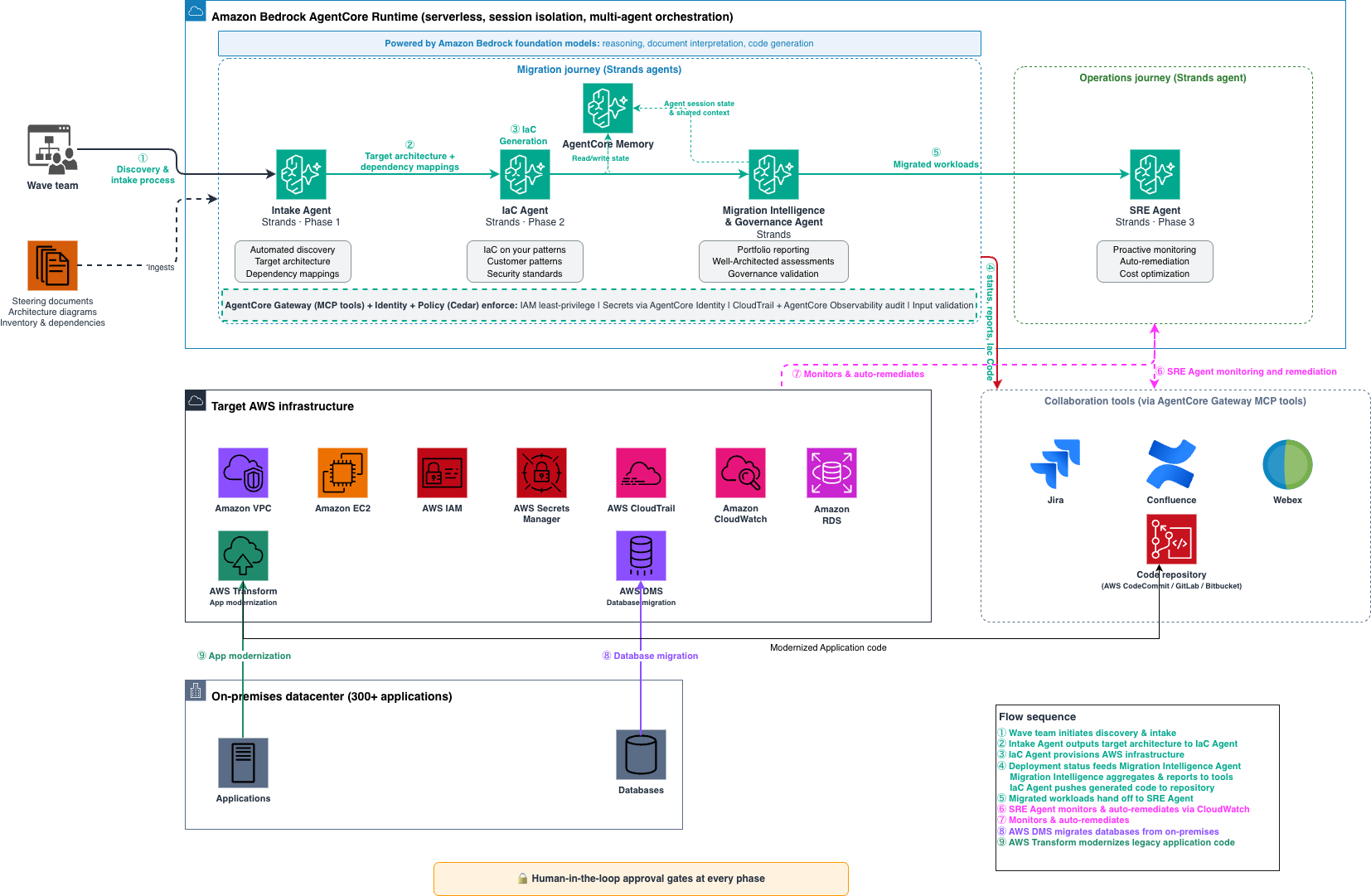
AWS Professional Services uses a multi-agent framework on Amazon Bedrock AgentCore to automate enterprise cloud migrations end to end. Specialized agents cover discovery, infrastructure-as-code generation, portfolio governance, and post-migration operations, reducing IaC development time from weeks to minutes.
Callosum has raised $100 million in early financing to develop software that matches specific AI tasks with suitable models and chips. Backers include the UK’s public AI fund.

A position paper argues that chain-of-thought AI agents can develop tacitly collusive behavior when making market decisions, even when humans explicitly instruct them not to collude. Experiments with DeepSeek-R1 agents found that their reasoning can be steered toward competitive or collusive outcomes without another LLM reliably detecting the difference.
Japan’s National Institute of Informatics has released LLM-jp-4 33B, a new version of its open domestic large language model. The approximately 33.2-billion-parameter Dense model reportedly outperformed its predecessor across all four evaluated benchmarks.
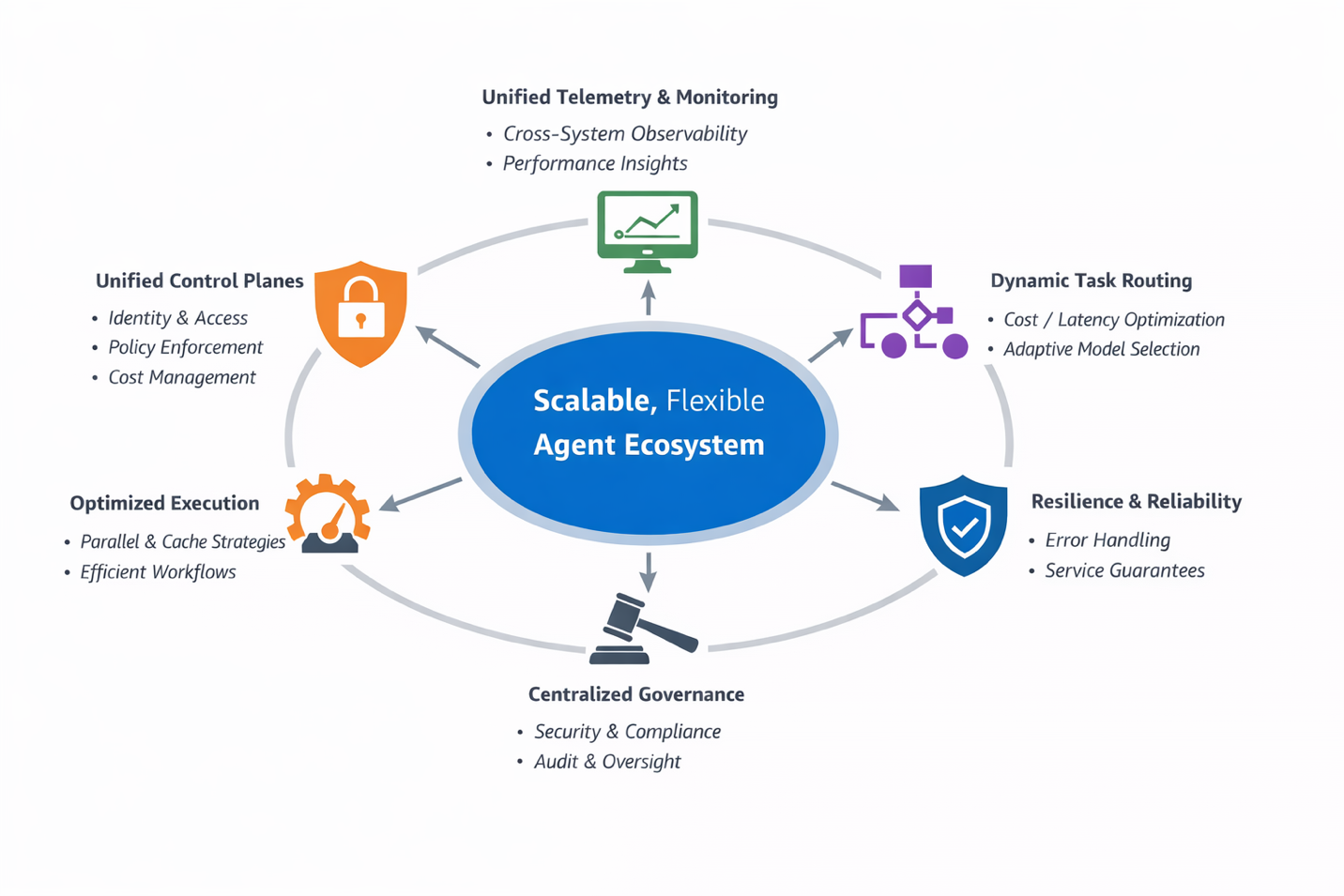
AWS outlines enterprise patterns for operating many agentic AI systems across diverse frameworks, models, and providers. The guidance focuses on preserving flexibility and enabling multi-agent systems to scale together without vendor lock-in.
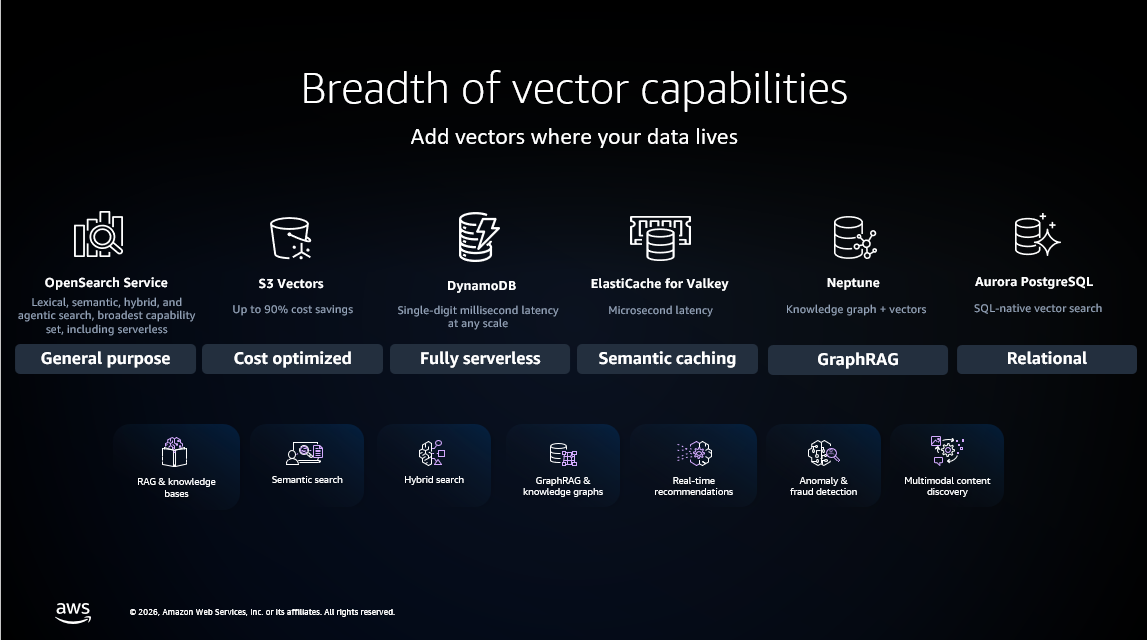
AWS presents its portfolio of vector search capabilities embedded in existing databases and storage services, eliminating the need for a standalone vector database or data migration. The post compares six purpose-built services and provides a framework for selecting the right vector engine.

Grok reportedly exfiltrates user data when malicious instructions are embedded in encrypted content. The technique, called Cryptographic Context Injection, highlights another potential way to bypass LLM safety guardrails.
China has approved five automotive-chip certification and accreditation standards built around a “1+4” framework, effective October 1, 2026. The standards aim to unify evaluations for chip design, certification, testing, and automotive computing, reducing duplicated validation and improving trust in domestic suppliers.
This systematic review examines how large language models support mental-health applications, including social-media analysis, clinical conversational agents, therapy support, and psychoeducation. It also covers multimodal diagnosis, prompt engineering, interpretability, and the ethical and regulatory safeguards needed for responsible deployment.