來源SCMP Technology•較早收集於 0m
中國晶片產能擴張威脅 AI 記憶體熱潮
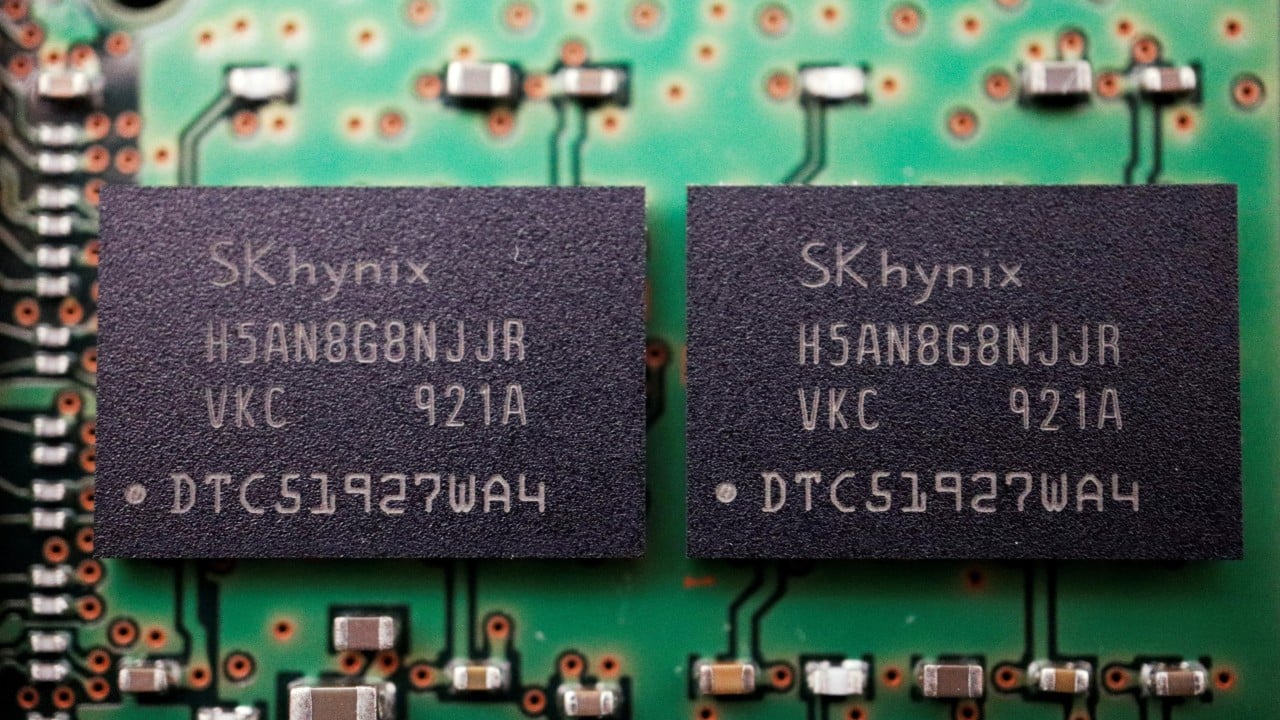
了解中國晶片產能如何影響 2027 年 AI 運算硬體的成本與供應狀況。
30 秒速覽
有什麼變化
中國晶片製造商正積極擴大產能。
為什麼重要
若記憶體晶片價格因供過於求而穩定或下跌,訓練大型 AI 模型的成本可能會降低,進而降低 AI 基礎設施開發的門檻。
下一步行動
多元化您的硬體採購策略,並監控 HBM 供應鏈報告,以對沖 AI 基礎設施潛在的價格波動風險。
誰應關注:Founders & Product Leaders
關鍵要點
- •中國晶片製造商正積極擴大產能。
- •AI 記憶體晶片的「超級週期」可能在 2027 年失去動能。
- •全球科技公司預計將削減支出,影響未來需求。
- •Samsung Electronics 建議對長期市場穩定性保持謹慎。
深度解析
背景與延伸:來自公開資料,非原文內容。引用 23 個來源。
增強重點摘要
- •Chinese chipmakers, specifically ChangXin Memory Technologies (CXMT) and Yangtze Memory Technologies Co (YMTC), are significantly increasing their DRAM and NAND flash production capacity, with CXMT tripling its monthly DRAM wafer capacity from 2024 to 2025 and YMTC planning new fabs.
- •The current 'AI memory super cycle' is largely fueled by the insatiable demand for High Bandwidth Memory (HBM), with HBM capacity from major global suppliers like SK Hynix, Micron, and Samsung already sold out through 2026.
- •Unlike previous memory cycles, the current shortage is characterized by a structural demand concentration from AI data centers and deliberate capacity constraints by leading memory suppliers, leading to multi-year HBM contracts and a projected persistence of shortages into late 2027-2028 by some analysts.
- •Samsung Electronics, while advising caution, has also reported record profits in Q1 2026 driven by AI memory demand and anticipates the memory supply-demand gap to worsen in 2027, with some customers already securing supply allocations through that year.
- •China's state-backed 'Big Fund' has been instrumental in funding domestic semiconductor companies like YMTC and CXMT since 2014, with a third phase launched in 2024 aiming to raise around $40 billion to further accelerate the industry.
技術深入
- High Bandwidth Memory (HBM) is crucial for AI due to the 'memory wall' bottleneck in large language models, which requires immense bandwidth to move parameters between memory and compute cores.
- HBM utilizes a 2.5D/3D architecture, involving the vertical stacking of multiple DRAM dies using Through-Silicon Vias (TSVs) and placement adjacent to the compute die on a silicon interposer.
- HBM3E, the current production standard, delivers over 1.2 TB/s bandwidth per stack through a 1024-bit interface and 16 independent channels. Micron's HBM3E, for instance, achieves pin speeds greater than 9.2 Gbps and offers capacities of 24GB (8-high) or 36GB (12-high).
- The production of HBM is significantly more complex and capital-intensive than conventional DRAM, requiring approximately three times the wafer output due to additional process steps like wafer thinning and chip stacking.
- HBM4 is anticipated to enter mass production in 2026, aiming for a bandwidth of 2.0 TB/s or more by doubling the interface width to 2048-bit while maintaining data transfer rates above 8.0 Gbps.
- Chinese memory makers like CXMT are advancing their DDR5 technology, with products supporting speeds up to 8000 MT/s and die densities of 16Gb and 24Gb, though they are currently one generation behind the most advanced 32Gb DDR5 chips from global leaders.
前景展望基於引用來源的 AI 分析
The traditional boom-and-bust cycle of the memory industry may be fundamentally altered by AI demand.
AI's insatiable and structurally concentrated demand for high-performance memory, particularly HBM, suggests a sustained demand premium rather than temporary spikes, making memory a critical input for intelligence akin to energy.
Chinese chipmakers will significantly increase their global market share in both DRAM and NAND.
Aggressive state-backed investments and rapid capacity expansion by companies like YMTC and CXMT, coupled with a current market environment favorable to volume, position them to gain substantial share, with YMTC potentially becoming the third-largest NAND manufacturer by late 2026.
Consumer electronics and non-AI server markets will continue to face elevated memory prices and potential supply constraints.
The reallocation of manufacturing capacity and resources by major memory producers towards high-margin AI memory (HBM) is tightening supply for conventional DRAM and NAND, impacting prices and availability for other sectors.
時間線
2014-09
China launches the National Integrated Circuit Industry Investment Fund ('Big Fund') to support domestic semiconductor development.
2016
Yangtze Memory Technologies Corp (YMTC) and ChangXin Memory Technologies (CXMT) are founded, becoming key players in China's memory chip industry.
2023-10
China's 'Big Fund' makes significant investments in memory chip companies like Changxin Xinqiao (linked to CXMT) and Yangtze Memory Technologies (YMTC).
2024-Q4
Chinese vendors begin selling DDR5 products based on domestically made DRAM chips, marking commercial availability beyond demonstration.
2025-Q4
DRAM spot prices nearly triple from a year earlier, and Samsung implements significant price increases for memory.
2026-Q1
Samsung Electronics reports record financial performance, with semiconductor profits soaring due to strong AI memory demand and rising prices.
- 2014-09China launches the National Integrated Circuit Industry Investment Fund ('Big Fund') to support domestic semiconductor development.
- 2016Yangtze Memory Technologies Corp (YMTC) and ChangXin Memory Technologies (CXMT) are founded, becoming key players in China's memory chip industry.
- 2023-10China's 'Big Fund' makes significant investments in memory chip companies like Changxin Xinqiao (linked to CXMT) and Yangtze Memory Technologies (YMTC).
- 2024-Q4Chinese vendors begin selling DDR5 products based on domestically made DRAM chips, marking commercial availability beyond demonstration.
- 2025-Q4DRAM spot prices nearly triple from a year earlier, and Samsung implements significant price increases for memory.
- 2026-Q1Samsung Electronics reports record financial performance, with semiconductor profits soaring due to strong AI memory demand and rising prices.
來源 (23)
Factual claims are grounded in the sources below. Forward-looking analysis is AI-generated interpretation.
1techwireasia.comvertexaisearch.cloud.google.com2jiemian.comvertexaisearch.cloud.google.com3introl.comvertexaisearch.cloud.google.com4octopart.comvertexaisearch.cloud.google.com5overclock3d.netvertexaisearch.cloud.google.com6tomshardware.comvertexaisearch.cloud.google.com7chosun.comvertexaisearch.cloud.google.com8pcmag.comvertexaisearch.cloud.google.com9947thebeast.comvertexaisearch.cloud.google.com10wikipedia.orgvertexaisearch.cloud.google.com11techhq.comvertexaisearch.cloud.google.com12trendforce.comvertexaisearch.cloud.google.com13siemens.comvertexaisearch.cloud.google.com14allpcb.comvertexaisearch.cloud.google.com15micron.comvertexaisearch.cloud.google.com16micron.comvertexaisearch.cloud.google.com17wikipedia.orgvertexaisearch.cloud.google.com18medium.comvertexaisearch.cloud.google.com19wccftech.comvertexaisearch.cloud.google.com20scmp.comvertexaisearch.cloud.google.com21uncoveralpha.comvertexaisearch.cloud.google.com22wikipedia.orgvertexaisearch.cloud.google.com23sammyguru.comvertexaisearch.cloud.google.com
AI 週報
閱讀本週精選 AI 大事摘要 →
相關動態

AI 策展新聞聚合。所有內容版權歸原始發布者所有。
原始來源: SCMP Technology ↗
每週電子報
每週一封,可隨時退訂。