Applications
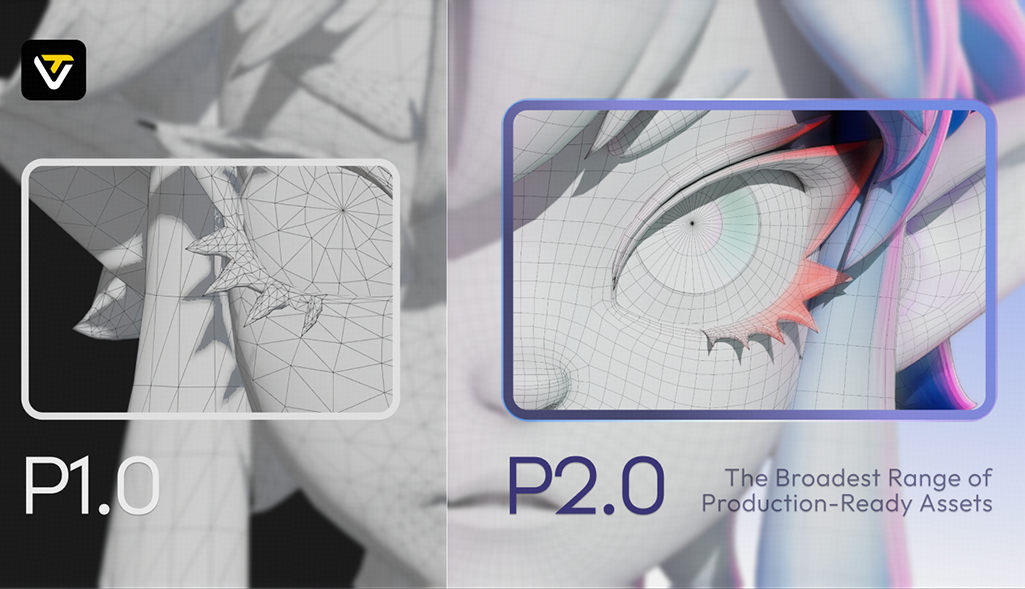
VAST完成57亿元融资,押注AI 3D
AI 3D创业公司 VAST据报道半年累计融资57亿元,并完成30亿元B轮及B+轮融资。公司创始团队曾任职于商汤和MiniMax,显示其获得了较高的资本关注。
钛媒体 · 13d ago
Every story we have kept, newest first.
Looking for the daily editions? → Past editions
Page 35 of 1372
AI 3D创业公司 VAST据报道半年累计融资57亿元,并完成30亿元B轮及B+轮融资。公司创始团队曾任职于商汤和MiniMax,显示其获得了较高的资本关注。
钛媒体 · 13d ago
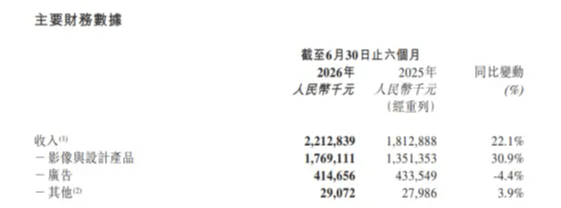
The article compares Alibaba's reported 100 billion yuan AI investment with Meitu's investment of less than 500 million yuan. It highlights a strategic contrast: Alibaba is making a massive AI commitment, while Meitu focuses on specialized vertical experiences rather than general-purpose AI.
钛媒体 · 13d ago

文章分析大模型與 Flash 類輕量化模型的分化:前者持續追求通用智能上限,後者則強調低成本、高效率地進入各行各業的生產流程。這場輕量化競賽背後,也反映模型商業化與算力成本的重新平衡。
钛媒体 · 13d ago
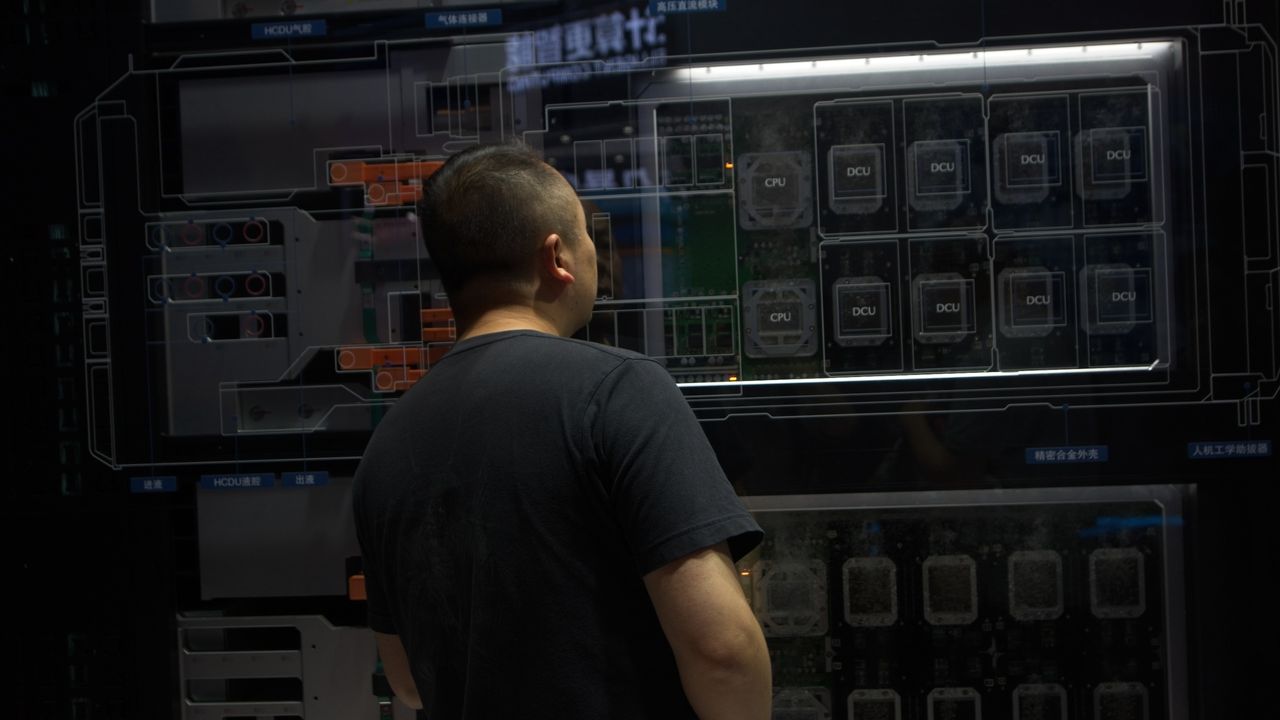
Chinese supercomputer manufacturer Sugon has teased an upcoming mobile workstation designed to handle AI models. The system combines a domestic 64-thread processor with an undisclosed GPU featuring 16GB of VRAM and claims cloud-level performance.
Tom's Hardware · 13d ago
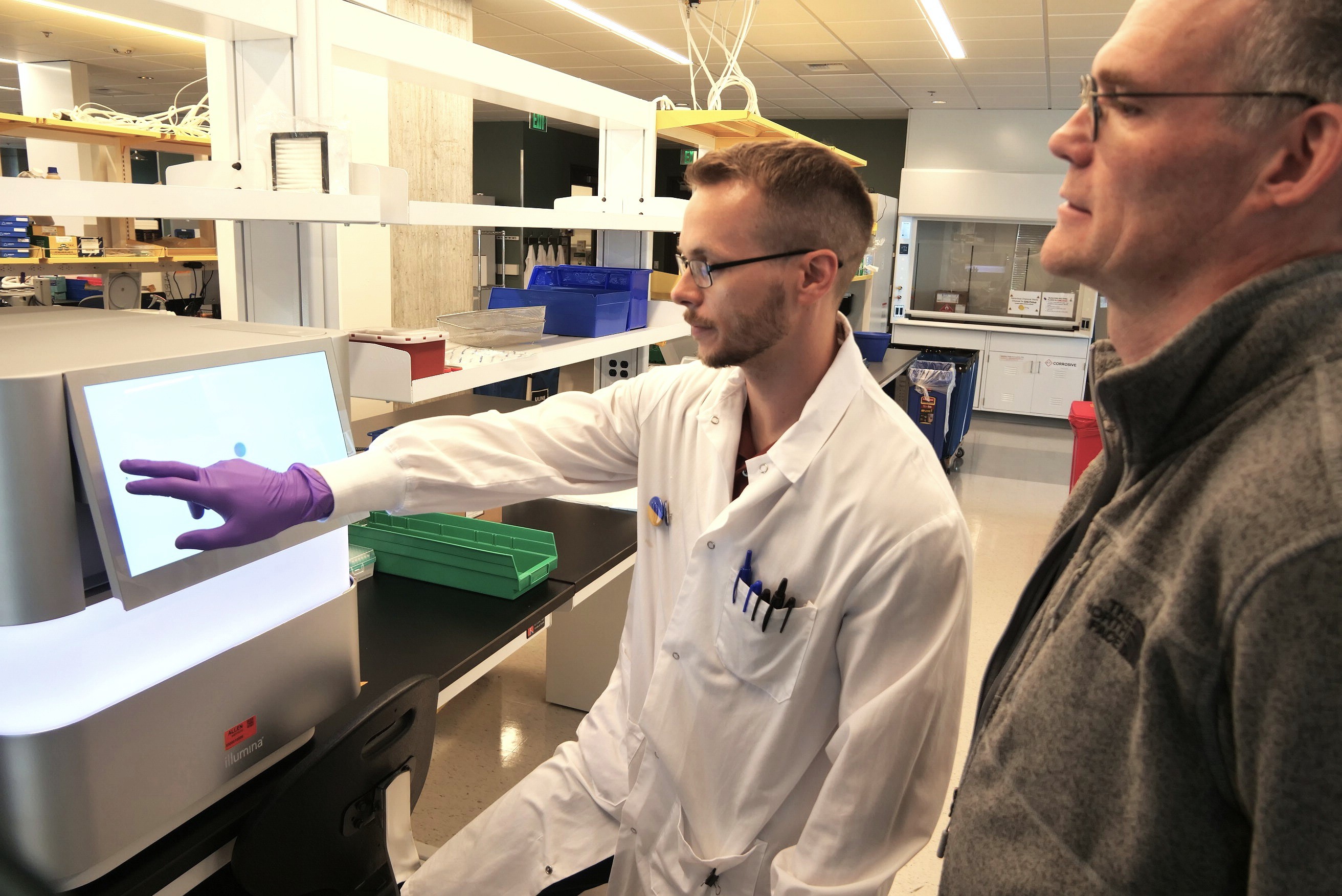
Allen Institute、University of Washington 與 Fred Hutch 正共同啟動一項近 9,500 萬美元的開放科學研究計畫。計畫將生成資料並訓練 AI 模型,設計自然界不存在的蛋白質與基因,成果將免費分享以協助開發新藥物與材料。
GeekWire · 13d ago

The article highlights Meta and Google joining a broader wave of AI product launches. The provided excerpt does not identify the specific products, features, or launch dates involved, and also promotes the unrelated “Proof Project” interview method.
The Neuron · 13d ago

Flock’s AI Search lets police officers search across multiple cameras using a written description of a person. WIRED reconstructed the tool from code delivered to an officer’s browser, revealing how the system supports camera-based person searches.
Wired AI · 13d ago
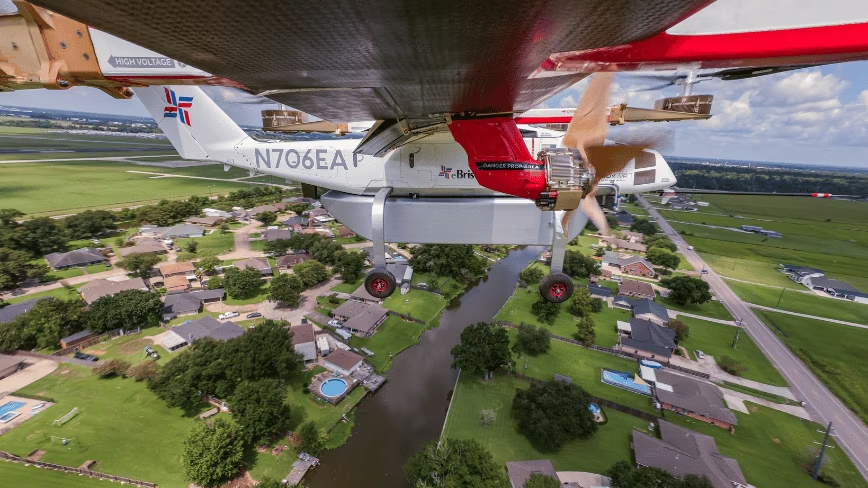
Elroy Air completed autonomous, uncrewed cargo flights from a working Louisiana airport under a federal programme. The aircraft carried spare parts, medical supplies, and water over populated areas without a pilot on board.
The Next Web (TNW) · 13d ago
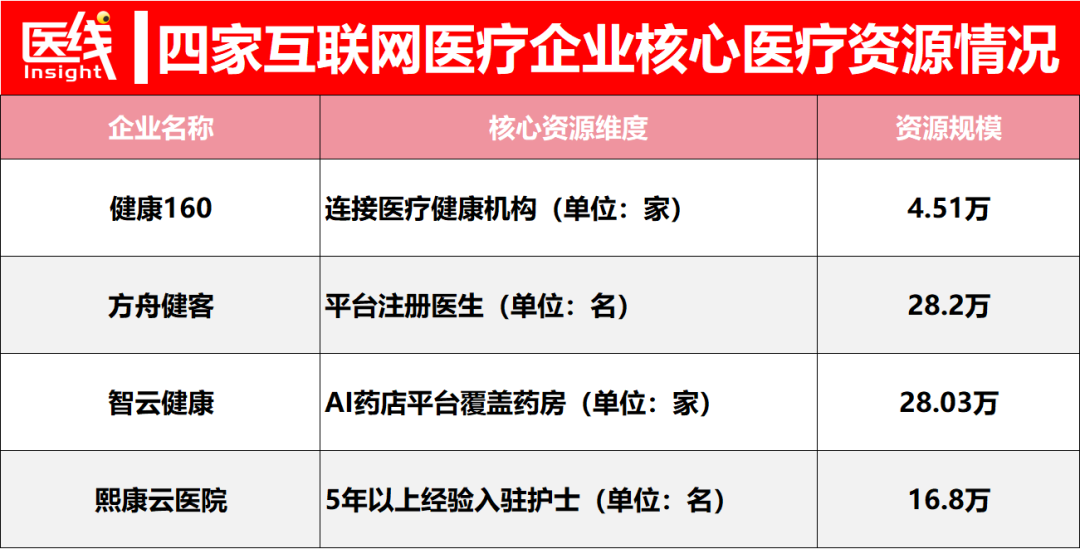
AI is entering labor-intensive workflows across internet healthcare, including prescription review, chronic disease management, operations, dispatching, order intake, and follow-up. Health160, Zhiyun, Fangzhou, and Xikang are presented as early beneficiaries of this shift.
钛媒体 · 13d ago
The article argues that AI agents need machine-verifiable trust data before they can safely execute procurement, payments, contracts, and other high-impact decisions. It proposes trusted data spaces, third-party trust-data MCP servers, and an interoperable trust credential network as the foundation for agentic commerce.
虎嗅 · 13d ago

The article examines the booming market for recruiting scarce AI researchers and engineers, including a reported 10.5-million-yuan compensation package with a 26% headhunter fee. It argues that AI tools can automate resume search, but top-tier recruiting still depends on domain understanding, relationship-building, candidate persuasion, and successful retention.
虎嗅 · 13d ago

The article highlights an unnamed open-source project that gained 3,000 GitHub stars within three months. Its claimed differentiator is adding a capability beyond what MinerU offers.
InfoQ中国 · 13d ago

The article examines Huawei Cloud’s view that traditional data lakehouse architectures may no longer meet the data demands of AI agents. It presents a broader restructuring of data infrastructure for agent-oriented workloads.
InfoQ中国 · 13d ago

China’s first dedicated departmental regulation for micro-dramas has taken effect, placing AI-generated micro-dramas under a tiered regulatory framework. The policy signals a shift from rapid, loosely regulated expansion toward more technology-driven and compliant industry growth.
TechNode · 13d ago

CNAS《主權AI指數》2.0顯示,全球主權AI項目已從2023年的1個增至184個,覆蓋67個國家及歐盟。美國基礎模型仍居主導,但中國模型已透過Qwen與01.AI進入6國,且從零建立模型的項目比例升至約40%。
虎嗅 · 13d ago
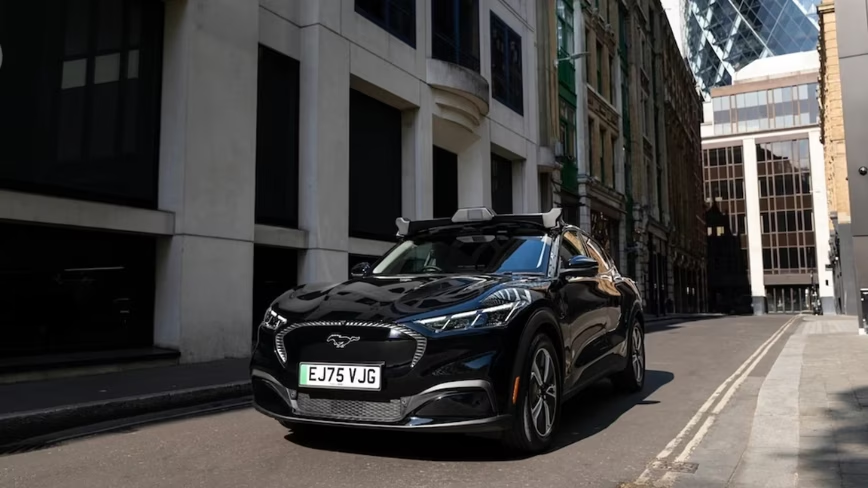
Uber and Wayve have launched London’s first robotaxi service, using Ford Mustang Mach-E vehicles to carry passengers. Each vehicle has a licensed safety driver who can take control when necessary.
The Next Web (TNW) · 13d ago

Anthropic reportedly updated Claude 5.1 with Fable 5.1 and Mythos 5.1, which share the same underlying model but expose different tool permissions and specialized capabilities. A Ramp test showed Fable running unattended for 38 hours while detecting invalid data, restarting experiments, and adapting its plan.
雷峰网 · 13d ago

多位學者討論AI能快速摘要與分析文本,卻可能讓人把閱讀、思考與判斷外包給演算法。文章主張,真正的理解、共情與個人判斷,仍需透過讀者親自與完整文本長時間互動來形成。
虎嗅 · 13d ago
The article examines which investors could profit if Anthropic proceeds with a major public offering. It uses the potential IPO to illustrate how startup investing and ownership structures have changed.
New York Times Technology · 13d ago

A child sexual abuse survivor has sued Elon Musk’s AI company, alleging that Grok used real images from her abuse to generate new illegal images depicting her. Musk denied knowing that Grok had produced naked images of minors.
The Guardian Technology · 13d ago

Dating apps are increasingly adopting facial recognition and biometric scanning to deter scammers and issue “verified human” badges. The approach may improve trust, but it is also raising concerns about surveillance, privacy, and biometric-data handling.
Wired · 13d ago

Microsoft is restructuring its financial reporting from three business segments into two and will disclose quarterly Azure revenue for the first time. The changes are intended to better reflect AI’s growing influence on the company and its operations.
The Verge · 13d ago

Alibaba is using an 80-billion placement, organizational changes, and legacy businesses to reshape its growth strategy around a broader token economy. Its Qwen Office and Qwen app will need to demonstrate that the strategy extends beyond cloud computing.
钛媒体 · 13d ago
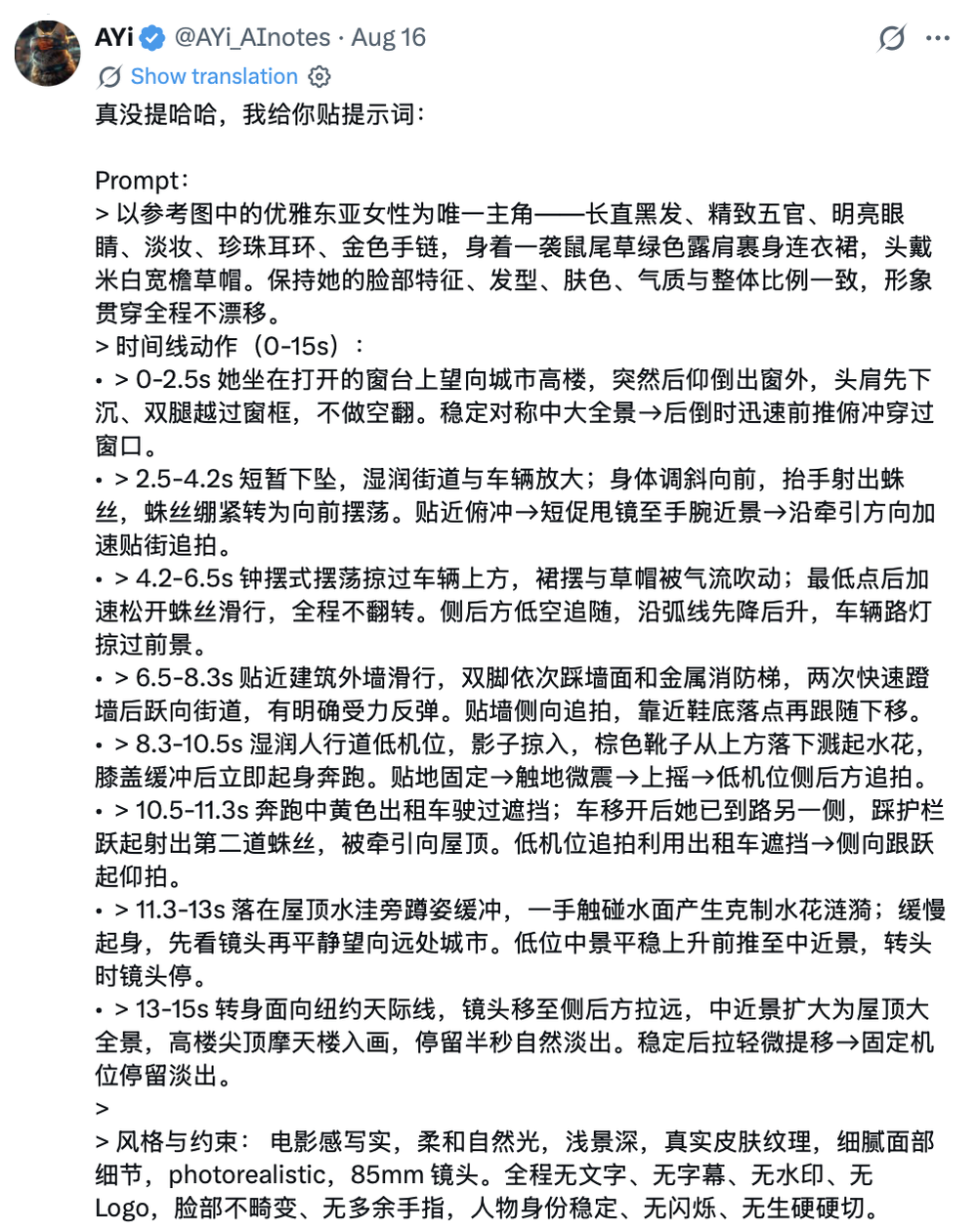
The article examines reports that Grok’s image and video tools frequently add sexualized poses, camera movements, or clothing changes even when prompts are neutral. It attributes the behavior to xAI’s permissive safety posture, NSFW-oriented product positioning, user-generated training signals, and amplification through X, while noting that a rigorous multi-model benchmark is still lacking.
虎嗅 · 13d ago

The article argues that the FTC’s action against Amazon should not be understood solely as an antitrust case. It emphasizes Section 5 of the Federal Trade Commission Act, which can compare business representations with system behavior without requiring proof of monopoly.
钛媒体 · 13d ago

Amazon Web Services 推出規範驅動組合,旨在讓資料工作流透過規範重複使用,而不必依賴複製程式碼。這項更新可望簡化資料流程的建立與維護,降低不同工作流之間的重複開發成本。
InfoQ中国 · 13d ago
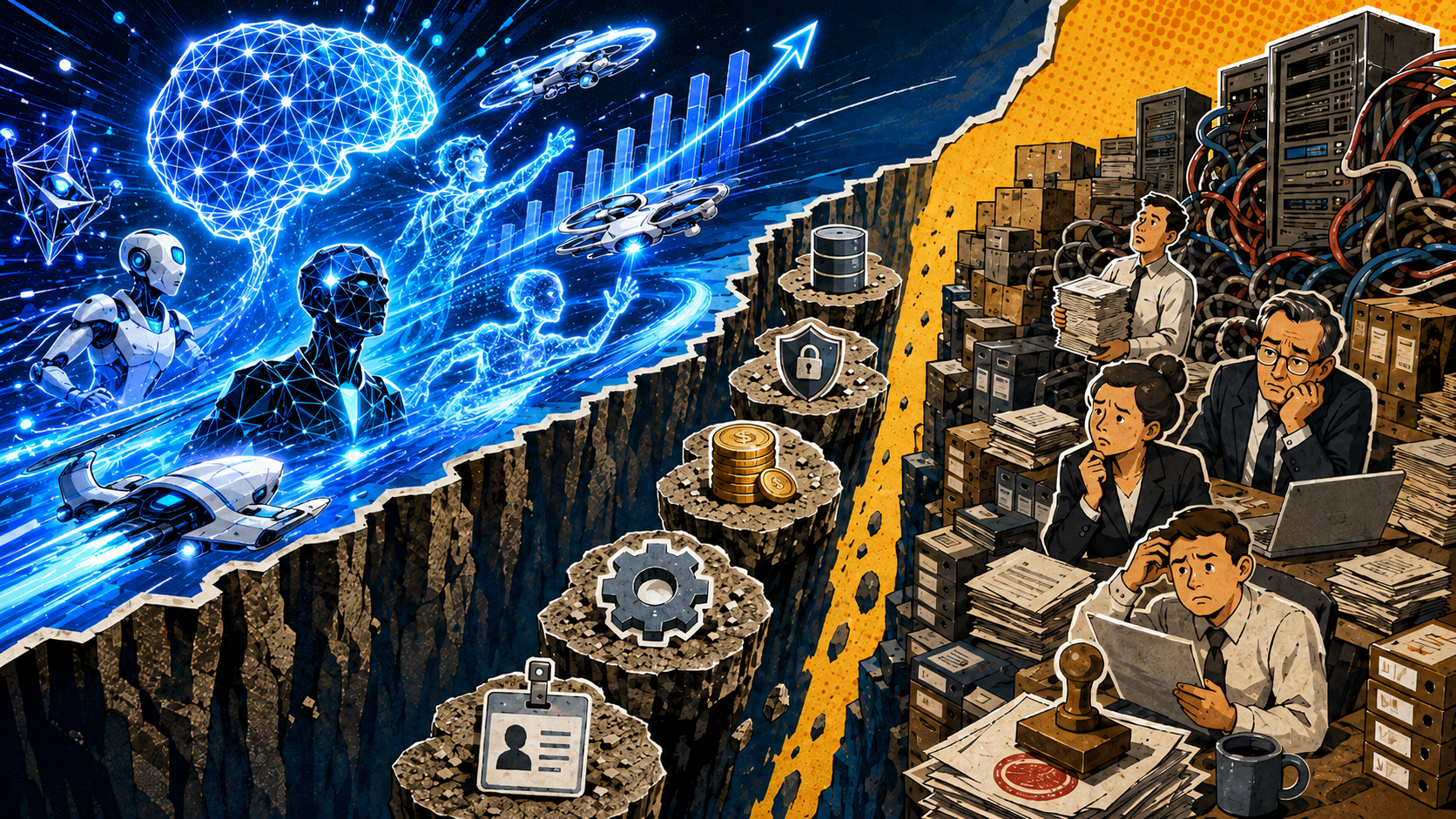
文章指出,企業可利用 AI 建立競爭優勢的窗口期可能只剩 3 至 4 年。與此同時,約 98% 的企業高估了自身的技術成熟度,反映出企業 AI 落地能力與自我認知之間存在明顯落差。
InfoQ中国 · 13d ago
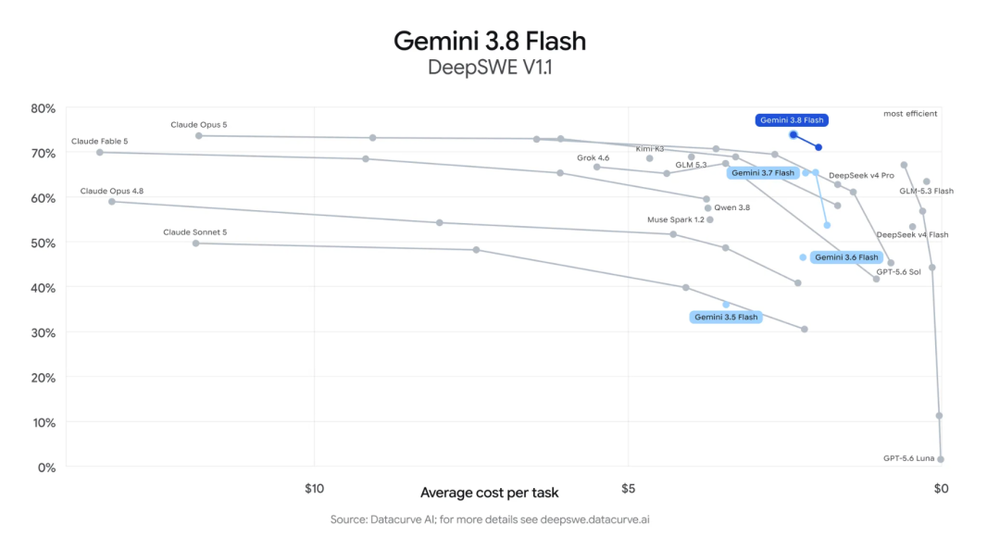
Google launched Gemini 3.8 Flash just three weeks after its predecessor, keeping the same low price while claiming major gains in coding, reasoning, and agent tasks. Independent and developer feedback suggests strong benchmark performance, but weaker results on longer, multi-step computer-use tasks and a gap between official demos and real-world usage.
虎嗅 · 13d ago
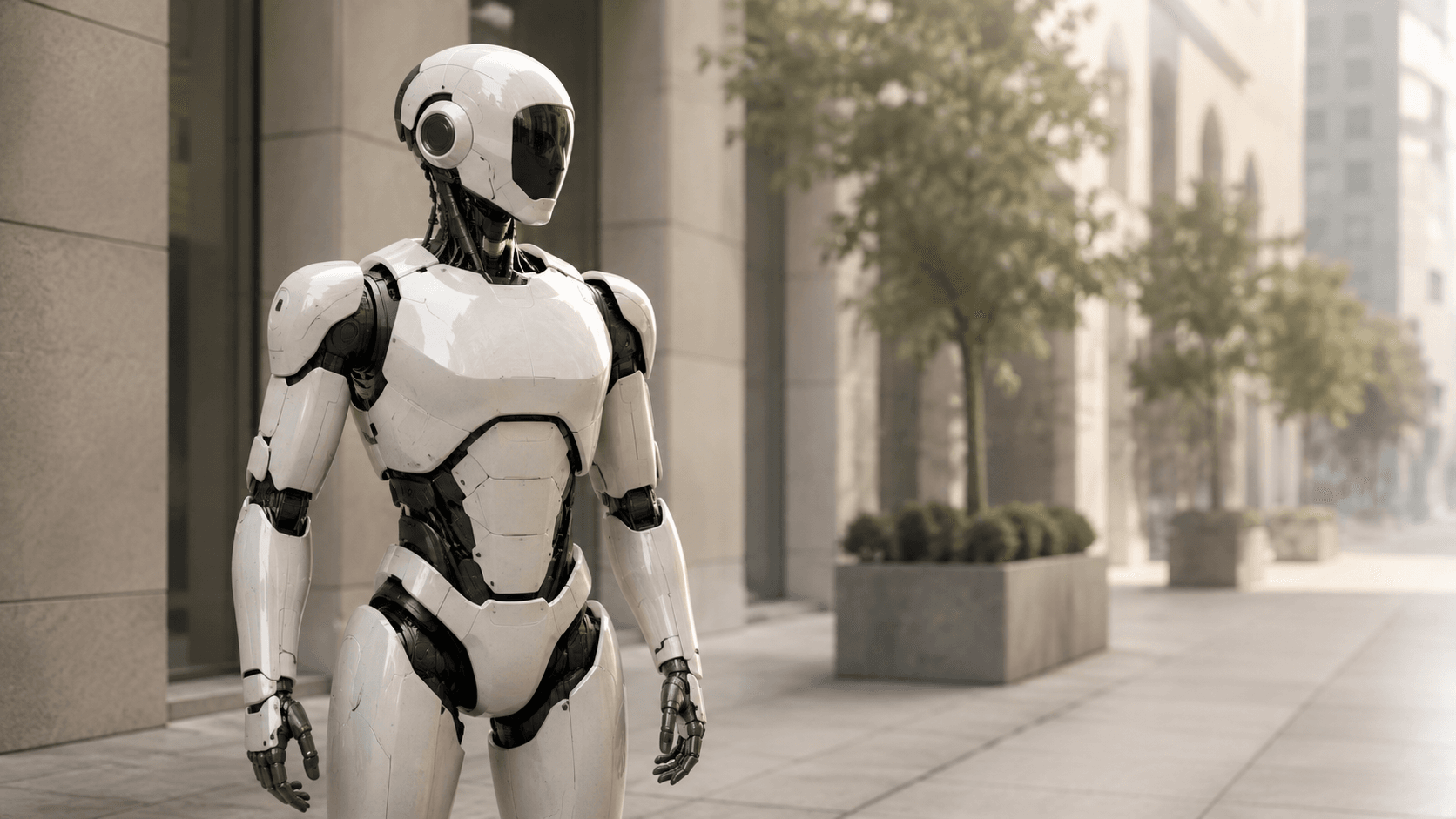
Unitree is establishing three bases and two centers for embodied intelligence in Chengdu. The move makes it the fifth major Chinese embodied-AI company to build a presence in the southwestern technology hub.
Pandaily · 13d ago

Academician Ouyang Minggao forecasts that China’s lithium-ion battery shipments will exceed 3,600 GWh by 2030. He identified safety, AI, and recycling as forces likely to reshape the battery sector.
Pandaily · 13d ago