Source虎嗅•Stalecollected in 16m
Zebra Retries IPO After 36B Losses
💡Alibaba-SAIC AI cockpit firm's IPO amid losses: auto AI profitability lessons
⚡ 30-Second TL;DR
What Changed
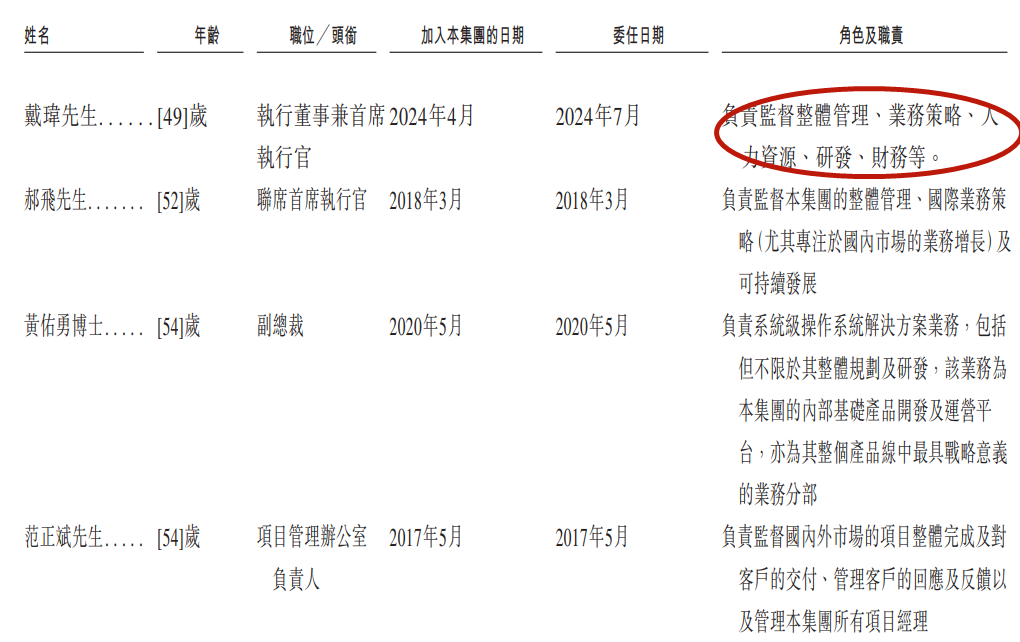
Retries HK IPO after 2025 withdrawal; no CFO listed
Why It Matters
Highlights funding pressures in automotive AI; heavy R&D delays profitability but builds moats in cockpit OS.
What To Do Next
Evaluate Zebra's AI cockpit APIs for integrating into EV fleet management systems.
Who should care:Enterprise & Security Teams
Key Points
- •Retries HK IPO after 2025 withdrawal; no CFO listed
- •2023-25 revenue ~8B CNY flat, losses 36.2B CNY; R&D 84-129% of revenue
- •Ali 42% stake, SAIC 33%; SAIC 39% revenue, Ali major supplier
- •Products on 9.4M cars across 69 OEMs, 16 markets
- •Ex-CFO resigned post-share reform, called out 'circle money' motive
🧠 Deep Insight
AI-generated analysis for this event — not the original article.
🔑 Enhanced Key Takeaways
- •Zebra Intelligent (Banma Network Technology) has faced significant leadership instability, with multiple high-level executive departures occurring in the lead-up to the 2026 IPO attempt, complicating investor confidence regarding corporate governance.
- •The company's heavy R&D expenditure is largely driven by the transition from its legacy AliOS-based infotainment systems to a full-stack 'AI-Cockpit' architecture that integrates large language models (LLMs) directly into vehicle operating systems.
- •Regulatory scrutiny from the Hong Kong Stock Exchange (HKEX) has intensified regarding Zebra's 'related-party transaction' model, specifically questioning the sustainability of revenue streams that rely heavily on SAIC's internal procurement cycles.
📊 Competitor Analysis▸ Show
| Feature | Zebra Intelligent (Banma) | ThunderSoft | ECARX |
|---|---|---|---|
| Core Focus | AliOS-based Cockpit | OS/Middleware/Dev Tools | SoC Integration/Cockpit |
| Primary Backer | Alibaba/SAIC | Independent/Qualcomm | Geely/Li Shufu |
| Market Position | Domestic OEM Integration | Global Tier 1/2 Supplier | Geely Ecosystem/Global |
| AI Strategy | LLM-integrated OS | Edge AI/Vision | Hardware-Software Co-design |
🛠️ Technical Deep Dive
- •Architecture: Utilizes a microkernel-based OS (AliOS) designed for high-concurrency automotive environments, supporting multi-screen interaction and cross-domain fusion.
- •AI Integration: Implements a proprietary 'Cockpit Brain' that leverages Transformer-based models for natural language understanding and predictive intent recognition within the vehicle cabin.
- •Hardware Abstraction: Employs a hardware-agnostic abstraction layer that allows the software stack to run on heterogeneous SoCs, including Qualcomm Snapdragon Ride and domestic Chinese automotive chips.
- •Data Pipeline: Maintains a closed-loop data feedback system where vehicle-side sensor data is anonymized and uploaded to Alibaba Cloud for model retraining and OTA (Over-the-Air) updates.
🔮 Future ImplicationsAI analysis grounded in cited sources
Zebra will likely be forced to pivot toward a 'neutral' supplier model to secure a successful IPO.
The current high concentration of revenue from SAIC creates a valuation discount that institutional investors are unlikely to accept without evidence of third-party OEM adoption.
The company will face a liquidity crisis by Q4 2026 if the IPO fails again.
Given the 36B CNY burn rate and the reluctance of existing shareholders to provide further capital injections, the company lacks the runway to sustain current R&D levels without public market funding.
⏳ Timeline
2015-07
Banma Network Technology established as a joint venture between Alibaba and SAIC.
2018-09
Banma completes a 1.6 billion CNY Series A financing round.
2020-05
Strategic restructuring: Alibaba increases stake, Banma becomes a subsidiary of Alibaba's AliOS unit.
2025-03
Zebra Intelligent officially withdraws its initial Hong Kong IPO application.
📰
Weekly AI Recap
Read this week's curated digest of top AI events →
👉Related Updates



AI-curated news aggregator. All content rights belong to original publishers.
Original source: 虎嗅 ↗
This is a summary, not the original. Read the source, or get the weekly briefing.
The weekly digest
One email a week. Unsubscribe anytime.