XPeng's 2026 AI Bet: No Plan B
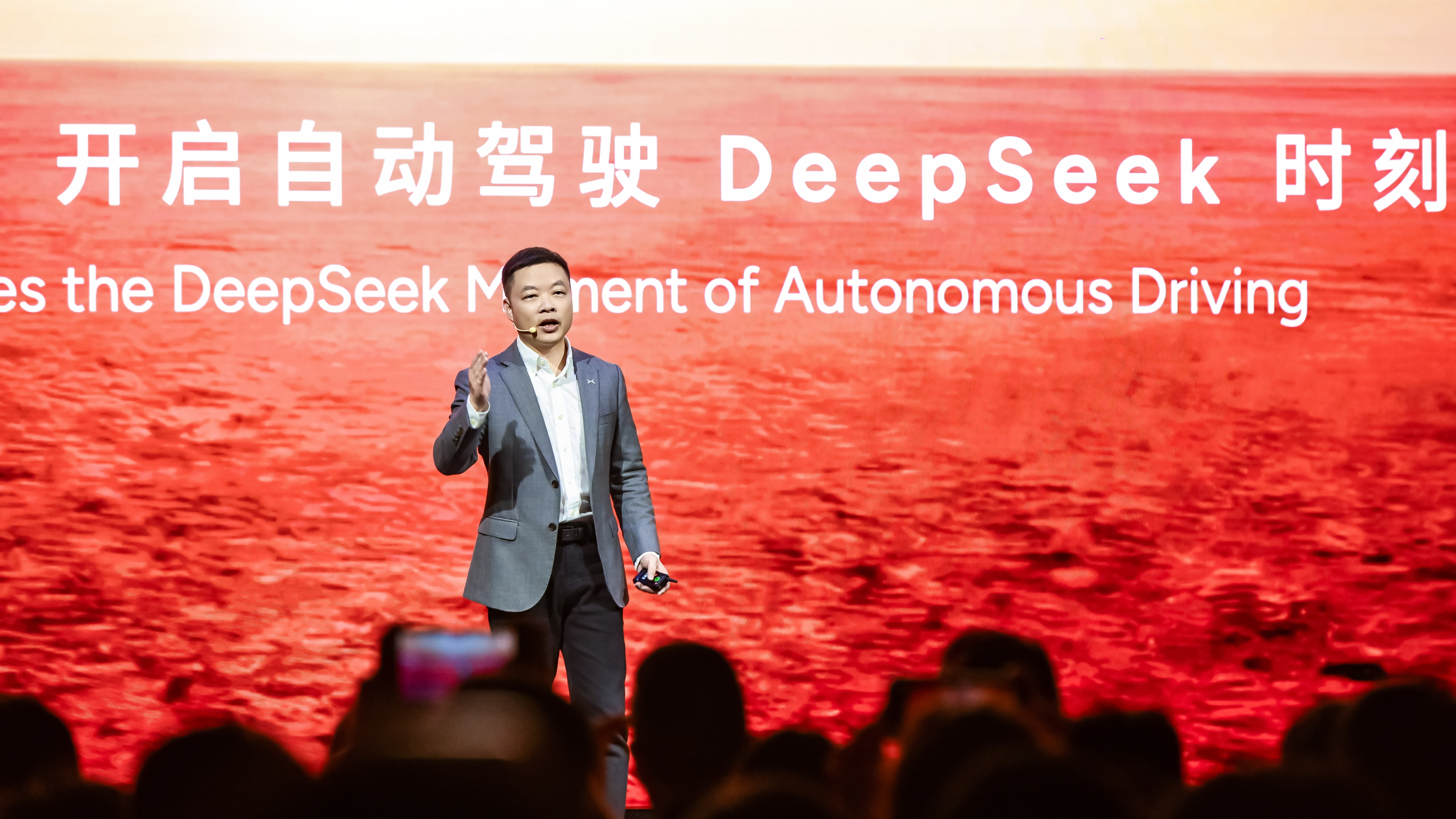
💡XPeng's AI autonomy push amid EV crisis: survival blueprint for AI-auto firms
⚡ 30-Second TL;DR
What Changed
Feb 2026 deliveries: 15,256 vehicles, behind Hongmeng (28k+), Leapmotor, Ideal.
Why It Matters
XPeng's AI focus risks alienating practical buyers favoring discounts over future Robotaxi, but successful integration could solidify its 'physical AI' moat. Failure to boost sales may lead to elimination in China's EV 'final circle'.
What To Do Next
Test XPeng's second-gen VLA model APIs for embodied AI in vehicle simulations.
Key Points
- •Feb 2026 deliveries: 15,256 vehicles, behind Hongmeng (28k+), Leapmotor, Ideal.
- •Launched second-gen VLA model and pure EV X9 on March 2.
- •2026 plans: 7 'one-car-dual-energy' models including 3 super EREV products.
- •He Xiaopeng calls current L2 'Frankenstein', predicts full autonomy in 1-3 years.
- •MONA M03 sales fading; needs product refreshes for survival.
🧠 Deep Insight
Background and context from public sources — not the original article. 8 sources cited.
🔑 Enhanced Key Takeaways
- •XPeng's VLA 2.0 deployment began March 2026 with Volkswagen as the first external customer for the intelligent driving system, marking a significant shift toward licensing AI technology beyond its own vehicles[8].
- •XPeng targets mass production of three distinct Physical AI businesses in 2026—humanoid robots (IRON), flying vehicles, and Robotaxis—with the IRON robot entering mass production by year-end and robotaxi pilot operations commencing within 2026[3].
- •The company is investing 3.5 billion CNY ($492 million) specifically in self-driving AI technologies for 2026 while simultaneously planning to introduce 30 new and updated vehicle models before 2027, with two entirely new platforms targeting the 150k-300k+ CNY price segments[2].
📊 Competitor Analysis▸ Show
| Metric | XPeng (Feb 2026) | Hongmeng | Leapmotor | Ideal | Notes |
|---|---|---|---|---|---|
| Feb 2026 Deliveries | 15,256 | 28,000+ | Not specified | Not specified | XPeng significantly behind market leaders[3] |
| AI Strategy | VLA 2.0 (L4 autonomous) | Not detailed | Not detailed | Not detailed | XPeng uniquely positioned with end-to-end vision-to-action architecture[4] |
| Product Range | EVs + EREVs + Robotaxi + Robots | Not detailed | Not detailed | Not detailed | XPeng pursuing diversified Physical AI portfolio[3] |
| Global Presence | US R&D center + European subsidiaries | Domestic focus | Not detailed | Not detailed | XPeng advancing globalization strategy[4] |
🛠️ Technical Deep Dive
VLA 2.0 Architecture:
- End-to-end vision-to-action system eliminating traditional 'language translation' intermediary step[4]
- Directly translates visual perception into driving commands without intermediate processing layers[7]
- Foundational L4 autonomous driving capabilities with third-party closed-track testing completed[4]
- Over-the-air deployment to customer vehicles began March 2026[4]
Turing AI Chip Specifications:
- 750 TOPs of effective computing power[6]
- 40-core processor architecture[6]
- Supports models with up to 30 billion parameters[6]
- Delivers equivalent performance of three high-performance chips in single unit[6]
- First mass-production model featuring Turing AI Chip planned for H1 2026[6]
Extended AI Foundation:
- Same VLA 2.0 foundation powers Robotaxi, humanoid robots, and modular flying vehicle systems[7]
- VLT (Vision-Language-Thought) large model specifically developed for robots enabling autonomous decision-making[6]
- Combined 'VLT + VLA + VLM' architecture realizes conversation, walking, and interaction capabilities[6]
🔮 Future ImplicationsAI analysis grounded in cited sources
⏳ Timeline
📎 Sources (8)
Factual claims are grounded in the sources below. Forward-looking analysis is AI-generated interpretation.
- chinaevhome.com — Xpeng Unveils 2026 Plan Launching Multiple New Models Domestically While Doubling Overseas Sales
- formacar.com — Xpeng 59501 Article
- autonews.gasgoo.com — Xpeng Delivers More Than 15000 New Vehicles in Feb 2026 2028062860830056449
- prnewswire.com — Xpeng Charts New Course in 2026 Flagship Launch Sales Momentum and AI Breakthrough Propel Global Technology Ambitions 302658303
- youtube.com — Watch
- xpeng.com — 019bc56e17389bc16cb78a028c710035
- xpeng.com — 019cae5e67b99c0960ee8a028129016a
- cleantechnica.com — Volkswagen Becomes Xpengs First Customer for Vla 2 0 Intelligent Driving System
Weekly AI Recap
Read this week's curated digest of top AI events →
👉Related Updates
AI-curated news aggregator. All content rights belong to original publishers.
Original source: Huxiu (虎嗅) ↗
This is a summary, not the original. Read the source, or get the weekly briefing.
Weekly AI briefing
One email a week. Unsubscribe anytime.