Why Silicon Valley Misreads Sci-Fi
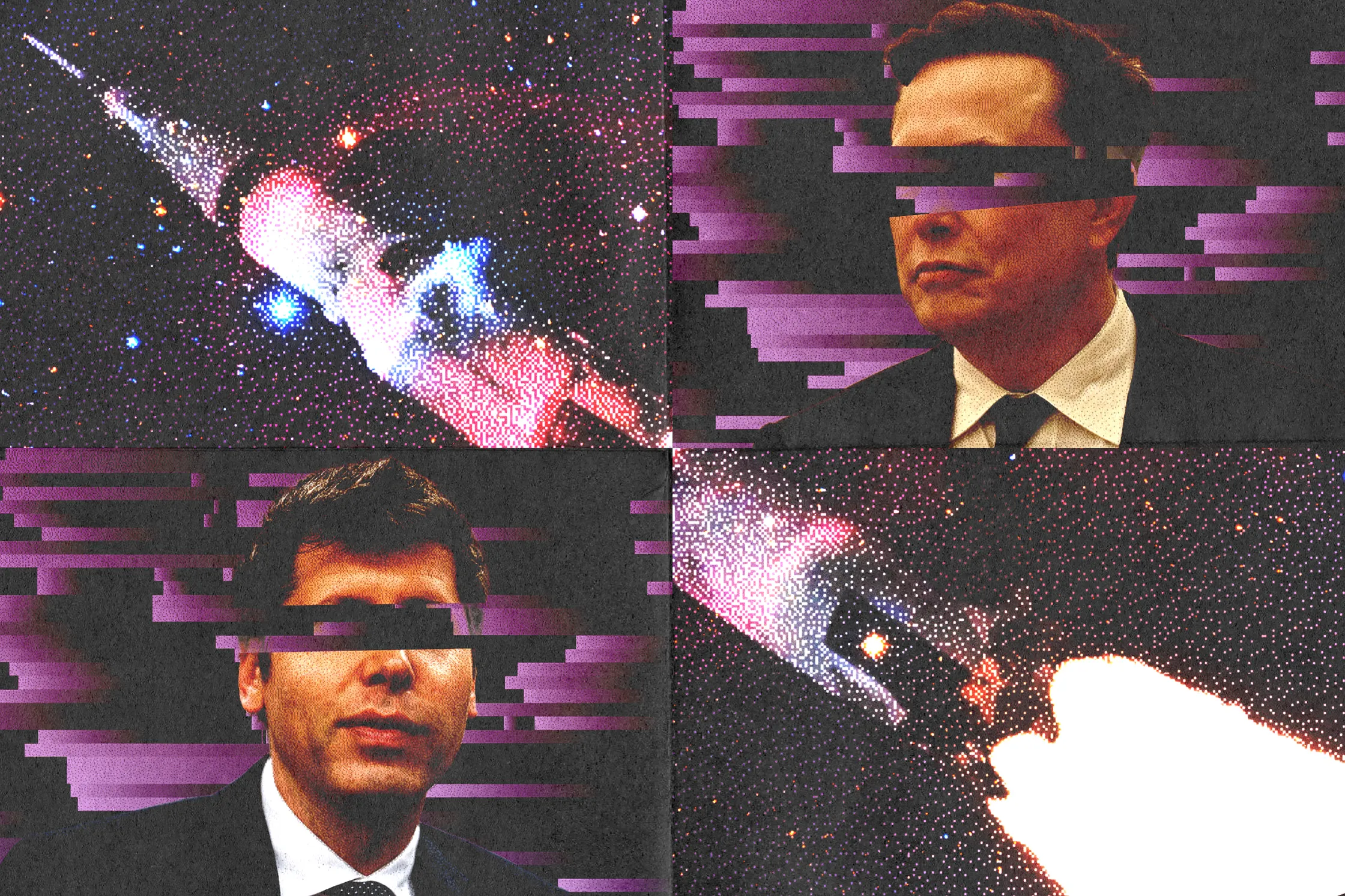
💡See why AI leaders may turn science-fiction warnings into technology blueprints.
⚡ 30-Second TL;DR
What Changed
Elon Musk proposed using AI to create a historically accurate version of The Odyssey.
Why It Matters
The discussion highlights the risk of selectively interpreting science fiction when shaping AI products, narratives, and company strategies. AI practitioners may benefit from treating speculative fiction as a source of ethical warnings, not merely as a blueprint for technological progress.
What To Do Next
Add a source-text and ethics review step to any generative-AI project that adapts historical or science-fiction literature.
Key Points
- •Elon Musk proposed using AI to create a historically accurate version of The Odyssey.
- •Silicon Valley leaders including Musk and Sam Altman have been strongly influenced by science fiction.
- •Their interpretations may diverge from the original works’ warnings about technology and power.
🧠 Deep Insight
AI-generated analysis for this event.
🔑 Enhanced Key Takeaways
- •Critics argue that Silicon Valley's 'techno-optimist' reading of literature often ignores the cautionary themes of hubris, such as the fate of Icarus or the consequences of playing god in Frankenstein.
- •The specific proposal regarding 'The Odyssey' is part of a broader trend where tech leaders attempt to use Generative AI to 'remaster' or 'correct' cultural artifacts, sparking debates about artistic integrity and historical revisionism.
- •Sam Altman has frequently cited Isaac Asimov's 'Foundation' series as a foundational influence, yet scholars note he often emphasizes the series' focus on large-scale societal optimization while downplaying its warnings about the collapse of empires due to over-reliance on technology.
- •The 'Great Man' theory of history, often embraced by figures like Musk, is frequently projected onto science fiction narratives, leading them to identify with protagonists who reshape the world rather than those who suffer the unintended consequences of their inventions.
- •Literary theorists suggest that Silicon Valley's interpretation of sci-fi is often utilitarian, viewing these works as 'blueprints' for future products rather than as complex critiques of the human condition.
🔮 Future ImplicationsAI analysis grounded in cited sources
⏳ Timeline
Weekly AI Recap
Read this week's curated digest of top AI events →
👉Related Updates




AI-curated news aggregator. All content rights belong to original publishers.
Original source: cnBeta (Full RSS) ↗