X-62A Completes Autonomous Live-Sensor Interception
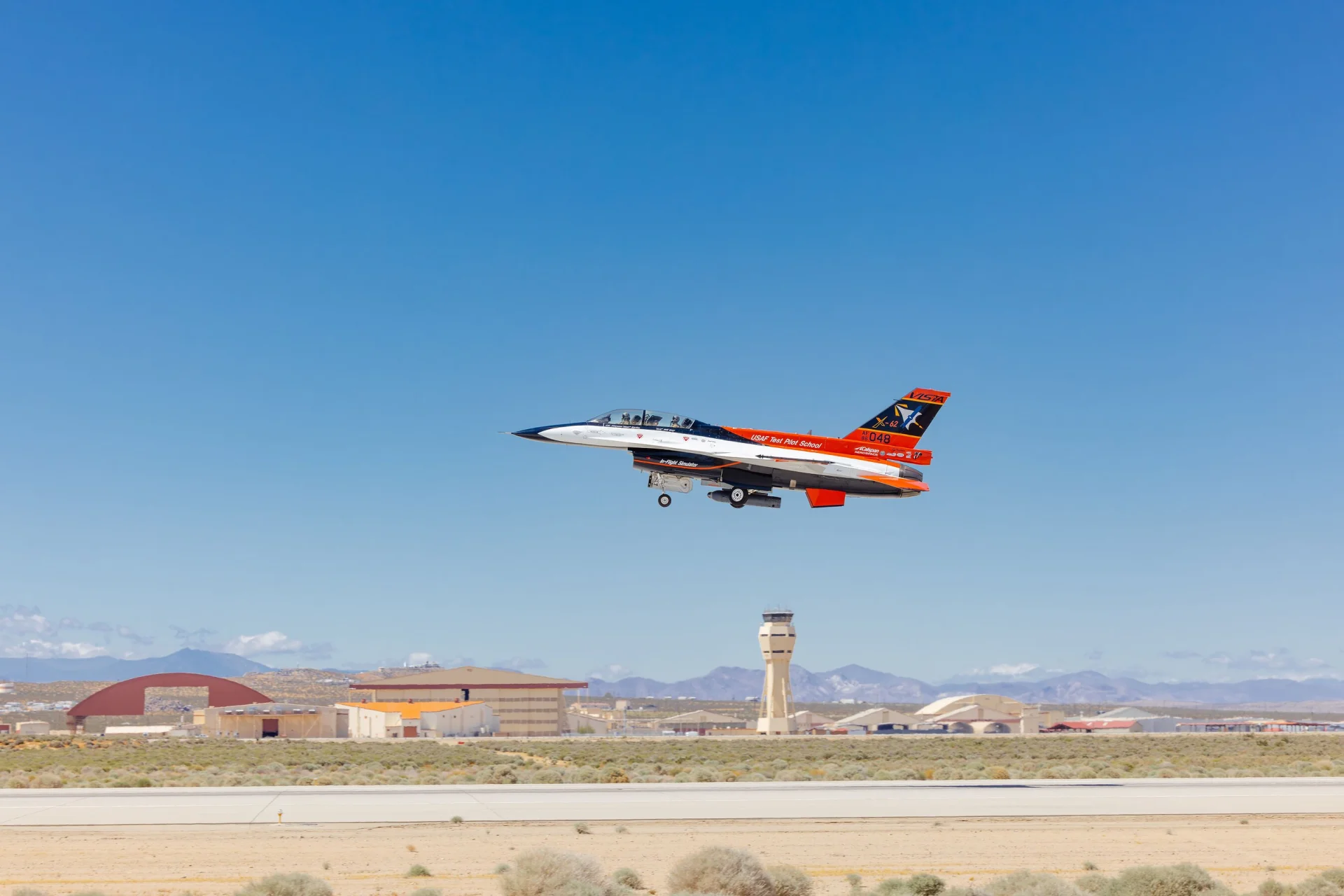
💡A military aircraft just demonstrated autonomous interception using real sensor data, not simulation.
⚡ 30-Second TL;DR
What Changed
X-62A VISTA performed a fully autonomous air-to-air interception.
Why It Matters
Using live sensor inputs is a more demanding test of autonomous decision-making than simulation-only trials. The milestone could accelerate research into AI-assisted flight control, perception, and real-time mission execution.
What To Do Next
Review autonomous-aviation research on real-time sensor fusion and evaluate whether your perception stack has been validated outside simulation.
Key Points
- •X-62A VISTA performed a fully autonomous air-to-air interception.
- •The system used real-time sensor data instead of digital simulations.
- •The flight test was conducted over Edwards Air Force Base in California.
- •The result represents a notable milestone for autonomous combat-aircraft research.
🧠 Deep Insight
AI-generated analysis for this event.
🔑 Enhanced Key Takeaways
- •The X-62A VISTA (Variable In-flight Simulator Test Aircraft) is a highly modified F-16D Block 30 Peace Marble II aircraft, originally designed to simulate the flight characteristics of other aircraft.
- •This autonomous capability is powered by the Air Force Research Laboratory's (AFRL) Skyborg autonomy core system and the Machine Intelligence for Flight Operations (MIFLO) algorithms.
- •The interception test involved the X-62A engaging in 'dogfighting' maneuvers against a human-piloted F-16, demonstrating the AI's ability to operate within safety parameters while executing aggressive combat tactics.
- •The aircraft utilizes the System for Autonomous Control of the Simulation (SACS), which allows it to transition between human-piloted and AI-controlled flight modes seamlessly during a single sortie.
- •This milestone is part of the DARPA Air Combat Evolution (ACE) program, which aims to increase trust in autonomous systems by demonstrating their effectiveness in high-stakes, dynamic aerial environments.
📊 Competitor Analysis▸ Show
| Feature | X-62A VISTA (USAF/DARPA) | Loyal Wingman (Boeing MQ-28) | XQ-58A Valkyrie (Kratos) |
|---|---|---|---|
| Primary Role | Testbed/Research | Combat/ISR/Wingman | Low-cost attritable UAV |
| Autonomy Level | High (Experimental) | High (Operational focus) | Medium (Tactical) |
| Platform Type | Manned F-16 Conversion | Purpose-built Drone | Purpose-built Drone |
| Status | Active Research | Flight Testing | Operational/Testing |
🛠️ Technical Deep Dive
- The X-62A utilizes the VISTA Simulation System (VSS), which allows the aircraft to mimic the flight control laws and handling qualities of virtually any other aircraft.
- The autonomy stack runs on an open-architecture software framework, enabling rapid integration of new AI models and sensor fusion algorithms without requiring full flight control system rewrites.
- Sensor suite integration includes real-time processing of radar, electro-optical, and infrared data to maintain situational awareness during high-G maneuvers.
- The system employs a 'safety layer' or 'envelope protection' software that monitors AI decisions in real-time, capable of overriding commands if they violate pre-defined flight safety boundaries.
🔮 Future ImplicationsAI analysis grounded in cited sources
⏳ Timeline
Weekly AI Recap
Read this week's curated digest of top AI events →
👉Related Updates


AI-curated news aggregator. All content rights belong to original publishers.
Original source: cnBeta (Full RSS) ↗