Why FDE Is Reshaping Enterprise AI Delivery
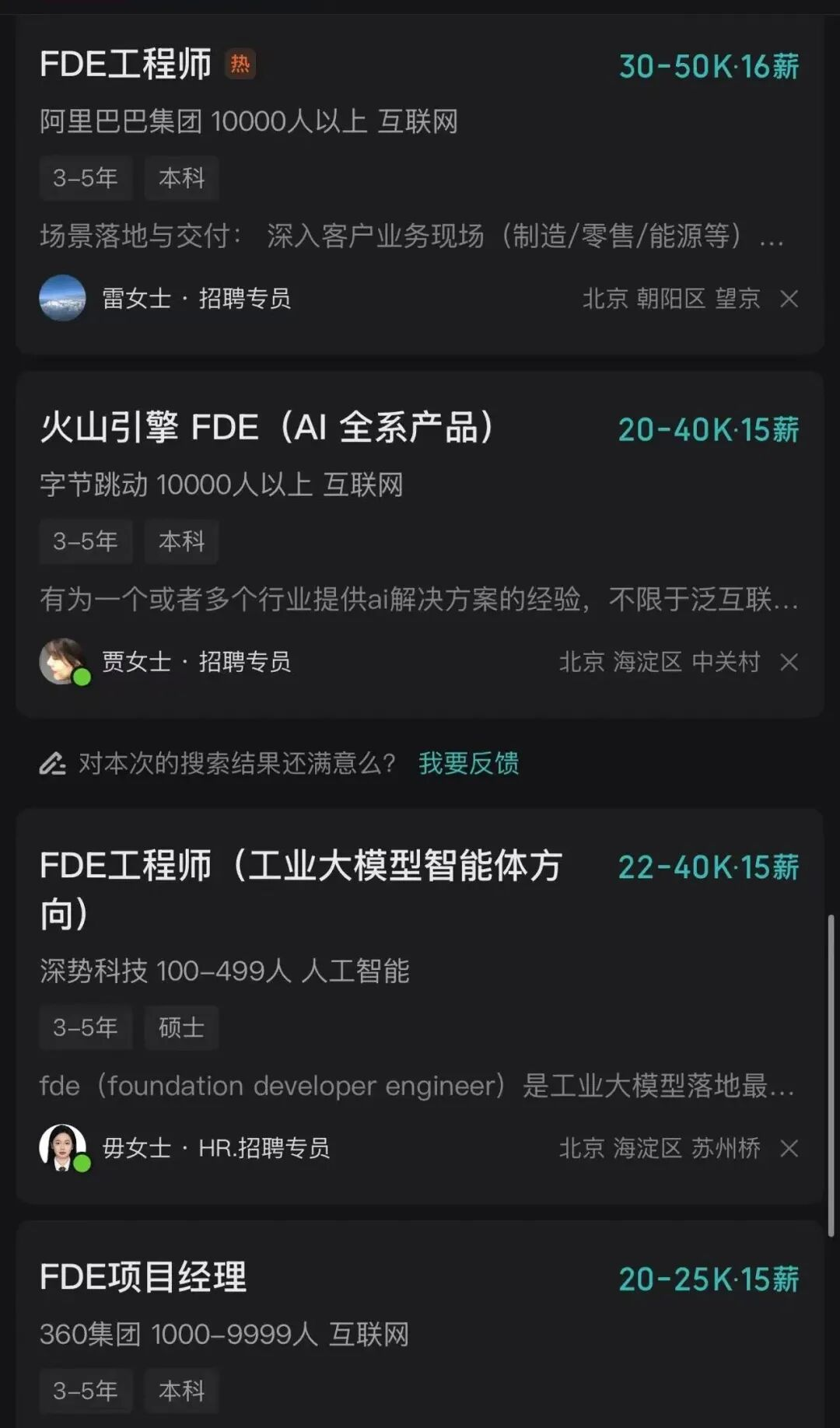
💡FDE may be the missing layer between impressive AI demos and reusable enterprise production systems.
⚡ 30-Second TL;DR
What Changed
OpenAI plans to create an enterprise AI deployment company with more than $4 billion in initial investment and approximately 150 Tomoro engineers and deployment specialists.
Why It Matters
FDE could give AI vendors a path to combine software-like margins with high-touch enterprise deployment. Its success depends on whether each project reduces future customization and enables internal teams to take over, rather than becoming a renamed consulting or staffing business.
What To Do Next
Before hiring an external FDE, define a least-privilege sandbox, internal approval gate, handoff checklist, and metric showing whether the second deployment requires fewer external engineers.
Key Points
- •OpenAI plans to create an enterprise AI deployment company with more than $4 billion in initial investment and approximately 150 Tomoro engineers and deployment specialists.
- •FDEs go beyond consulting or implementation by writing production systems, measuring adoption, and feeding customer problems back into the core product.
- •Chinese companies including Minglue Technology, Kingdee, Neusoft Reach, and iSoftStone are incorporating FDEs into AI delivery and operations.
- •A genuine FDE model should convert customer-specific experience into reusable Skills, Agents, or standard product features.
- •Enterprises should grant external FDE teams least-privilege access, isolate development from production, log operations, require internal code approval, and reclaim permissions after delivery.
Weekly AI Recap
Read this week's curated digest of top AI events →
👉Related Updates

AI-curated news aggregator. All content rights belong to original publishers.
Original source: 虎嗅 ↗
This is a summary, not the original. Read the source, or get the weekly briefing.
Weekly AI briefing
One email a week. Unsubscribe anytime.