ChatGPT Adds Teen Safety Mode
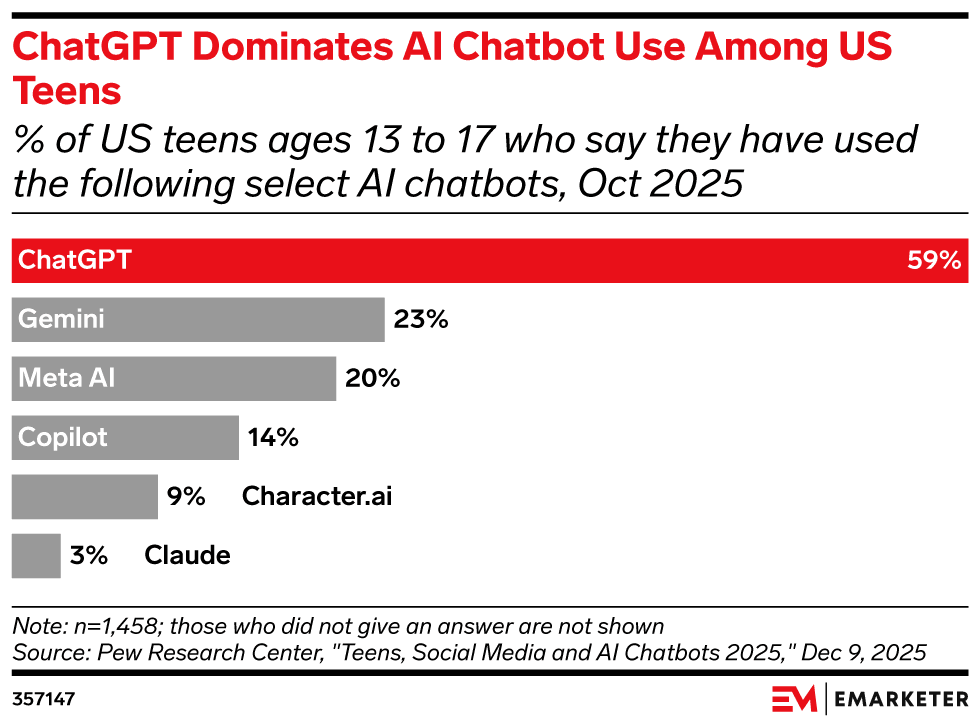
💡ChatGPT now changes how it teaches, handles crises, and prevents emotional dependency for teen users.
⚡ 30-Second TL;DR
What Changed
Accounts identified as belonging to users aged 13–17 automatically enter the teen experience; adults can request age verification through Persona.
Why It Matters
The launch raises the baseline for safety-by-default in consumer AI products used by minors. Developers building educational or companion experiences should treat age detection, dependency prevention, parental governance, and escalation workflows as core product requirements rather than optional filters.
What To Do Next
If you build an AI education product, test OpenAI's Study Mode and implement age-based defaults, assignment anti-cheating prompts, dependency boundaries, and parent escalation controls.
Key Points
- •Accounts identified as belonging to users aged 13–17 automatically enter the teen experience; adults can request age verification through Persona.
- •Responsible Homework Reminder redirects shortcut-seeking students to Study Mode instead of directly completing assignments.
- •Parents can configure Quiet Hours, Study Hours, memory settings, voice mode, image generation, location access, and model-improvement data sharing.
- •The system discourages romantic roleplay and emotional dependency, directing teens toward parents, teachers, friends, or counselors.
- •Parents do not receive chat histories; notifications are limited to reviewed, high-risk signals involving self-harm or violence.
Weekly AI Recap
Read this week's curated digest of top AI events →
👉Related Updates


AI-curated news aggregator. All content rights belong to original publishers.
Original source: 虎嗅 ↗
This is a summary, not the original. Read the source, or get the weekly briefing.
Weekly AI briefing
One email a week. Unsubscribe anytime.