SourceEngadget•Stalecollected in 3h
Which USB adapters should you keep in 2026?
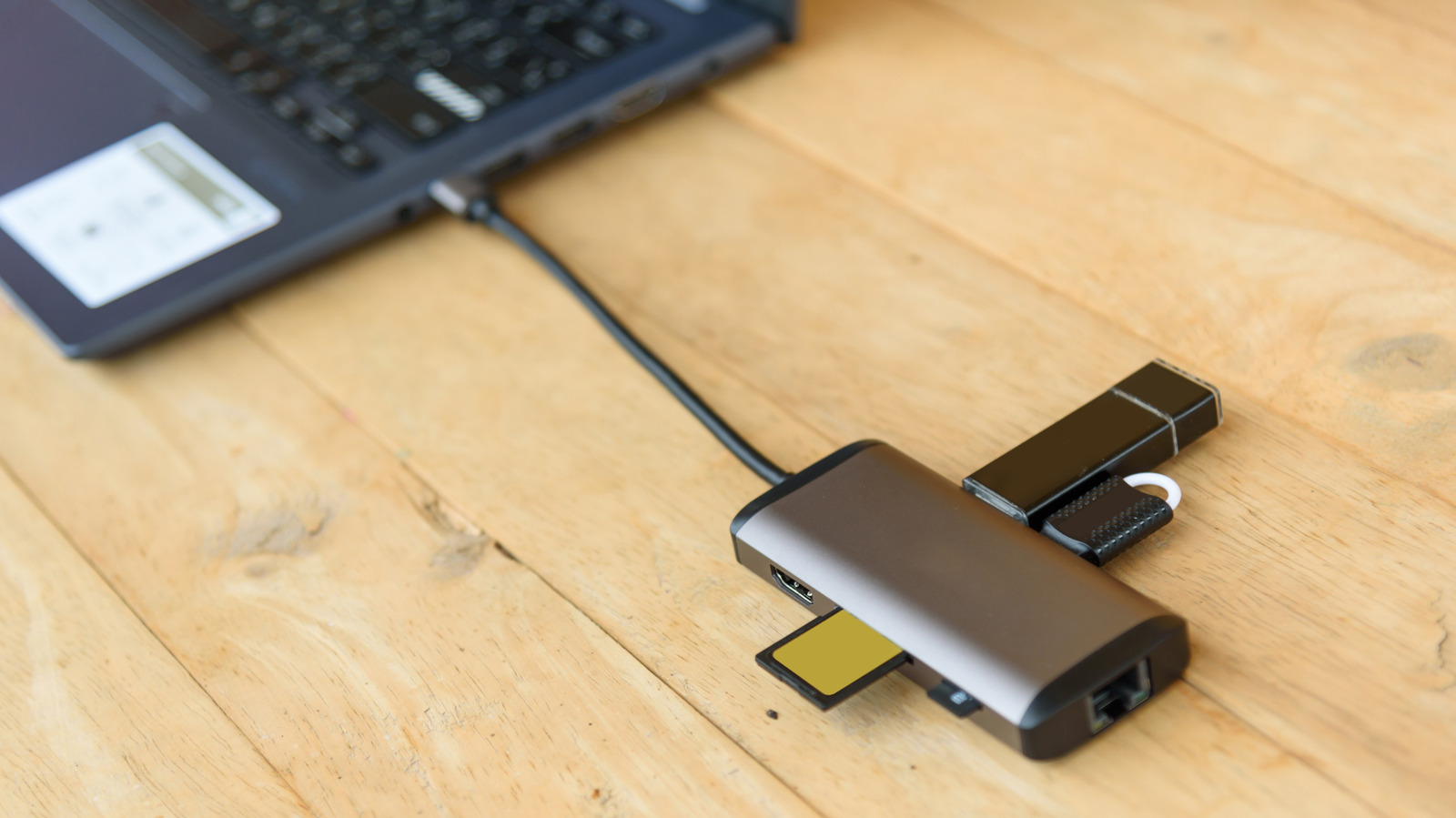
Optimize your hardware lab infrastructure by standardizing on USB-C connectivity.
30-Second TL;DR
What Changed
USB-C is now the standard across most modern devices
Why It Matters
It is time to discard obsolete hardware to reduce clutter.
What To Do Next
Standardize your hardware lab on USB-C to ensure consistent power and data throughput for AI edge devices.
Who should care:Developers & AI Engineers
Key Points
- •USB-C is now the standard across most modern devices
- •Legacy USB adapters are increasingly obsolete
- •Regular hardware audits help maintain efficient workspaces
Deep Insight
AI-generated analysis for this event — not the original article.
Enhanced Key Takeaways
- •The EU's Common Charger Directive (Directive 2022/2380) has fully mandated USB-C for all small and medium-sized portable electronic devices as of late 2024, accelerating the obsolescence of proprietary charging bricks.
- •USB4 Version 2.0 specifications, released in late 2023, support up to 80Gbps data transfer, rendering older USB 2.0 and 3.0 legacy adapters physically incapable of supporting modern high-bandwidth peripheral requirements.
- •Power Delivery (USB-PD) 3.1 now supports up to 240W, meaning legacy adapters limited to 5W-15W are insufficient for charging modern high-performance laptops and workstations.
- •E-waste recycling programs have expanded to include specific 'adapter take-back' initiatives, as legacy adapters often contain hazardous materials like brominated flame retardants that require specialized processing.
- •The rise of GaN (Gallium Nitride) technology has made legacy silicon-based adapters significantly bulkier and less energy-efficient, providing a tangible performance incentive to replace older hardware.
Technical Deep Dive
- USB-PD 3.1 Specification: Introduces Extended Power Range (EPR) allowing for 28V, 36V, and 48V outputs, enabling up to 240W charging capacity.
- USB4 2.0 Architecture: Utilizes PAM3 signal encoding to achieve 80Gbps over existing USB-C cables, requiring compliant controllers that legacy adapters lack.
- GaN Integration: Replaces silicon MOSFETs with Gallium Nitride, allowing for higher switching frequencies, reduced thermal output, and significantly smaller form factors compared to legacy chargers.
- Backward Compatibility: While USB-C is physically universal, legacy adapters often lack the necessary negotiation protocols (CC pins) to safely deliver power to modern devices, leading to slow charging or device rejection.
Future ImplicationsAI analysis grounded in cited sources
Proprietary charging ports will be entirely absent from consumer electronics by 2028.
Global regulatory pressure and the cost-efficiency of USB-C standardization make proprietary connectors economically unviable for manufacturers.
Legacy USB-A ports will be removed from enterprise-grade docking stations by 2027.
The shift toward high-bandwidth USB4 and Thunderbolt 5 connectivity necessitates the removal of legacy ports to save internal PCB space and reduce signal interference.
Timeline
2022-10
European Parliament adopts the Common Charger Directive mandating USB-C.
2023-09
USB-IF publishes the USB4 Version 2.0 specification for 80Gbps data transfer.
2024-12
Deadline for EU member states to enforce USB-C compliance for portable devices.
- 2022-10European Parliament adopts the Common Charger Directive mandating USB-C.
- 2023-09USB-IF publishes the USB4 Version 2.0 specification for 80Gbps data transfer.
- 2024-12Deadline for EU member states to enforce USB-C compliance for portable devices.
Weekly AI Recap
Read this week's curated digest of top AI events →
Related Updates

AI-curated news aggregator. All content rights belong to original publishers.
Original source: Engadget ↗
This is a summary, not the original. Read the source, or get the weekly briefing.
The weekly digest
One email a week. Unsubscribe anytime.