Waymo Wins Approval to Expand Robotaxi Service
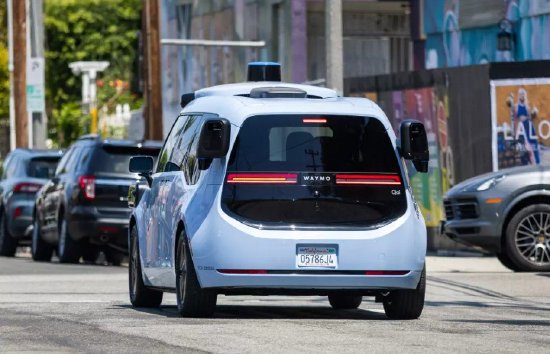
💡Waymo’s 18-county expansion could reshape where autonomous fleets can be deployed.
⚡ 30-Second TL;DR
What Changed
California regulators approved Waymo’s operation across 18 counties.
Why It Matters
The expansion could accelerate real-world data collection, operational learning, and consumer adoption for autonomous mobility. It may also raise competitive and regulatory pressure on other autonomous vehicle providers operating in California.
What To Do Next
Map your autonomous mobility pilot requirements against Waymo’s newly approved 18-county operating footprint to identify potential partnership or deployment locations.
Key Points
- •California regulators approved Waymo’s operation across 18 counties.
- •The approval substantially expands Waymo’s autonomous ride-hailing footprint.
- •The update may create more deployment opportunities for autonomous fleet technology.
🧠 Deep Insight
AI-generated analysis for this event.
🔑 Enhanced Key Takeaways
- •The expansion includes major metropolitan areas and surrounding regions, marking a shift from pilot testing to large-scale commercial deployment in California.
- •Waymo's safety data submitted to the CPUC demonstrated a significant reduction in injury-causing crashes compared to human-driven vehicles in the same operating domains.
- •The approval mandates ongoing data sharing with state regulators regarding vehicle performance, disengagement rates, and incident reporting to maintain operational licenses.
- •Local municipalities retain limited authority to impose specific traffic management rules, though the CPUC maintains primary jurisdiction over autonomous vehicle deployment.
- •This expansion is expected to accelerate Waymo's transition to the 6th generation of its autonomous driving system, which utilizes more cost-effective hardware sensors.
📊 Competitor Analysis▸ Show
| Feature | Waymo | Zoox (Amazon) | Tesla (Cybercab/FSD) |
|---|---|---|---|
| Vehicle Type | Purpose-built/Retrofit | Purpose-built (Carriage) | Retrofit/Future Purpose-built |
| Operational Status | Commercial (Multi-state) | Limited Testing/Pilot | Testing/Consumer ADAS |
| Business Model | Ride-hailing (B2C) | Ride-hailing (B2C) | Consumer Sales/Network |
| Safety Approach | Lidar-heavy/Sensor Fusion | Lidar-heavy/Redundant | Camera-only/Vision-based |
🛠️ Technical Deep Dive
- Waymo's 6th generation hardware suite features a reduced sensor count compared to previous iterations, lowering manufacturing costs while maintaining 360-degree perception.
- The system utilizes a multi-modal sensor fusion architecture combining long-range Lidar, high-resolution cameras, and radar to handle adverse weather conditions.
- Waymo's software stack employs end-to-end machine learning models for trajectory prediction, allowing the vehicle to anticipate the behavior of vulnerable road users like cyclists and pedestrians.
- The fleet operates on a centralized cloud-based mapping system that updates high-definition maps in near real-time based on fleet-wide sensor data.
- Vehicles are equipped with redundant compute platforms and independent braking/steering systems to ensure a safe stop in the event of a primary system failure.
🔮 Future ImplicationsAI analysis grounded in cited sources
⏳ Timeline
Weekly AI Recap
Read this week's curated digest of top AI events →
👉Related Updates



AI-curated news aggregator. All content rights belong to original publishers.
Original source: cnBeta (Full RSS) ↗