NAND Shortage May Keep SSD Prices High Through 2030
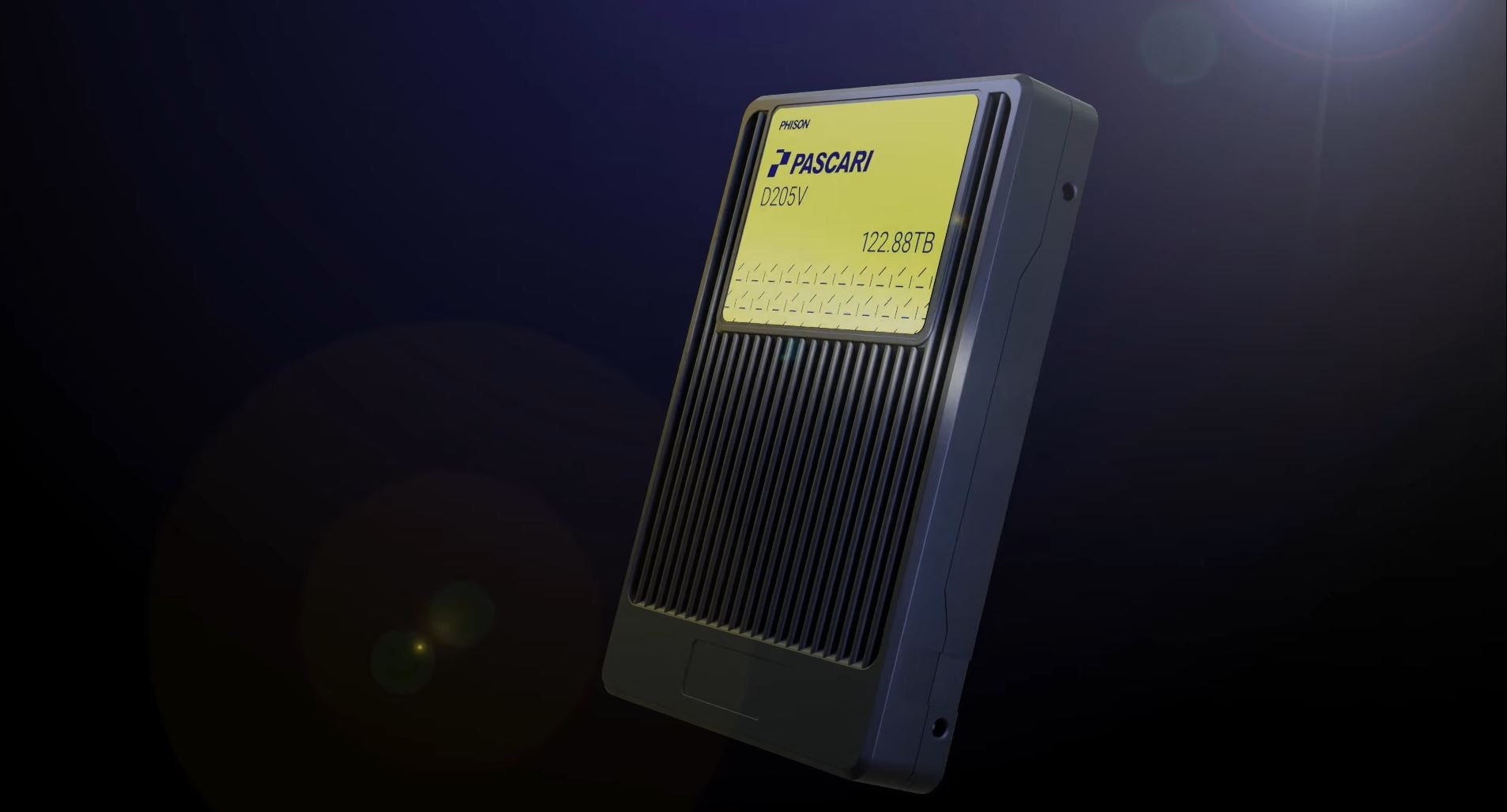
💡AI storage demand may keep SSD costs high for years—plan your infrastructure budget before capacity expansion.
⚡ 30-Second TL;DR
What Changed
AI data-center expansion is driving a sharp increase in NAND flash demand.
Why It Matters
Higher storage costs could raise the total cost of training and serving AI models, especially for data-intensive workloads. AI companies may need to reconsider storage architecture, capacity planning, and procurement timing.
What To Do Next
Model your next 12–24 months of SSD demand and secure capacity commitments before expanding AI training or inference clusters.
Key Points
- •AI data-center expansion is driving a sharp increase in NAND flash demand.
- •NAND production capacity is unlikely to close the supply gap in the short term.
- •SSD prices could remain elevated for multiple years, potentially through 2030.
- •The warning comes from Phison CEO Kin-Ching Pua.
🧠 Deep Insight
AI-generated analysis for this event.
🔑 Enhanced Key Takeaways
- •Phison has shifted its strategic focus toward high-capacity enterprise SSDs and AI-integrated storage controllers to capitalize on the shift from consumer-grade NAND demand.
- •The transition to 3D NAND stacking beyond 300 layers has introduced significant manufacturing yield challenges, further constraining the total bit supply available to the market.
- •Major NAND manufacturers like Samsung, SK Hynix, and Micron have prioritized capital expenditure toward High Bandwidth Memory (HBM) for AI GPUs, inadvertently starving NAND production lines of investment.
- •The rise of 'AI PCs' and edge computing devices is creating a secondary demand surge for high-performance, power-efficient NAND that competes directly with data-center allocation.
- •Phison is actively developing 'aiDAPTIV+' technology, which aims to allow smaller enterprises to train AI models using SSD-based storage to bypass the extreme costs of HBM-only systems.
🛠️ Technical Deep Dive
- NAND Scaling Limits: The industry is currently struggling with the aspect ratio of etching channels in 3D NAND, where deeper stacks increase the risk of structural defects and signal interference.
- Controller Bottlenecks: As NAND density increases, controllers require more sophisticated LDPC (Low-Density Parity-Check) error correction code engines, which consume more power and die area.
- Interface Evolution: The industry is transitioning toward PCIe 5.0 and 6.0 interfaces to keep up with the throughput requirements of AI workloads, which necessitates more complex signal integrity management on the SSD PCB.
🔮 Future ImplicationsAI analysis grounded in cited sources
⏳ Timeline
Weekly AI Recap
Read this week's curated digest of top AI events →
👉Related Updates



AI-curated news aggregator. All content rights belong to original publishers.
Original source: cnBeta (Full RSS) ↗