Voice AI Risks in Smart Cars Exposed
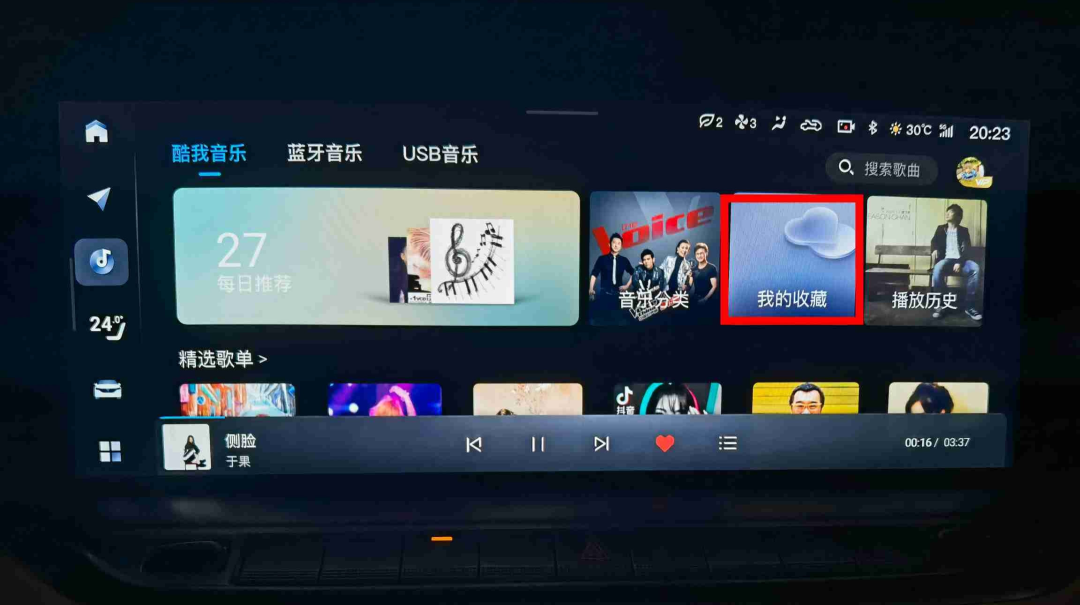
💡Car voice AI bugs crash vehicles—safety lessons for embodied AI devs
⚡ 30-Second TL;DR
What Changed
Night highway voice command shuts headlights instead of reading light, no physical override.
Why It Matters
Highlights uneven AI maturity in autos, prompting regulatory pushback; delays full voice reliance in safety-critical driving.
What To Do Next
Audit voice AI permissions in your embodied agent prototypes for safety overrides.
Key Points
- •Night highway voice command shuts headlights instead of reading light, no physical override.
- •Trend: Replace buttons with voice/screens for cabin-driving integration, risking safety.
- •VLA models pushed for unified intel, but domains isolated; Tesla more cautious.
- •Upcoming regs require physical keys for lights, wipers on home screen.
🧠 Deep Insight
Background and context from public sources — not the original article. 8 sources cited.
🔑 Enhanced Key Takeaways
- •AI voice assistants in vehicles using large language models (LLMs) introduce cybersecurity risks through model supply chains, where a single compromised AI model can propagate across fleets via over-the-air updates.[3]
- •NHTSA expresses skepticism toward beta AI software in vehicles, potentially leading to stricter regulations that restrict AI features and increase liability for automakers.[2]
- •EU Artificial Intelligence Act and upcoming U.S. SELF DRIVE Act mandate safety cases and continuous monitoring for high-risk AI systems in vehicles, including voice and driver monitoring.[4]
🔮 Future ImplicationsAI analysis grounded in cited sources
📎 Sources (8)
Factual claims are grounded in the sources below. Forward-looking analysis is AI-generated interpretation.
- thecorneaimpression.com — AI in Electric Vehicles How Smart Systems Improve Range Safety
- cleantechnica.com — Abandoning AI Safety Might Screw Our Cars Up
- youtube.com — Watch
- automotive-iq.com — Top 20 Voices in Automotive Cybersecurity Spotlight on Experts
- findarticles.com — AI Rules Ces 2026 Auto Tech From Autonomy to Safety
- techarena.ai — Predictions for 2026 Three Forces Disrupting Vehicle Development
- internationalaisafetyreport.org — International AI Safety Report 2026
- youtube.com — Watch
Weekly AI Recap
Read this week's curated digest of top AI events →
👉Related Updates
AI-curated news aggregator. All content rights belong to original publishers.
Original source: 虎嗅 ↗
This is a summary, not the original. Read the source, or get the weekly briefing.
Weekly AI briefing
One email a week. Unsubscribe anytime.