U.S. Pressures Apple Over Chinese Memory Chips
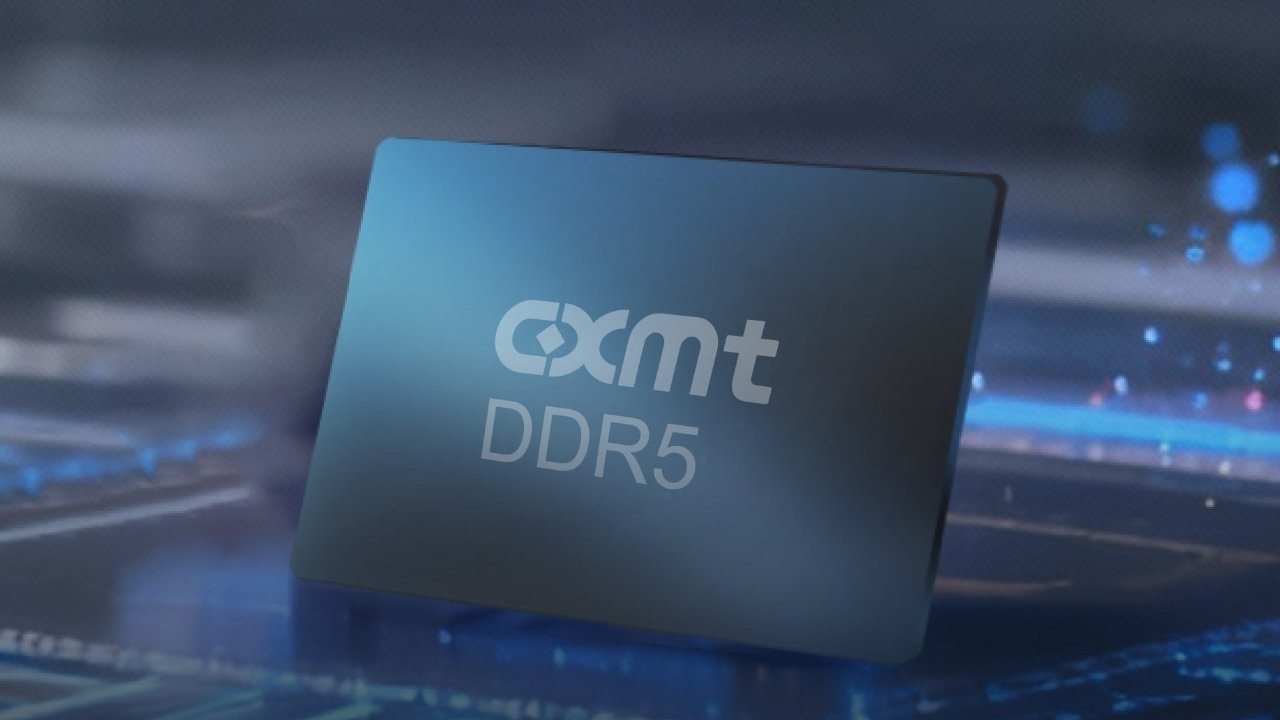
💡Memory geopolitics could reshape Apple supply plans and affect AI hardware availability.
⚡ 30-Second TL;DR
What Changed
Howard Lutnick warned Apple against sourcing Mac memory chips from Chinese suppliers.
Why It Matters
Any restriction could increase memory procurement costs and complicate hardware supply planning for Apple and its suppliers. For AI teams, the episode highlights how geopolitical controls can affect memory availability and system-build timelines.
What To Do Next
Audit your AI infrastructure bill of materials for memory dependencies and identify a qualified second-source supplier before expanding Mac-based development fleets.
Key Points
- •Howard Lutnick warned Apple against sourcing Mac memory chips from Chinese suppliers.
- •Apple has reportedly been testing memory products from CXMT.
- •The testing is intended to help Apple manage the continuing global chip shortage.
- •The Trump administration views the procurement plan as politically sensitive.
🧠 Deep Insight
AI-generated analysis for this event.
🔑 Enhanced Key Takeaways
- •CXMT (ChangXin Memory Technologies) has been under intense scrutiny by the U.S. Department of Commerce, which added the company to the Entity List in late 2024 to restrict its access to advanced U.S. semiconductor manufacturing equipment.
- •The pressure on Apple is part of a broader 'de-risking' strategy by the U.S. government aimed at preventing Chinese state-backed firms from achieving parity in DRAM production.
- •Industry analysts note that CXMT's memory chips are primarily focused on legacy nodes (19nm and 17nm processes), which are less advanced than the cutting-edge HBM or DDR5 chips used in Apple's high-end silicon.
- •Apple's interest in CXMT was reportedly driven by a desire to diversify its supply chain away from traditional South Korean giants like Samsung and SK Hynix, which have faced their own geopolitical pressures.
- •Congressional leaders have threatened to launch a formal investigation into Apple's supply chain transparency if the company proceeds with integrating Chinese-made memory into consumer electronics sold in the U.S.
📊 Competitor Analysis▸ Show
| Feature | CXMT (DRAM) | Samsung (DRAM) | SK Hynix (DRAM) |
|---|---|---|---|
| Process Node | 17nm - 19nm (Legacy) | 10nm-class (1a/1b/1c) | 10nm-class (1a/1b/1c) |
| Market Position | Emerging/Domestic | Global Leader | Global Leader |
| U.S. Restrictions | High (Entity List) | None | None |
| Primary Focus | Commodity/Consumer | High-Performance/HBM | High-Performance/HBM |
🛠️ Technical Deep Dive
- CXMT utilizes a proprietary DRAM architecture that relies heavily on domestic Chinese equipment suppliers to circumvent U.S. export controls on lithography tools.
- The memory chips in question are primarily DDR4 and LPDDR4X, which are considered mature technologies compared to the LPDDR5X and LPDDR6 standards currently utilized in Apple's M-series chips.
- CXMT's manufacturing process involves a multi-patterning approach to achieve density targets without access to EUV (Extreme Ultraviolet) lithography machines.
🔮 Future ImplicationsAI analysis grounded in cited sources
⏳ Timeline
Weekly AI Recap
Read this week's curated digest of top AI events →
👉Related Updates


AI-curated news aggregator. All content rights belong to original publishers.
Original source: cnBeta (Full RSS) ↗