US Pressures Apple Over Chinese Memory Chips

💡US pressure on Chinese memory could reshape hardware sourcing and raise risks for AI infrastructure teams.
⚡ 30-Second TL;DR
What Changed
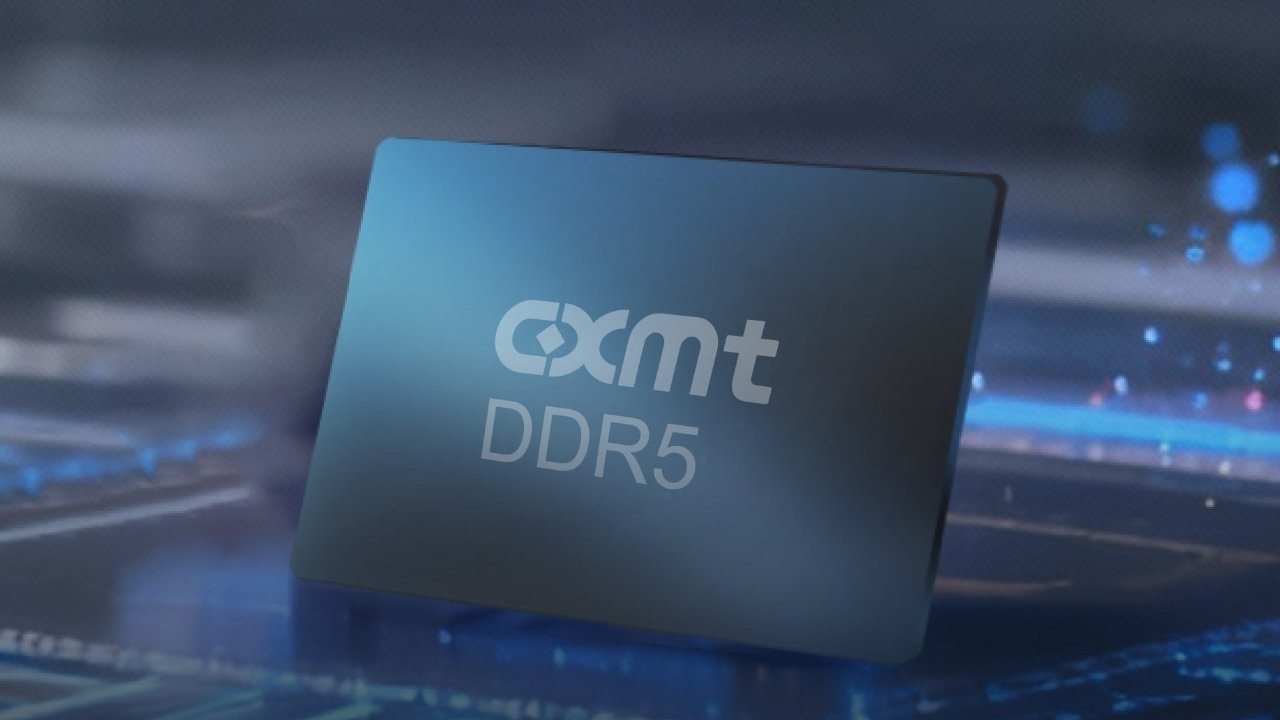
Commerce Secretary Howard Lutnick said the administration opposes American companies using Chinese memory.
Why It Matters
Restrictions or supply-chain pressure on Chinese memory could increase procurement costs and create shortages for AI servers, devices, and other compute infrastructure. AI companies dependent on Apple hardware or shared memory suppliers should monitor export controls and supplier concentration.
What To Do Next
Audit your AI infrastructure bill of materials and qualify at least one non-China memory supplier for systems that depend on Apple or similar hardware.
Key Points
- •Commerce Secretary Howard Lutnick said the administration opposes American companies using Chinese memory.
- •The US has not introduced a rule that legally blocks Apple from buying the chips.
- •Apple may need to evaluate alternative memory suppliers and associated cost and availability risks.
🧠 Deep Insight
AI-generated analysis for this event.
🔑 Enhanced Key Takeaways
- •The pressure centers on Yangtze Memory Technologies Co. (YMTC), a Chinese state-backed chipmaker that has been a focal point of US export controls since 2022.
- •US lawmakers have previously sent bipartisan letters to the Commerce Department urging the blacklisting of YMTC to prevent it from gaining market share in the US supply chain.
- •Apple had previously paused plans to use YMTC NAND flash memory chips in 2022 following intense political scrutiny and the company's addition to the Entity List.
- •The Trump administration's stance reflects a broader 'de-risking' strategy aimed at reducing reliance on Chinese semiconductor technology for critical US consumer electronics.
- •Industry analysts note that shifting away from Chinese memory suppliers could increase Apple's bill of materials (BOM) costs by forcing a transition to more expensive suppliers like Samsung, SK Hynix, or Micron.
📊 Competitor Analysis▸ Show
| Feature | YMTC (China) | Micron (US) | Samsung (Korea) |
|---|---|---|---|
| NAND Technology | Xtacking Architecture | Replacement Gate | V-NAND |
| Pricing | Highly Competitive | Premium/Market | Premium/Market |
| US Regulatory Status | Entity List Restricted | Compliant | Compliant |
🛠️ Technical Deep Dive
- YMTC utilizes a proprietary architecture known as Xtacking, which separates the peripheral circuits and the memory cell array onto different wafers before bonding them together.
- This design allows for higher density and faster I/O speeds compared to traditional monolithic NAND manufacturing processes.
- Apple's integration of memory chips typically involves LPDDR (Low Power Double Data Rate) DRAM for system memory and NAND flash for storage, both of which are subject to different supply chain constraints.
🔮 Future ImplicationsAI analysis grounded in cited sources
⏳ Timeline
📰 Event Coverage
Weekly AI Recap
Read this week's curated digest of top AI events →
👉Related Updates



AI-curated news aggregator. All content rights belong to original publishers.
Original source: The Next Web (TNW) ↗