US-Iran Conflict's 6 Impacts on Global Trade
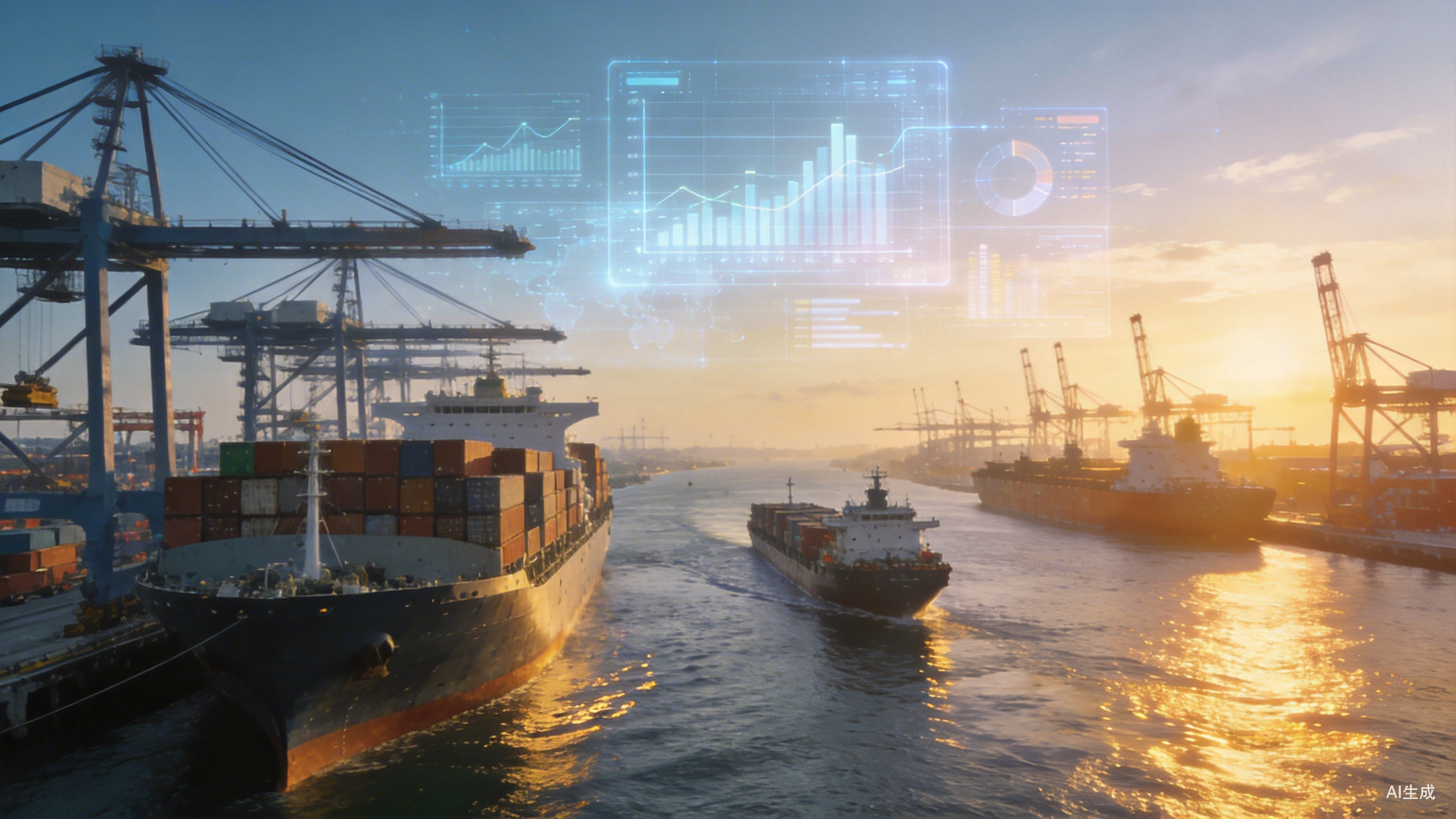
💡AI's role in trade risk mgmt & crisis decisions amid US-Iran war
⚡ 30-Second TL;DR
What Changed
War risk surcharges and Hormuz Strait premiums spike shipping, energy, and chemical costs.
Why It Matters
Trade becomes costlier and volatile, favoring large firms with AI tools for risk mitigation; smaller traders face cash flow squeezes. Accelerates AI adoption in enterprise for supply chain resilience amid geopolitics.
What To Do Next
Build AI pipeline fusing shipping AIS data with news APIs for real-time trade risk alerts.
Key Points
- •War risk surcharges and Hormuz Strait premiums spike shipping, energy, and chemical costs.
- •Geoeconomics drives friend-shoring and dual pricing systems for safer supply chains.
- •AI industrializes intel fusion, early warnings, and scenario planning for conflicts and trade.
- •Enterprises gain edge via AI for risk pricing, compliance alerts, and alt-supply switching.
🧠 Deep Insight
Background and context from public sources — not the original article. 4 sources cited.
🔑 Enhanced Key Takeaways
- •Strait of Hormuz closure has stalled 20% of global oil flows and disrupted 18% of air cargo, forcing logistics rerouting and shortages of perishable imports like fresh fruits and dairy in Gulf states within 20 days.[4]
- •US and Israel launched joint strikes on Iran on February 28, 2026, causing Brent crude to jump $10/bbl to nearly $80/bbl amid attacks on tankers and insurance cancellations.[2][3]
- •Iran's potential disruption to Qatar's LNG exports exceeding 10 billion cubic feet per day could drive US electric power prices higher if prolonged beyond weeks.[1]
- •Conflict risks targeting key facilities like Iran's Kharg Island exports or Saudi Abqaiq, potentially creating extended oil supply disruptions beyond initial price spikes.[2]
- •Unlike the shorter 2025 12-Day War, the 2026 conflict is expected to last 1-3 weeks or up to two months, amplifying sustained market volatility in oil, gold, and defense stocks.[3]
🔮 Future ImplicationsAI analysis grounded in cited sources
⏳ Timeline
📎 Sources (4)
Factual claims are grounded in the sources below. Forward-looking analysis is AI-generated interpretation.
Weekly AI Recap
Read this week's curated digest of top AI events →
👉Related Updates

AI-curated news aggregator. All content rights belong to original publishers.
Original source: 虎嗅 ↗
This is a summary, not the original. Read the source, or get the weekly briefing.
Weekly AI briefing
One email a week. Unsubscribe anytime.