Pony AI Revenue Doubles, but Losses Persist
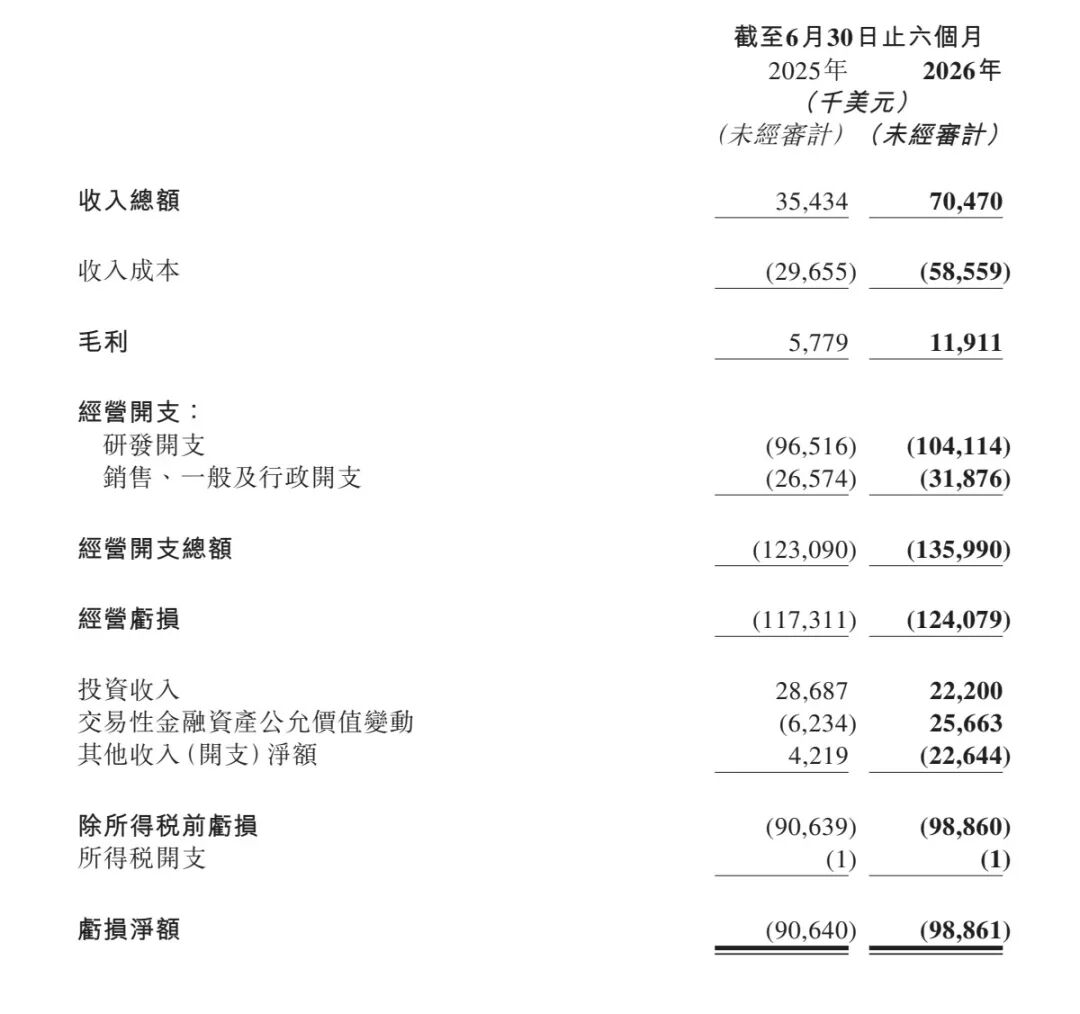
💡Pony AI’s growth exposes the hardest L4 question: can scaling Robotaxi operations actually improve margins?
⚡ 30-Second TL;DR
What Changed
First-half revenue reached $70.47 million, up 98.9% year over year, while Robotaxi revenue increased 534%.
Why It Matters
The results suggest that autonomous-driving scale is not yet translating into sustainable profitability for Pony AI. AI mobility founders should view fleet ownership, partner revenue sharing, and the choice between pure L4 and hybrid L2++ strategies as core business-model decisions, not merely deployment details.
What To Do Next
Build a city-level unit-economics model for your autonomous fleet that separately tracks vehicle depreciation, partner revenue shares, platform commissions, and AI-driver licensing revenue.
Key Points
- •First-half revenue reached $70.47 million, up 98.9% year over year, while Robotaxi revenue increased 534%.
- •Net loss rose 9.1% to $98.86 million, despite the reported net-loss rate falling from 255.8% to 140.3%.
- •Gross margin was only 16.9%, significantly below WeRide’s 36.6% in the same period.
- •The co-built fleet model reduces vehicle capital expenditure but diverts part of fleet profits to partners and limits margin upside.
- •Pony AI’s pure-L4 focus lacks the near-term cash flow support that L2++ businesses can provide.
Weekly AI Recap
Read this week's curated digest of top AI events →
👉Related Updates


AI-curated news aggregator. All content rights belong to original publishers.
Original source: 虎嗅 ↗
This is a summary, not the original. Read the source, or get the weekly briefing.
Weekly AI briefing
One email a week. Unsubscribe anytime.