🇨🇳cnBeta (Full RSS)•Freshcollected in 2h
US Freezes $130M in Iran-Linked Crypto Assets
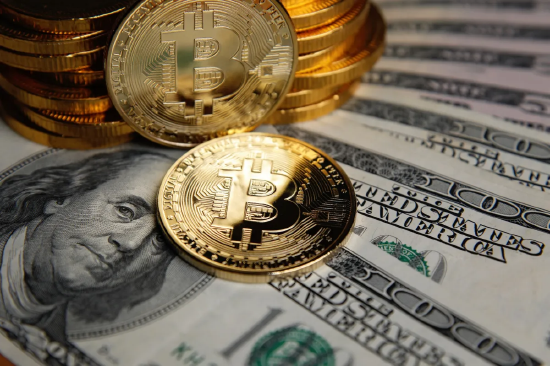
💡Understand how regulatory bodies are tracking and freezing crypto assets to ensure your project's compliance.
⚡ 30-Second TL;DR
What Changed
US Treasury froze over $130 million in crypto assets
Why It Matters
This highlights the increasing scrutiny of crypto-asset flows by regulatory bodies. Developers building decentralized finance (DeFi) tools should be aware of heightened AML/KYC compliance requirements.
What To Do Next
Review your platform's wallet screening tools to ensure compliance with updated OFAC sanctions lists.
Who should care:Founders & Product Leaders
Key Points
- •US Treasury froze over $130 million in crypto assets
- •Sanctions targeted wallets linked to the Central Bank of Iran
- •Action taken against 50+ targets in an evasion network
🧠 Deep Insight
AI-generated analysis for this event.
🔑 Enhanced Key Takeaways
- •The operation utilized advanced blockchain analytics tools to trace obfuscated transactions across multiple decentralized exchanges (DEXs) and mixers.
- •The sanctioned network allegedly utilized 'nested exchanges'—smaller crypto services that operate within larger, compliant exchanges—to mask the origin of funds.
- •This enforcement action is part of a broader interagency initiative involving the Department of Justice and international partners to combat illicit finance in the Middle East.
- •The frozen assets include a mix of stablecoins and privacy-focused cryptocurrencies, marking a shift in how sanctioned entities attempt to store value.
- •The US Treasury's Office of Foreign Assets Control (OFAC) identified specific wallet addresses that were previously linked to ransomware payments and state-sponsored cyber operations.
🛠️ Technical Deep Dive
- The investigation leveraged chain-hopping detection, identifying the movement of assets across different blockchain protocols to evade single-chain monitoring.
- Analysts utilized heuristic clustering to link disparate wallet addresses to a single entity, despite the use of non-custodial wallets.
- The enforcement relied on 'Know Your Transaction' (KYT) software to flag high-risk addresses associated with known Iranian financial intermediaries.
- The operation involved the identification of specific smart contract interactions that facilitated the conversion of illicit funds into fiat-pegged tokens.
🔮 Future ImplicationsAI analysis grounded in cited sources
Increased regulatory pressure on decentralized finance (DeFi) protocols.
The use of nested exchanges and DEXs in this case will likely lead to stricter KYC requirements for liquidity providers and protocol developers.
Acceleration of sovereign digital currency (CBDC) development in sanctioned nations.
As crypto-asset seizures become more effective, sanctioned states are incentivized to develop proprietary, non-public digital payment rails to bypass international oversight.
⏳ Timeline
2023-09
US Treasury expands sanctions targeting Iranian drone and military component procurement networks.
2024-05
OFAC issues updated guidance on the use of virtual assets by sanctioned Iranian financial institutions.
2025-02
US authorities announce a crackdown on crypto-mixers used by state-sponsored actors to launder funds.
2026-07
US Treasury freezes $130M in crypto assets linked to the Central Bank of Iran.
📰
Weekly AI Recap
Read this week's curated digest of top AI events →
👉Related Updates

AI-curated news aggregator. All content rights belong to original publishers.
Original source: cnBeta (Full RSS) ↗