Unitree Shifts from Humanlike to Superhuman
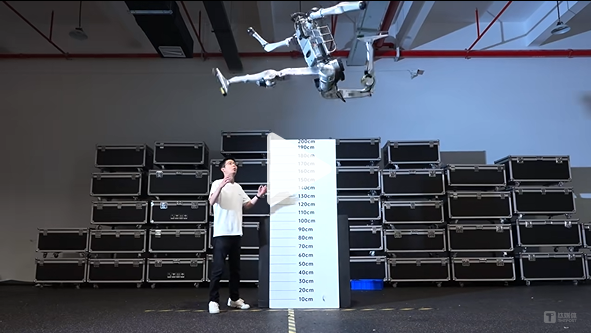
💡See how Unitree is reframing humanoid robots from looking human to outperforming humans before its IPO.
⚡ 30-Second TL;DR
What Changed
Unitree’s messaging is moving from humanoid resemblance toward capability and performance superiority.
Why It Matters
The shift could influence how humanoid-robot companies position embodied AI before entering public markets. For AI founders, it highlights the importance of translating technical capability into a credible narrative for investors and customers.
What To Do Next
Review Unitree’s IPO prospectus and latest robot demonstrations to compare advertised capabilities with measurable autonomy, manipulation, and locomotion benchmarks.
Key Points
- •Unitree’s messaging is moving from humanoid resemblance toward capability and performance superiority.
- •The communications shift is taking place immediately before the company’s planned STAR Market listing.
- •The article treats marketing language as an indicator of Unitree’s changing corporate and product positioning.
🧠 Deep Insight
AI-generated analysis for this event.
🔑 Enhanced Key Takeaways
- •Unitree's G1 and H1 models have transitioned from research-focused platforms to mass-production units, with the G1 starting at a price point of approximately $16,000 to lower the barrier for industrial adoption.
- •The company has secured significant backing from major Chinese venture capital firms and state-linked funds, which has been instrumental in accelerating the timeline for their STAR Market debut.
- •Unitree has integrated proprietary 'Unitree Brain' AI models that emphasize real-time reinforcement learning, allowing robots to adapt to unstructured environments faster than previous generation teleoperated systems.
- •The shift to 'superhuman' messaging aligns with the company's new focus on 'General Purpose Humanoid' (GPH) applications in manufacturing, specifically targeting tasks that exceed human endurance and precision in hazardous environments.
- •Market analysts note that Unitree's IPO strategy involves positioning itself as a hardware-software integrated platform rather than just a robotics manufacturer, aiming to capture higher valuation multiples similar to AI software firms.
📊 Competitor Analysis▸ Show
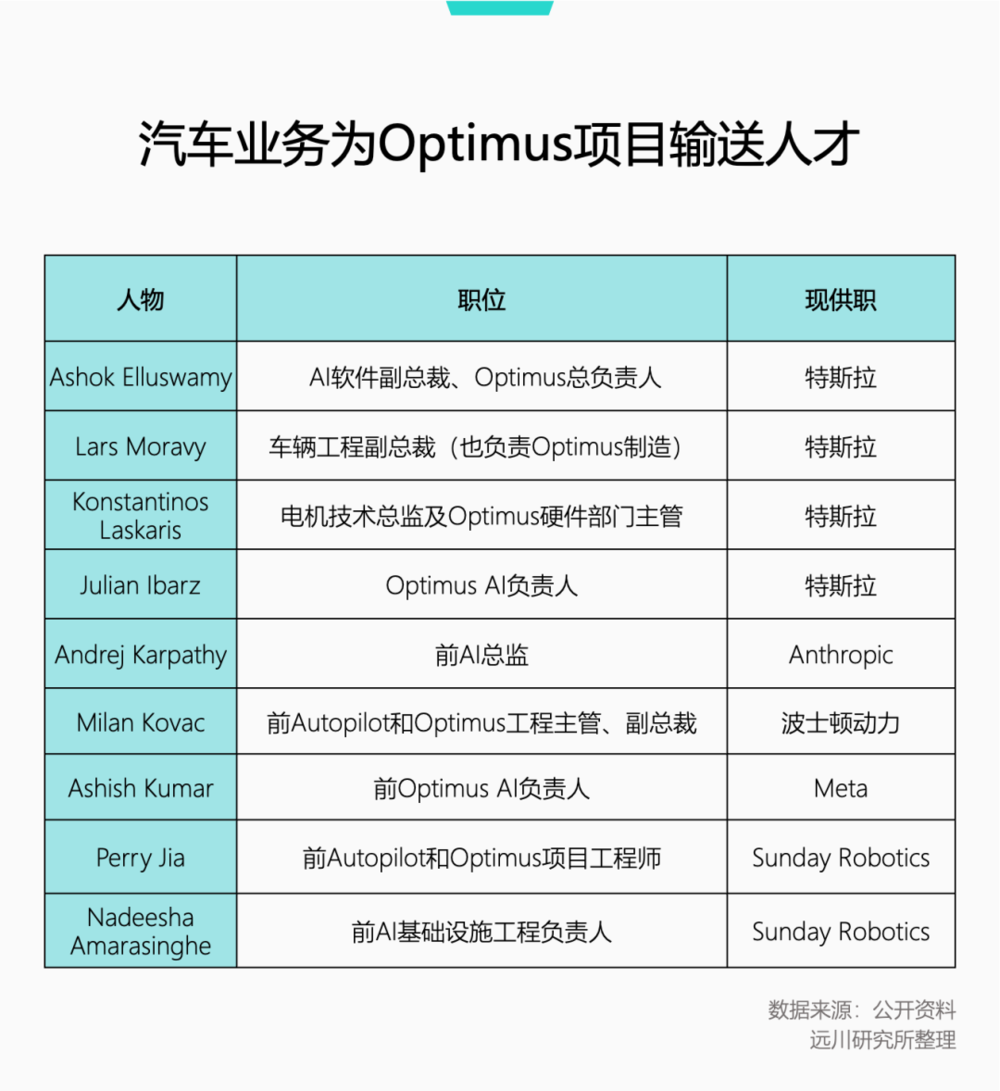
| Feature | Unitree (G1/H1) | Tesla (Optimus) | Figure AI (Figure 02) |
|---|---|---|---|
| Primary Focus | Industrial/Research | Mass Consumer/Factory | Commercial/Logistics |
| Pricing | ~$16k - $90k | Est. <$20k (Target) | High (Enterprise) |
| Key Advantage | High agility/Cost-efficiency | Scale/AI Ecosystem | Human-level dexterity |
🛠️ Technical Deep Dive
- Actuator Technology: Utilizes high-torque density joint motors with integrated planetary gearboxes to achieve high-speed locomotion and impact resistance.
- Control Architecture: Employs a hierarchical control system combining Whole-Body Control (WBC) for stability and Reinforcement Learning (RL) for complex task execution.
- Sensing Suite: Features 3D LiDAR and depth cameras for real-time SLAM and obstacle avoidance, supplemented by force-torque sensors in the extremities for tactile feedback.
- Power System: High-energy-density lithium-ion battery packs designed for 2-3 hours of continuous operation in dynamic environments.
🔮 Future ImplicationsAI analysis grounded in cited sources
⏳ Timeline
Weekly AI Recap
Read this week's curated digest of top AI events →
👉Related Updates

AI-curated news aggregator. All content rights belong to original publishers.
Original source: 钛媒体 ↗