Uber ends Waymo partnership in Phoenix for autonomous strategy
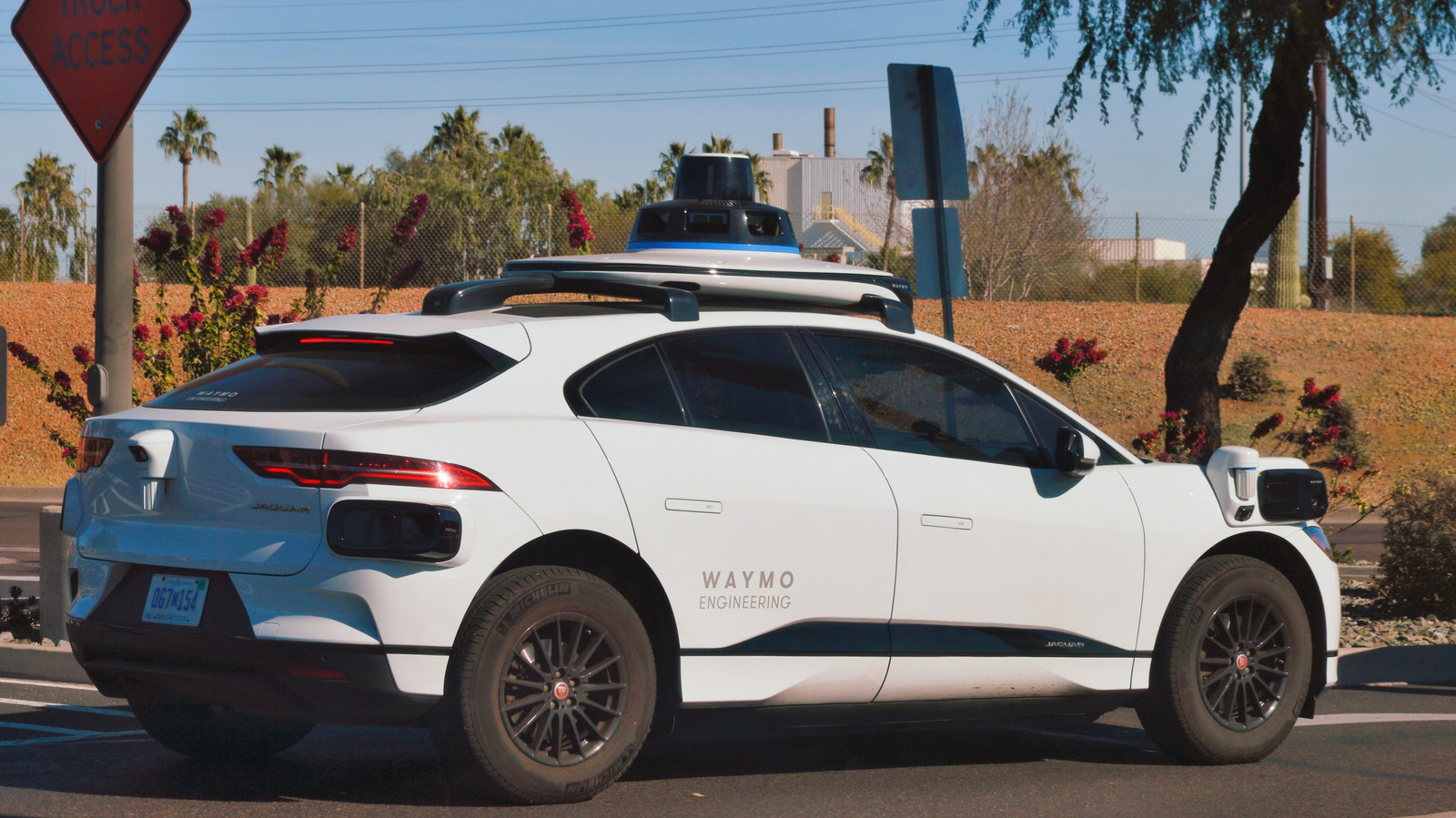
💡Uber's pivot to in-house AV tech marks a major shift in the autonomous ride-hailing ecosystem landscape.
⚡ 30-Second TL;DR
What Changed
Uber discontinued the integration of Waymo rides within its platform in Phoenix.
Why It Matters
This shift indicates that major ride-hailing platforms are prioritizing vertical integration in autonomous driving. It suggests increased competition between dedicated AV companies and platform-owned autonomous fleets.
What To Do Next
Monitor Uber's developer documentation for new autonomous fleet management APIs as they transition to their own proprietary stack.
Key Points
- •Uber discontinued the integration of Waymo rides within its platform in Phoenix.
- •The move signals a strategic pivot toward in-house autonomous vehicle development.
- •Uber aims to control the full stack of its driverless ride-hailing experience rather than relying on external partnerships.
🧠 Deep Insight
AI-generated analysis for this event — not the original article.
🔑 Enhanced Key Takeaways
- •Uber's decision follows the successful completion of its multi-year 'Project Vector' internal initiative, which focused on developing a proprietary Level 4 autonomous driving stack.
- •The pivot is driven by Uber's desire to capture higher margins by eliminating revenue-sharing agreements previously required by the Waymo partnership model.
- •Regulatory filings indicate Uber has secured expanded testing permits in Arizona and Texas, signaling a broader geographic rollout strategy beyond the Phoenix metropolitan area.
- •Uber is integrating its new autonomous stack with its existing 'Uber One' subscription service to incentivize adoption among its most frequent users.
- •Industry analysts note that this move mirrors Uber's 2020 divestment of its Advanced Technologies Group (ATG) to Aurora, marking a complete reversal in its long-term autonomous strategy.
📊 Competitor Analysis▸ Show
| Feature | Uber (Proprietary) | Waymo | Tesla (Cybercab) |
|---|---|---|---|
| Deployment Model | Hybrid (Human/AV) | Dedicated Robotaxi | Consumer/Fleet Hybrid |
| Geographic Focus | Tier-1 US Cities | Dense Urban Centers | Nationwide/Scalable |
| Stack Control | Full Stack | Full Stack | Full Stack (Vision Only) |
| Pricing Strategy | Dynamic/Subscription | Premium/Per-Mile | Low-cost/High-volume |
🛠️ Technical Deep Dive
- Uber's new autonomous stack utilizes a sensor-fusion architecture combining high-resolution LiDAR, radar, and long-range cameras.
- The system employs a transformer-based perception model trained on petabytes of historical ride-hailing data to predict human driver behavior.
- Implementation relies on a cloud-based 'Digital Twin' simulation environment for continuous model training and edge-case validation.
- The vehicle control system features redundant compute modules to ensure fail-operational capabilities in the event of hardware failure.
🔮 Future ImplicationsAI analysis grounded in cited sources
⏳ Timeline
📰 Event Coverage
Weekly AI Recap
Read this week's curated digest of top AI events →
👉Related Updates
AI-curated news aggregator. All content rights belong to original publishers.
Original source: Engadget ↗
This is a summary, not the original. Read the source, or get the weekly briefing.
Weekly AI briefing
One email a week. Unsubscribe anytime.