Uber and Waymo End Phoenix Robotaxi Partnership
💡Understand how the competitive landscape for autonomous ride-hailing platforms is shifting between major tech players.
⚡ 30-Second TL;DR
What Changed
Uber and Waymo have wound down their Phoenix robotaxi partnership
Why It Matters
This shift signals a reconfiguration of the autonomous ride-hailing market, forcing competitors to reassess their platform-agnostic strategies.
What To Do Next
Monitor Uber's upcoming partner announcements to identify which new autonomous stack will integrate with their massive consumer user base.
Key Points
- •Uber and Waymo have wound down their Phoenix robotaxi partnership
- •The two companies continue to operate as both partners and competitors
- •Uber is actively seeking a new partner for its autonomous vehicle network
🧠 Deep Insight
AI-generated analysis for this event — not the original article.
🔑 Enhanced Key Takeaways
- •The dissolution of the Phoenix partnership follows Uber's strategic pivot toward an 'open network' model, allowing the company to integrate multiple autonomous vehicle (AV) providers rather than relying on a single exclusive operator.
- •Industry analysts suggest the split was driven by disagreements over data sharing protocols and the revenue-split model, which Uber sought to adjust to improve unit economics for its ride-hailing platform.
- •Waymo is reportedly shifting its Phoenix strategy to focus more heavily on its standalone 'Waymo One' application, aiming to capture the full consumer value chain without Uber's platform fees.
- •Uber has been in advanced negotiations with other autonomous technology developers, including Aurora Innovation and potentially international players, to fill the capacity gap left by Waymo's exit.
- •Regulatory filings indicate that the transition period for existing Phoenix users will be phased over the next 30 days to ensure service continuity before the partnership officially ceases operations.
📊 Competitor Analysis▸ Show
| Feature | Waymo (Standalone) | Uber (New AV Strategy) | Tesla (Cybercab) |
|---|---|---|---|
| Operational Model | Vertically Integrated | Network Aggregator | Vertically Integrated |
| Market Focus | High-density urban | Multi-partner scale | Consumer/Fleet hybrid |
| Pricing Strategy | Premium/Fixed | Dynamic/Market-based | Low-cost/Subscription |
| AV Maturity | Level 4 (Proven) | Varies by Partner | Level 2+/3 (Developing) |
🛠️ Technical Deep Dive
- Waymo's Phoenix operations utilize the 5th and 6th generation Jaguar I-PACE platform equipped with a sensor suite including LiDAR, radar, and high-resolution cameras.
- The system relies on a proprietary 'Waymo Driver' software stack featuring redundant compute units and real-time sensor fusion for path planning.
- Uber's integration architecture utilizes an API-based 'AV Dispatch' layer that abstracts vehicle-specific telemetry, allowing the platform to ingest data from diverse autonomous fleets.
- The transition involves migrating user routing data from Waymo's proprietary mapping interface to Uber's global routing engine to maintain consistent ETAs and pickup accuracy.
🔮 Future ImplicationsAI analysis grounded in cited sources
⏳ Timeline
📰 Event Coverage
Weekly AI Recap
Read this week's curated digest of top AI events →
👉Related Updates
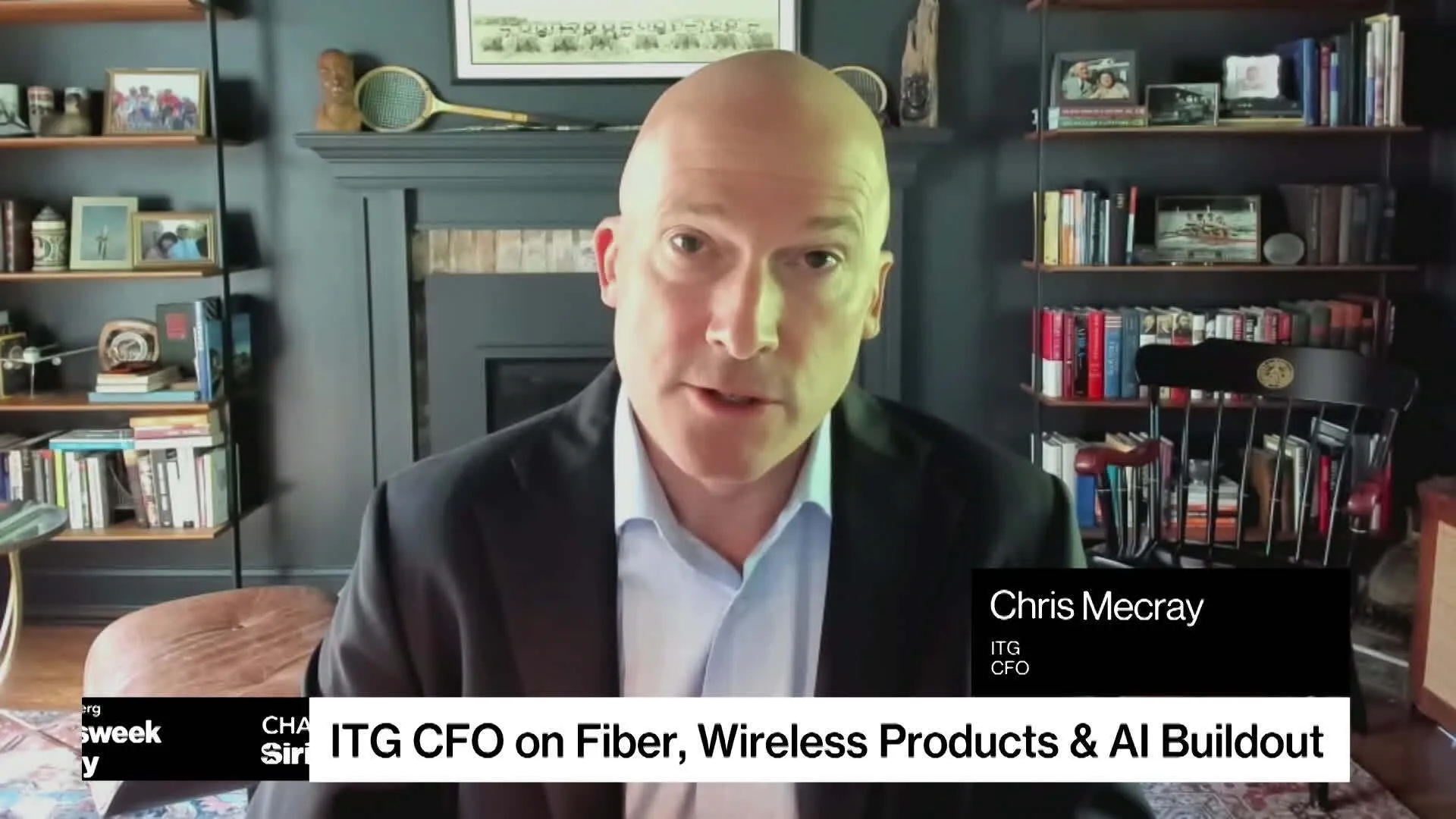
AI-curated news aggregator. All content rights belong to original publishers.
Original source: Bloomberg Technology ↗
This is a summary, not the original. Read the source, or get the weekly briefing.
Weekly AI briefing
One email a week. Unsubscribe anytime.