SourceEngadget•Stalecollected in 34m
US Supreme Court restricts use of geofence warrants
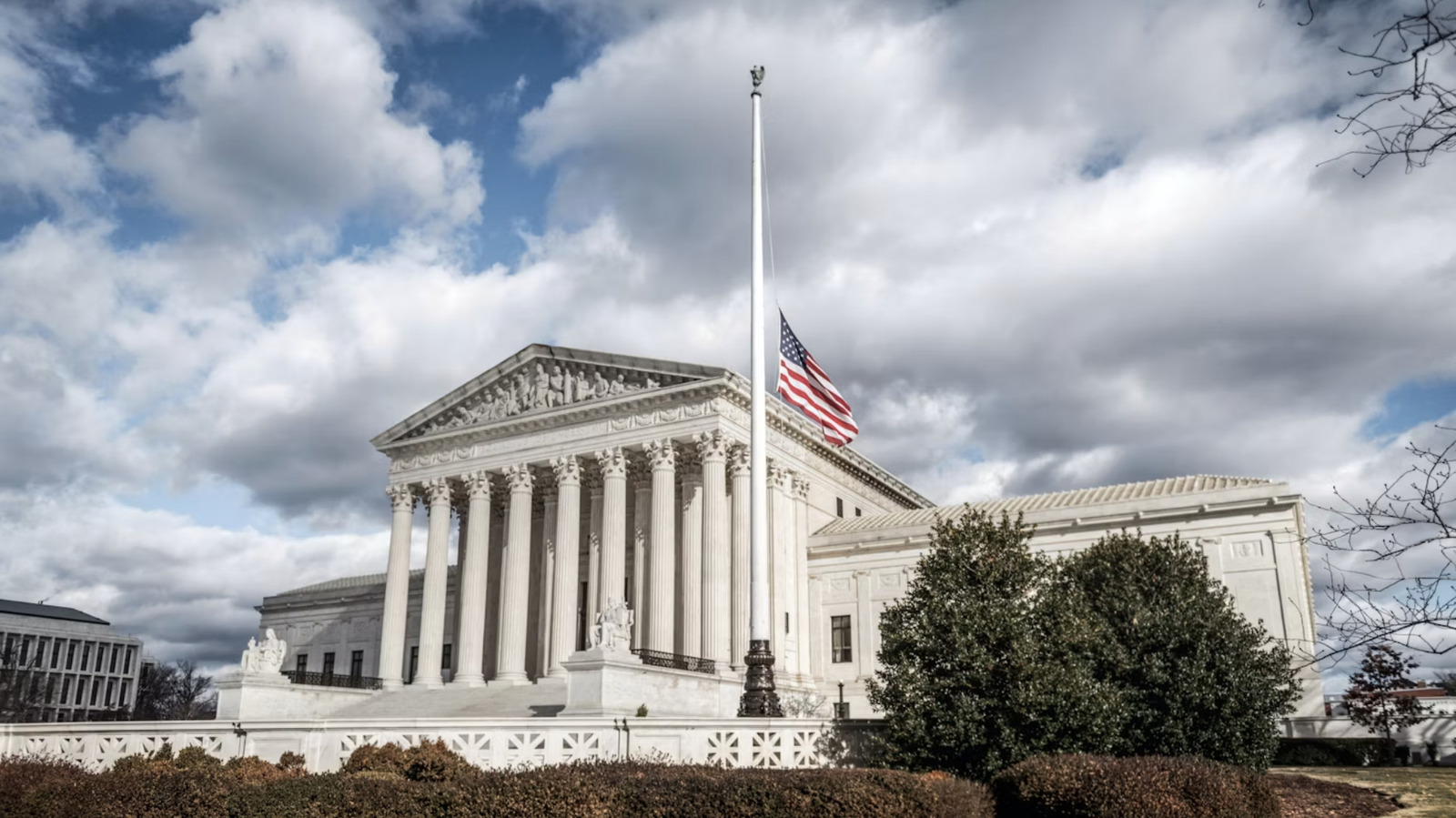
Crucial legal shift affecting how AI apps handle sensitive user location data and government data requests.
30-Second TL;DR
What Changed
最高法院限制執法機構廣泛調取地理位置數據
Why It Matters
此裁決將改變科技公司處理政府數據請求的標準,對於開發基於位置服務的 AI 應用程式具有重要的法律合規意義。
What To Do Next
Audit your application's data retention and privacy policies regarding user location data to ensure compliance with evolving legal standards.
Who should care:Developers & AI Engineers
Key Points
- •最高法院限制執法機構廣泛調取地理位置數據
- •判決旨在保護公民隱私權免受大規模數位監控
- •將迫使科技公司重新評估其數據共享與隱私合規流程
Deep Insight
AI-generated analysis for this event — not the original article.
Enhanced Key Takeaways
- •The ruling specifically addresses the Fourth Amendment implications of 'reverse-location' searches, where law enforcement requests data for all devices present in a specific area during a specific timeframe.
- •Justice Department officials argued that geofence warrants were essential for solving complex crimes, including kidnappings and domestic terrorism, but the Court found the lack of individualized suspicion unconstitutional.
- •Tech companies like Google and Meta have already begun phasing out or restricting the storage of granular 'Sensorvault' or similar location history databases in response to mounting legal pressure.
- •The decision establishes a new legal standard requiring law enforcement to demonstrate 'particularized probable cause' for each individual device owner before obtaining location data.
- •Privacy advocates note that this ruling creates a significant precedent that may eventually extend to other forms of mass digital surveillance, such as keyword search warrants.
Technical Deep Dive
- Geofence warrants typically target databases like Google's Sensorvault, which aggregates GPS, Wi-Fi, Bluetooth, and cellular tower data to create a high-fidelity movement history.
- The technical process involved law enforcement providing a 'geofence' (a polygon defined by latitude and longitude coordinates) to the service provider.
- Providers would query their databases to identify all unique device IDs (often anonymized) within that polygon during a specified time window.
- In the second stage, law enforcement would request de-anonymization of specific IDs deemed relevant to the investigation, often requiring a second warrant.
- The Court's ruling effectively mandates that the initial dragnet query is itself a search requiring a warrant based on individualized suspicion, rendering the initial broad data dump technically and legally non-compliant.
Future ImplicationsAI analysis grounded in cited sources
Law enforcement agencies will shift focus toward traditional surveillance methods.
The increased legal burden for obtaining digital location data makes geofence warrants less efficient than physical surveillance or targeted subpoenas.
Tech companies will implement end-to-end encryption for location data.
To limit liability and comply with the ruling, companies are incentivized to move location data storage from centralized servers to on-device processing.
Timeline
2019-04
Google begins receiving a significant increase in geofence warrant requests from US law enforcement.
2022-01
Google announces it will stop storing granular location history in its 'Sensorvault' database for some users.
2023-12
Google updates its location history settings to store data locally on user devices rather than in the cloud.
2026-06
US Supreme Court issues final ruling restricting the use of geofence warrants.
- 2019-04Google begins receiving a significant increase in geofence warrant requests from US law enforcement.
- 2022-01Google announces it will stop storing granular location history in its 'Sensorvault' database for some users.
- 2023-12Google updates its location history settings to store data locally on user devices rather than in the cloud.
- 2026-06US Supreme Court issues final ruling restricting the use of geofence warrants.
Event Coverage
Weekly AI Recap
Read this week's curated digest of top AI events →
Related Updates

AI-curated news aggregator. All content rights belong to original publishers.
Original source: Engadget ↗
This is a summary, not the original. Read the source, or get the weekly briefing.
The weekly digest
One email a week. Unsubscribe anytime.