The Memory Doomsday: AI Demand Strains Global Supply
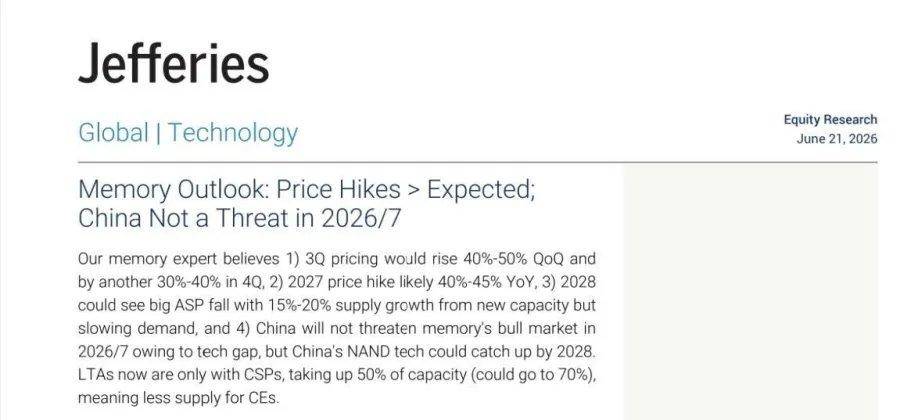
💡Understand how the AI memory supply crunch is reshaping hardware costs and long-term procurement strategies.
⚡ 30-Second TL;DR
What Changed
HBM production is a 'capacity black hole' consuming 2-3x the wafer area of traditional DRAM.
Why It Matters
The shift toward HBM-focused production will likely keep memory prices high for years, potentially slowing the adoption of AI hardware in cost-sensitive sectors.
What To Do Next
Diversify your hardware supply chain and secure long-term memory allocations if you are building large-scale AI infrastructure.
Key Points
- •HBM production is a 'capacity black hole' consuming 2-3x the wafer area of traditional DRAM.
- •Memory giants like Micron are shifting to 3-5 year 'Take-or-pay' strategic customer agreements (SCA).
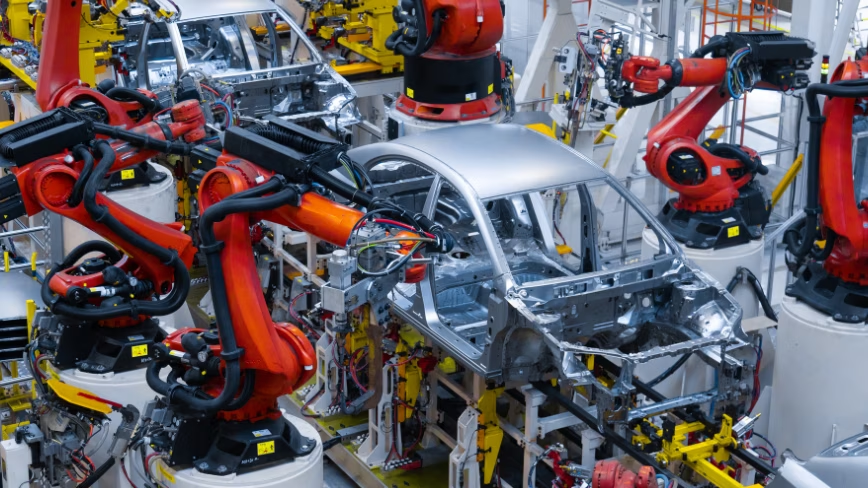
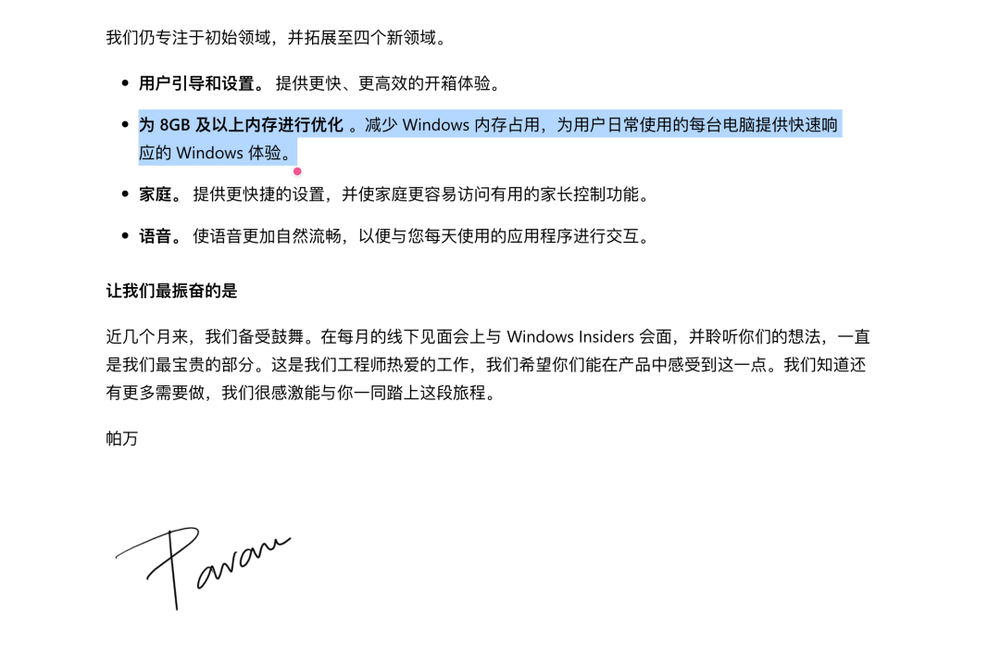
- •Consumer electronics manufacturers are facing rising costs as memory supply is locked for AI server demand.
- •Module manufacturers are seeing record profits but face high inventory risks in a volatile market.
🧠 Deep Insight
AI-generated analysis for this event — not the original article.
🔑 Enhanced Key Takeaways
- •HBM3e and HBM4 transition cycles are accelerating, with HBM4 expected to utilize 12nm or even 10nm-class logic dies to manage thermal density and power efficiency.
- •The 'Memory Wall' phenomenon is driving a shift toward CXL (Compute Express Link) 3.0/3.1 adoption to allow memory pooling and expansion, mitigating the physical constraints of HBM capacity.
- •Major DRAM manufacturers are increasingly utilizing TSV (Throughput Silicon Via) packaging capacity as the primary bottleneck, rather than raw wafer production, leading to massive investments in advanced packaging facilities.
- •Foundry-Memory integration is deepening, with companies like TSMC and Samsung offering 'CoWoS' (Chip-on-Wafer-on-Substrate) and 'I-Cube' services that bundle memory and logic production to secure supply chains.
- •The shift toward AI-specific memory has caused a divergence in DRAM pricing, where legacy DDR4 prices remain stagnant while HBM and high-speed DDR5 prices command significant premiums due to non-substitutable demand.
📊 Competitor Analysis▸ Show
| Feature | SK Hynix (HBM3e/4) | Samsung (HBM3e/4) | Micron (HBM3e) |
|---|---|---|---|
| Market Position | Dominant (NVIDIA Supplier) | Aggressive Expansion | Challenger (Custom HBM) |
| Packaging Tech | MR-MUF | TC-NCF | Hybrid Bonding Focus |
| Pricing Strategy | Premium/Long-term | Competitive/Volume | Value/Performance |
| Key Advantage | High Yield/Early Lead | Vertical Integration | Power Efficiency |
🛠️ Technical Deep Dive
- HBM3e Architecture: Utilizes 8-high or 12-high stacks with per-pin data rates reaching 9.6 Gbps to 10 Gbps.
- TSV (Throughput Silicon Via): Essential for vertical interconnects; current challenges involve managing thermal dissipation in 12-high stacks.
- Logic Die Integration: HBM4 will move to a 2048-bit wide interface (doubled from HBM3e's 1024-bit) to increase bandwidth without requiring excessive clock speeds.
- CXL 3.0 Implementation: Enables memory expansion through a switch-based fabric, allowing CPUs/GPUs to access shared memory pools with low latency.
🔮 Future ImplicationsAI analysis grounded in cited sources
⏳ Timeline
Weekly AI Recap
Read this week's curated digest of top AI events →
👉Related Updates

AI-curated news aggregator. All content rights belong to original publishers.
Original source: 虎嗅 ↗
This is a summary, not the original. Read the source, or get the weekly briefing.
Weekly AI briefing
One email a week. Unsubscribe anytime.