Sony Delays PS6 Pricing on Memory Cost Volatility
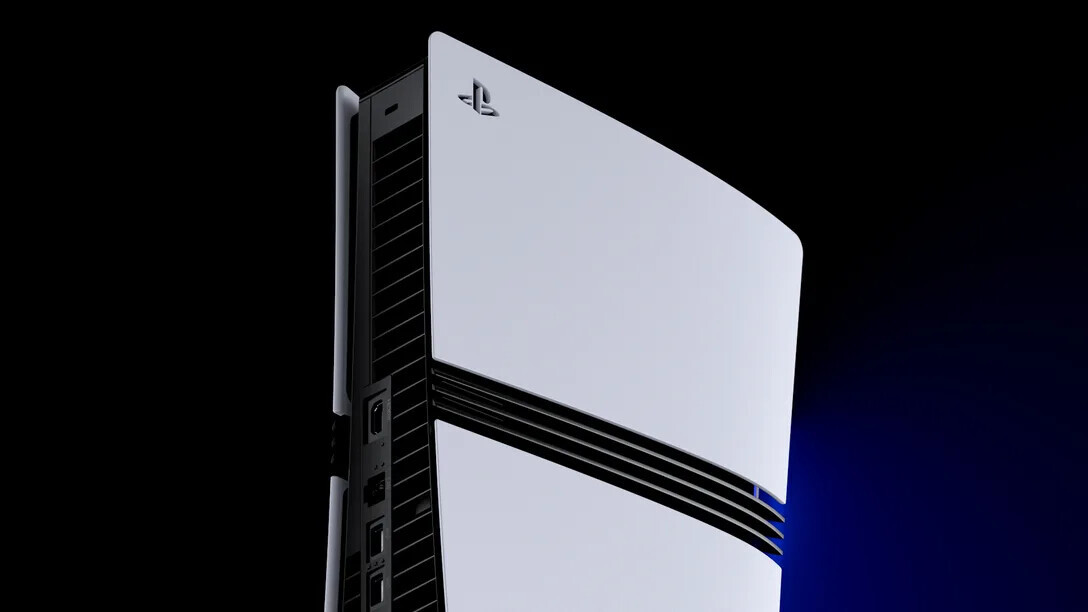
Memory volatility hits PS6 plans; same supply risks for AI GPUs/data centers
30-Second TL;DR
What Changed
PS6 pricing and launch timeline undecided
Why It Matters
Memory price uncertainty signals broader supply chain risks for high-memory hardware like AI GPUs and servers. Could delay next-gen console and AI infra rollouts. AI teams should factor in volatile costs for budgeting.
What To Do Next
Track DRAM price forecasts from TrendForce to adjust AI cluster hardware budgets.
Key Points
- •PS6 pricing and launch timeline undecided
- •Key factor: uncertain future memory prices
- •Sony CEO's statement in investor conference call
- •Dismisses rumors on price and release window
Deep Insight
AI-generated analysis for this event — not the original article.
Enhanced Key Takeaways
- •Sony is reportedly evaluating a shift toward high-bandwidth memory (HBM) architectures to maintain performance parity with next-generation PC gaming hardware, which is driving the current supply chain cost uncertainty.
- •The volatility in memory pricing is exacerbated by a global surge in demand for AI-specific compute hardware, which is currently prioritizing high-capacity DRAM allocation over consumer electronics.
- •Internal Sony documentation suggests that the company is exploring a 'modular' hardware design strategy to mitigate the impact of component price spikes on the final retail price of the console.
Competitor Analysis
- Sony PS6 (Projected)
- High-Bandwidth (HBM) focus
- Microsoft Next-Gen Xbox (Projected)
- Unified GDDR7
- Nintendo 'Switch 2' Successor
- LPDDR5X
- Sony PS6 (Projected)
- Undecided (Cost-sensitive)
- Microsoft Next-Gen Xbox (Projected)
- Undecided (Ecosystem-focused)
- Nintendo 'Switch 2' Successor
- Value-oriented
- Sony PS6 (Projected)
- High-fidelity 4K/8K gaming
- Microsoft Next-Gen Xbox (Projected)
- Cloud/Hardware Hybrid
- Nintendo 'Switch 2' Successor
- Portable/Hybrid
| Feature/Metric | Sony PS6 (Projected) | Microsoft Next-Gen Xbox (Projected) | Nintendo 'Switch 2' Successor |
|---|---|---|---|
| Memory Architecture | High-Bandwidth (HBM) focus | Unified GDDR7 | LPDDR5X |
| Pricing Strategy | Undecided (Cost-sensitive) | Undecided (Ecosystem-focused) | Value-oriented |
| Primary Target | High-fidelity 4K/8K gaming | Cloud/Hardware Hybrid | Portable/Hybrid |
Technical Deep Dive
- •Architecture: Expected to utilize a custom semi-custom SoC based on an advanced node (likely 3nm or 2nm process).
- •Memory: Transitioning from GDDR6/6X to GDDR7 or HBM3e to handle increased bandwidth requirements for real-time ray tracing and AI-driven upscaling.
- •Storage: Integration of next-generation NVMe SSDs with proprietary I/O throughput controllers to minimize latency in asset streaming.
Future ImplicationsAI analysis grounded in cited sources
Timeline
- 2020-11Launch of PlayStation 5 in major markets.
- 2023-11Release of PlayStation 5 'Slim' model with updated internal component layout.
- 2024-11Launch of PlayStation 5 Pro, focusing on enhanced GPU performance and AI upscaling.
- 2026-05CEO Hiroki Totoki confirms pricing and launch window for PS6 remain undecided due to memory costs.
Weekly AI Recap
Read this week's curated digest of top AI events →
Related Updates

AI-curated news aggregator. All content rights belong to original publishers.
Original source: cnBeta (Full RSS) ↗
This is a summary, not the original. Read the source, or get the weekly briefing.
The weekly digest
One email a week. Unsubscribe anytime.