SMIC acquires remaining stake in SMIC North
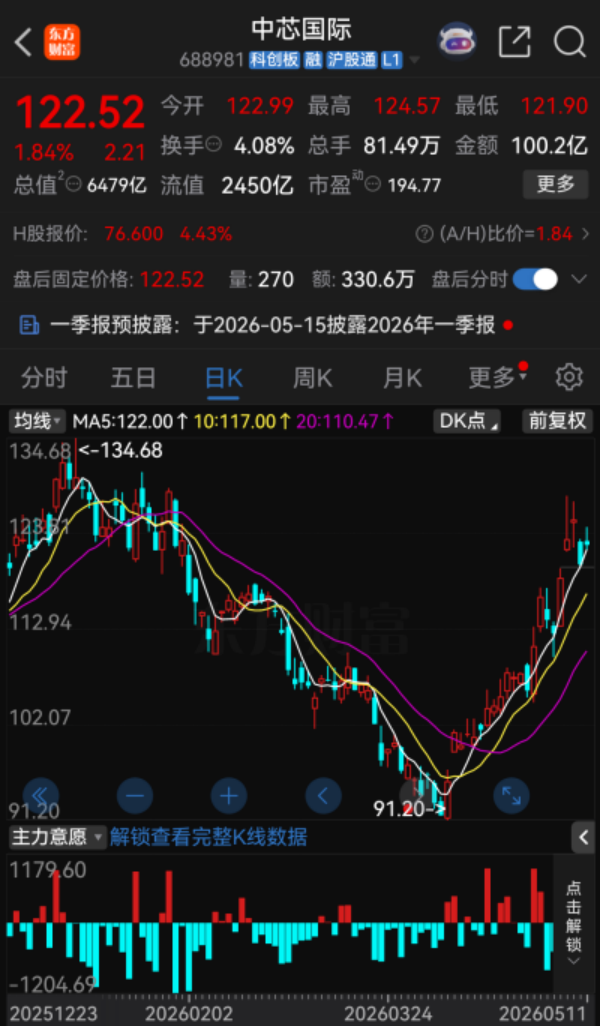
SMIC consolidates 12-inch wafer capacity to boost mature node efficiency.
30-Second TL;DR
What Changed
SMIC acquired 49% of SMIC North via stock issuance, totaling 40.6 billion RMB.
Why It Matters
This move strengthens SMIC's control over its mature node capacity, which is critical for domestic substitution in sectors like automotive and IoT. It signals a broader trend of Chinese tech giants consolidating assets to optimize scale.
What To Do Next
Analyze the impact of consolidated mature process capacity on your supply chain if you source chips from Chinese foundries.
Key Points
- •SMIC acquired 49% of SMIC North via stock issuance, totaling 40.6 billion RMB.
- •Consolidation allows unified control over 12-inch wafer production lines (65nm to 28nm).
- •The move simplifies governance and removes operational friction with minority shareholders.
- •Supported by favorable regulatory policies for hard-tech industry consolidation.
Deep Insight
Background and context from public sources — not the original article. 22 sources cited.
Enhanced Key Takeaways
- •SMIC North, initially a joint venture established in 2013 with an investment of $3.59 billion and registered capital of $1.2 billion, was co-founded by SMIC, SMIC Beijing, Zhongguancun Development Group, and Beijing Industrial Investment.
- •The acquisition, valued at approximately 40.6 billion yuan (around $6.0 billion), represents the largest share-issuance asset acquisition in the history of China's STAR Market.
- •SMIC North operates a fab with a monthly capacity of 70,000 to 75,000 12-inch wafers, specializing in process technologies ranging from 65nm to 28nm, including 28nm Polysion and high-k metal gate (HKMG) processes.
- •The transaction involves SMIC issuing approximately 547 million shares at 74.20 yuan per share to five state-backed entities, including the China National Integrated Circuit Industry Investment Fund (the "Big Fund"), IC Investment Center, Beijing E-Town International Investment, Zhongguancun Development Group, and Beijing Industrial Investment.
- •The regulatory review process for this acquisition was completed in a notably swift 75 days, approximately one-third faster than the average for similar projects, highlighting strong policy support for consolidation within China's strategic semiconductor industry.
Competitor Analysis
- SMIC (China)
- 3rd
- TSMC (Taiwan)
- 1st
- Samsung Foundry (South Korea)
- 2nd
- UMC (Taiwan)
- 4th (approx)
- GlobalFoundries (USA)
- 5th (approx)
- Hua Hong Semiconductor (China)
- 6th (approx)
- SMIC (China)
- 70,000-75,000 wafers/month (SMIC North)
- TSMC (Taiwan)
- ~1.4 million 12-inch equiv. wafers/month (2023)
- Samsung Foundry (South Korea)
- Significant, but less disclosed for mature nodes
- UMC (Taiwan)
- Significant
- GlobalFoundries (USA)
- Significant
- Hua Hong Semiconductor (China)
- Expanding, 20,000 12-inch wafers/month by 2025 (Wuxi)
- SMIC (China)
- 65nm, 40nm, 28nm (Polysion, HKMG)
- TSMC (Taiwan)
- 65nm, 40nm, 28nm, 22nm, 16/12nm, 7nm, 5nm, 3nm, 2nm
- Samsung Foundry (South Korea)
- 28nm, 14nm, 10nm, 7nm, 5nm, 3nm (GAA)
- UMC (Taiwan)
- 65nm, 40nm, 28nm, 22nm
- GlobalFoundries (USA)
- 65nm, 40nm, 28nm, 22FDX, 14nm
- Hua Hong Semiconductor (China)
- 65nm, 55nm, shifting to 28nm, 22nm
- SMIC (China)
- Mature nodes (65nm-28nm), domestic demand, industrial control, automotive, consumer electronics, AIoT
- TSMC (Taiwan)
- Leading-edge, advanced nodes, broad applications
- Samsung Foundry (South Korea)
- Advanced nodes, memory, broad applications
- UMC (Taiwan)
- Mature and specialty nodes (e.g., display drivers, power management ICs)
- GlobalFoundries (USA)
- Specialty processes, automotive, industrial, IoT
- Hua Hong Semiconductor (China)
- Mature nodes, power management, embedded non-volatile memory
- SMIC (China)
100% (first 8 months)
- TSMC (Taiwan)
- High
- Samsung Foundry (South Korea)
- High
- UMC (Taiwan)
- High
- GlobalFoundries (USA)
- High
- Hua Hong Semiconductor (China)
- High
- SMIC (China)
- Consolidation, self-reliance, domestic substitution
- TSMC (Taiwan)
- Global leader, technology innovation
- Samsung Foundry (South Korea)
- Global leader, technology innovation
- UMC (Taiwan)
- Diversified customer base
- GlobalFoundries (USA)
- Niche markets, geopolitical diversification
- Hua Hong Semiconductor (China)
- Domestic expansion, mature process focus
| Feature/Company | SMIC (China) | TSMC (Taiwan) | Samsung Foundry (South Korea) | UMC (Taiwan) | GlobalFoundries (USA) | Hua Hong Semiconductor (China) |
|---|---|---|---|---|---|---|
| Global Foundry Rank (2025 Revenue) | 3rd | 1st | 2nd | 4th (approx) | 5th (approx) | 6th (approx) |
| 12-inch Wafer Capacity (SMIC North) | 70,000-75,000 wafers/month (SMIC North) | ~1.4 million 12-inch equiv. wafers/month (2023) | Significant, but less disclosed for mature nodes | Significant | Significant | Expanding, 20,000 12-inch wafers/month by 2025 (Wuxi) |
| Key Process Nodes (12-inch) | 65nm, 40nm, 28nm (Polysion, HKMG) | 65nm, 40nm, 28nm, 22nm, 16/12nm, 7nm, 5nm, 3nm, 2nm | 28nm, 14nm, 10nm, 7nm, 5nm, 3nm (GAA) | 65nm, 40nm, 28nm, 22nm | 65nm, 40nm, 28nm, 22FDX, 14nm | 65nm, 55nm, shifting to 28nm, 22nm |
| Focus | Mature nodes (65nm-28nm), domestic demand, industrial control, automotive, consumer electronics, AIoT | Leading-edge, advanced nodes, broad applications | Advanced nodes, memory, broad applications | Mature and specialty nodes (e.g., display drivers, power management ICs) | Specialty processes, automotive, industrial, IoT | Mature nodes, power management, embedded non-volatile memory |
| Capacity Utilization (SMIC North 2025) | 100% (first 8 months) | High | High | High | High | High |
| Strategic Context | Consolidation, self-reliance, domestic substitution | Global leader, technology innovation | Global leader, technology innovation | Diversified customer base | Niche markets, geopolitical diversification | Domestic expansion, mature process focus |
Technical Deep Dive
- SMIC North's primary facility is a 12-inch (300mm) wafer fabrication plant.
- The fab has a monthly production capacity of 70,000 to 75,000 wafers.
- It operates two 300mm production lines, each capable of 35,000 wafers per month.
- Process technologies offered range from 65nm to 28nm.
- Specific 28nm processes include Polysion and high-k metal gate (HKMG) technology.
- The 28nm node utilizes HKMG transistors to reduce leakage and enhance drive currents, potentially offering up to 45% speed improvements over 40nm processes.
- The 65nm node is characterized by mature manufacturing, stable IP ecosystems, predictable costs, and long-term availability, making it suitable for mixed-signal and industrial applications.
- Products manufactured at SMIC North are widely used in general-purpose logic circuits, low-power logic circuits, mixed-signal circuits, and RF chips.
- The facility supports product assessment up to EAL6, indicating a high level of security certification.
- Wafer manufacturing, Wafer Acceptance Test (WAT), Outgoing Quality Assurance (OQA), wafer reliability testing, warehousing, and dispatch are among the activities conducted at the fab.
Future ImplicationsAI analysis grounded in cited sources
Timeline
- 2013-07SMIC North (Semiconductor Manufacturing North China (Beijing) Corp.) established as a joint venture.
- 2016SMIC North's 12-inch wafer production line commenced operations.
- 2025-08-29SMIC announced its plan to acquire the remaining 49% stake in SMIC North.
- 2025-09-01SMIC's stock trading was suspended due to the planned acquisition.
- 2025-11-07SMIC publicly announced its plan to acquire a 49% stake in SMIC North via share issuance.
- 2026-05-11Shanghai Stock Exchange's M&A and Restructuring Committee approved SMIC's acquisition of SMIC North.
Sources (22)
Factual claims are grounded in the sources below. Forward-looking analysis is AI-generated interpretation.
Weekly AI Recap
Read this week's curated digest of top AI events →
AI-curated news aggregator. All content rights belong to original publishers.
Original source: 虎嗅 ↗
This is a summary, not the original. Read the source, or get the weekly briefing.
The weekly digest
One email a week. Unsubscribe anytime.